
Benefits of Low and Slow Cooking
Written By James Morgan
Cooking at a gentle heat over an extended period is a time-honored method that transforms simple ingredients into deeply flavorful, tender dishes. The benefits of low and slow cooking go far beyond just taste; this approach offers advantages for texture, nutrition, convenience, and even cost savings. Whether you’re using a slow cooker, smoker, or oven, understanding why this method is so effective can help you get the most out of your meals.
In this article, we’ll explore the science behind low-temperature cooking, highlight its key advantages, and provide practical tips for home cooks. If you’re interested in maximizing flavor and nutrition while minimizing effort, read on to discover how slow cooking can elevate your kitchen routine.
For those interested in exploring more about smoky flavors and techniques, you can find helpful information in this comprehensive guide to achieving smoky flavors without a grill.
Understanding the Low and Slow Method
At its core, low and slow cooking means applying gentle heat—usually between 160°F and 300°F (70°C to 150°C)—for several hours. This process allows tough cuts of meat, fibrous vegetables, and even legumes to gradually break down and become tender. The extended time at lower temperatures helps preserve moisture and encourages the development of complex flavors that are hard to achieve with high-heat methods.
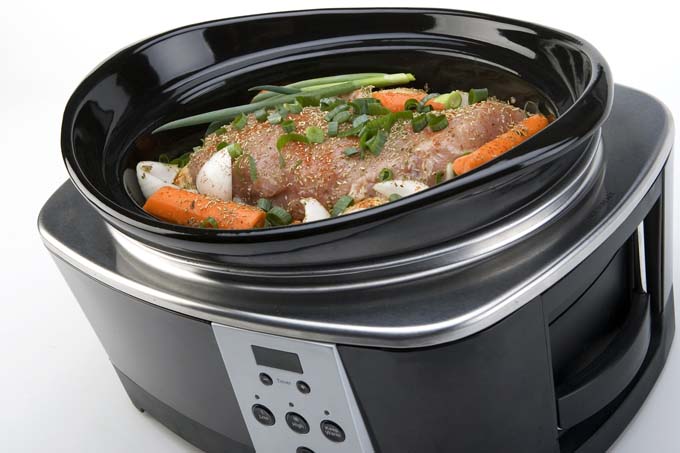
Common appliances for this style include slow cookers, Dutch ovens, pellet smokers, and even traditional ovens set to a low temperature. The method is especially popular for dishes like stews, roasts, pulled pork, and braised vegetables.
Key Advantages of Gentle, Prolonged Cooking
There are several compelling reasons why many home cooks and professionals prefer this approach. Here are some of the most notable benefits of low and slow cooking:
- Enhanced Tenderness: Slow heat breaks down collagen and connective tissue in meats, resulting in a melt-in-your-mouth texture.
- Deeper Flavor: The gradual cooking process allows flavors to meld and intensify, producing richer, more complex dishes.
- Improved Nutrition: Lower temperatures help preserve vitamins and minerals that can be lost with high-heat methods.
- Convenience: Many recipes can be prepared in advance and left to cook unattended, freeing up your time.
- Cost Savings: Tougher, less expensive cuts of meat become deliciously tender, making it easier to cook on a budget.
How Low and Slow Cooking Improves Texture and Flavor
One of the most celebrated outcomes of this method is the transformation of tough ingredients into soft, succulent bites. Collagen in meat, which can be chewy and unappetizing when cooked quickly, slowly dissolves into gelatin over hours of gentle heat. This not only tenderizes the meat but also adds a silky richness to sauces and broths.
Vegetables also benefit from this approach. Root vegetables, beans, and even some grains become creamy and flavorful without falling apart. The extended cooking time allows spices and aromatics to fully infuse the dish, creating a depth of flavor that’s hard to replicate with faster techniques.
Preserving Nutrients and Enhancing Health
Cooking at lower temperatures can help retain more nutrients compared to high-heat methods like frying or grilling. Water-soluble vitamins such as vitamin C and certain B vitamins are less likely to degrade when exposed to gentle heat. Additionally, slow cooking often requires less added fat, making it easier to prepare wholesome, balanced meals.
For those managing dietary needs, this method is particularly useful. It’s easy to control ingredients, reduce sodium, and incorporate a variety of vegetables and legumes for a nutritious, satisfying meal.

Convenience and Versatility in the Kitchen
One of the most practical benefits of low and slow cooking is the convenience it brings to busy households. Many recipes require minimal prep—just assemble the ingredients, set the temperature, and let the appliance do the work. This makes it easy to prepare meals in advance or cook in large batches for the week ahead.
Slow cookers and pellet smokers are especially versatile. They can handle everything from hearty stews to delicate desserts. With the right tools, such as a wireless meat thermometer, you can monitor doneness without lifting the lid or disturbing the cooking process.
Saving Money with Budget-Friendly Ingredients
Because this method excels at tenderizing tough cuts, it opens up a world of affordable options. Cuts like brisket, pork shoulder, and chuck roast are often less expensive than premium steaks or chops, but when cooked slowly, they become just as satisfying. The same goes for dried beans and whole grains, which become creamy and flavorful with extended cooking.
By making the most of these ingredients, you can stretch your grocery budget further without sacrificing taste or nutrition.
Tips for Getting the Most Out of Slow Cooking
- Choose the right cut: Look for well-marbled, tougher cuts of meat for best results.
- Don’t rush: Allow enough time for the process—most recipes benefit from at least 4–8 hours of gentle heat.
- Layer flavors: Add aromatics, spices, and herbs at the beginning to infuse the dish as it cooks.
- Monitor moisture: Keep the lid on to retain steam and prevent the dish from drying out.
- Use a thermometer: For meats, a wireless meat thermometer ensures food safety and perfect doneness.
Frequently Asked Questions
What types of dishes are best suited for low and slow cooking?
This method is ideal for tough cuts of meat like brisket, pork shoulder, and chuck roast, as well as stews, soups, beans, and braised vegetables. It’s also great for making stocks and broths.
Does slow cooking really preserve more nutrients?
Yes, cooking at lower temperatures helps retain water-soluble vitamins and minerals that can be lost with high-heat methods. It also often requires less added fat, supporting healthier meal preparation.
Can I use the low and slow technique with a regular oven?
Absolutely. Many ovens can be set to low temperatures for braising and roasting. Just be sure to use a heavy, covered dish to retain moisture and heat evenly throughout the cooking process.


