

When preparing meat using methods like slow cooking, roasting, or barbecuing, many home cooks wonder if turning or repositioning the meat is necessary for the best results. The question of do you need to rotate meat comes up frequently, especially for those seeking even cooking, optimal flavor, and juicy texture. This article explores when and why you might want to rotate meat, the science behind it, and practical tips for a variety of cooking methods.
Understanding the role of rotation can help you avoid common pitfalls such as uneven doneness, dry edges, or undercooked centers. Whether you're using a slow cooker, oven, grill, or smoker, knowing when to move your meat can make a noticeable difference in your final dish. We'll also touch on related topics like fuel choice and fire setup, which can impact how heat circulates and whether rotation is needed. For more on fuel selection, check out this guide on briquettes vs lump for slow cooking.
Why Rotating Meat Matters in Cooking
Rotating meat during cooking is about more than just tradition. The main reasons to turn or reposition meat are:
- Even Heat Distribution: Most ovens, grills, and smokers have hot and cool spots. Rotating helps all sides of the meat receive similar heat exposure.
- Consistent Browning: Turning meat ensures a uniform crust or bark, especially important for roasts and barbecue.
- Preventing Dryness: Some areas may cook faster and dry out if not rotated, particularly with large cuts.
- Food Safety: Ensuring all parts of the meat reach a safe internal temperature reduces the risk of undercooked sections.
However, not every cooking method requires frequent rotation. The need depends on the equipment, cut, and recipe.
Slow Cookers and the Rotation Question
Slow cookers are designed to cook food gently and evenly over several hours. Many people ask if it's necessary to turn meat in a slow cooker. In most cases, these appliances distribute heat from the sides and bottom, so the meat cooks fairly uniformly. However, there are a few scenarios where rotating can help:
- If your slow cooker is overfilled, the top may cook slower than the bottom.
- Large roasts or whole chickens may benefit from being flipped halfway through to ensure even tenderness.
- For layered dishes, such as lasagna or stacked ribs, rotating the layers can help everything cook at the same rate.

For most slow cooker recipes, especially those with plenty of liquid, you can set it and forget it. But if you notice uneven cooking or want to maximize juiciness, a single turn halfway through can be beneficial.
Oven Roasting: Should You Flip or Rotate?
When roasting meat in the oven, the heat source is typically from above and below. However, air circulation and oven design can create uneven spots. For large cuts like brisket, pork shoulder, or whole poultry, rotating the pan or flipping the meat can help achieve a uniform result.
- For roasts, rotate the pan 180 degrees halfway through the cooking time.
- For poultry, flipping is less common but can help if the breast is browning too quickly.
- Use a wireless meat thermometer to monitor internal temperature and ensure even doneness.
Some ovens have convection settings that promote more even heat, reducing the need for rotation. Still, checking and adjusting placement is a good habit, especially for long, slow cooks.
Grilling and Smoking: The Role of Turning Meat
On the grill or smoker, the need to turn or reposition meat is often greater. Direct heat from below, flare-ups, and uneven charcoal or pellet distribution can all affect cooking. Here are some key points:
- Direct Grilling: Steaks, chops, and burgers should be flipped at least once for even searing.
- Indirect Grilling or Smoking: For large cuts, rotate the meat and the grate if possible to avoid hot spots.
- Low and Slow Barbecue: Consistent rotation helps develop an even bark and prevents one side from drying out.
For more on maintaining steady temperatures and smoke, see the article on clean burning fire setup. The type of fuel you use also plays a role; learn more in this resource on how to choose charcoal for slow cooking.
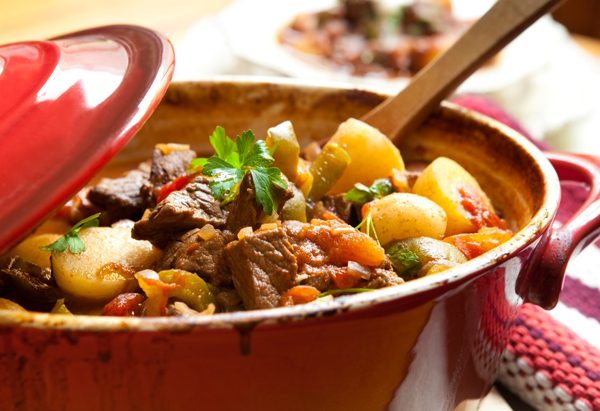
For those interested in the science and technique of slow barbecue, this guide to slow cooking and low-and-slow barbecue offers expert advice on managing heat and smoke for best results.
When You Can Skip Rotating Meat
There are situations where turning meat is unnecessary or even counterproductive:
- Braising: Meat submerged in liquid cooks evenly and does not need to be turned.
- Pressure Cooking: High-pressure environments cook food uniformly without rotation.
- Small Cuts: Cubes or strips in stews or stir-fries cook quickly and evenly without flipping.
In these cases, the surrounding liquid or steam ensures that all surfaces are exposed to heat, so rotation is not needed.
Tips for Best Results When Cooking Meat
- Use a meat thermometer to check doneness rather than relying solely on time or appearance.
- For large cuts, consider rotating or flipping halfway through the cooking process.
- Monitor your heat source and adjust placement if you notice uneven cooking.
- Let meat rest after cooking to allow juices to redistribute.
- Experiment with different fuels and setups to find what works best for your equipment and recipes.
For more on the advantages of slow barbecue at home, see the article on benefits of low and slow bbq at home. Understanding your equipment and heat source is just as important as the decision to rotate.
Common Myths About Rotating Meat
Some myths persist about turning meat during cooking. Here are a few clarified:
- Myth: Flipping meat too often dries it out. Fact: Gentle turning can help prevent burning and promote even cooking, especially on a grill.
- Myth: Never open the oven or slow cooker. Fact: Briefly opening to rotate or check temperature is fine, as long as you minimize heat loss.
- Myth: All meats need to be rotated. Fact: The need depends on the method, cut, and equipment.
For more on misconceptions, see the discussion on low and slow cooking myths.
FAQ
How often should I rotate meat in a slow cooker?
For most slow cooker recipes, rotating meat is not required. If you're cooking a large roast or whole chicken, turning it once about halfway through can help ensure even tenderness, especially if your slow cooker tends to have hot spots or is filled to capacity.
Is it necessary to flip meat when grilling indirectly?
When using indirect heat on a grill or smoker, rotating the meat and changing its position periodically helps avoid overcooking one side and promotes even smoke absorption. For best results, check every hour or so for large cuts.
Does rotating meat affect flavor or juiciness?
Proper rotation can enhance both flavor and juiciness by ensuring even exposure to heat and smoke, preventing dry spots, and promoting a uniform crust. However, excessive flipping is unnecessary—gentle, occasional turns are usually sufficient.
This article contains affiliate links. We may earn a commission at no extra cost to you.
This article contains affiliate links. We may earn a commission at no extra cost to you.
This article contains affiliate links. We may earn a commission at no extra cost to you.


