

Understanding fat rendering in bbq is essential for anyone aiming to master the art of smoked meats and grilled dishes. The process of slowly melting fat during cooking not only transforms tough cuts into tender, flavorful bites but also creates the signature juiciness and bark that barbecue enthusiasts crave. Whether you're preparing brisket, ribs, or pork shoulder, knowing how to manage fat is a fundamental skill that separates average cooks from true pitmasters.
Proper fat rendering involves more than just applying heat. It requires attention to temperature, time, and technique to ensure that the fat breaks down gradually, basting the meat and enhancing its flavor profile. If you want to achieve that perfect balance of moistness and texture, it's important to understand how fat behaves on the grill or in the smoker. For those looking to refine their barbecue technique, learning how to check doneness without cutting can also be a valuable skill, ensuring your meat is perfectly cooked without losing precious juices.
What Is Fat Rendering and Why Does It Matter?
At its core, fat rendering is the process where solid fat transforms into a liquid as it heats. In the context of barbecue, this slow melting is crucial for several reasons:
- Moisture Retention: As fat melts, it bastes the meat from within, keeping it juicy and preventing it from drying out during long cooks.
- Flavor Development: Rendered fat carries smoke and seasoning deep into the meat, enriching its overall taste.
- Texture Improvement: Proper rendering breaks down connective tissue, turning tough cuts into tender, succulent barbecue.
When fat is not rendered properly, it can leave chewy, unappetizing layers or cause flare-ups that char the exterior. On the other hand, over-rendering can result in dry, greasy meat. Striking the right balance is key to achieving barbecue perfection.
How Temperature Affects Fat Rendering in Barbecue
The temperature at which you cook plays a significant role in how fat renders. Most animal fats begin to melt between 130°F and 140°F (54°C–60°C), but the ideal range for thorough rendering in barbecue is typically between 195°F and 205°F (90°C–96°C). This is especially true for large cuts like brisket and pork shoulder, where intramuscular fat—often called marbling—needs time and gentle heat to fully break down.
Maintaining a steady, low temperature allows fat to render slowly, ensuring it seeps into the meat rather than escaping too quickly. Using a wireless meat thermometer can help you monitor internal temperatures without opening the smoker, preserving heat and smoke levels for optimal results.
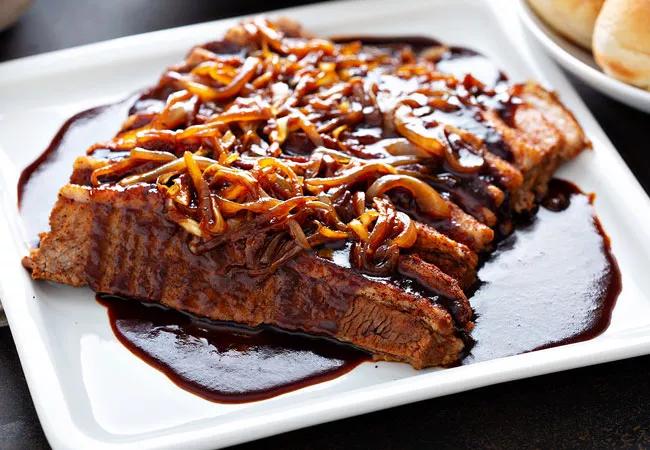
Techniques for Achieving Proper Fat Breakdown
There are several proven methods to ensure fat renders correctly during barbecue:
- Low and Slow Cooking: Keeping your smoker or grill at a consistent low temperature (225°F–250°F) allows fat to melt gradually, infusing the meat with flavor and moisture.
- Indirect Heat: Placing meat away from direct flames prevents the exterior from burning before the internal fat has a chance to render. For tips on setting up your grill for indirect cooking, see this guide to easy smoking setups.
- Trimming Excess Fat: While some fat is necessary for flavor, too much can prevent smoke penetration and lead to greasy results. Trim thick caps to about 1/4 inch for best results.
- Resting the Meat: Allowing your barbecue to rest after cooking lets rendered fat redistribute, making each bite more succulent.
Mastering these techniques will help you achieve the ideal texture and flavor in your smoked meats, making your barbecue stand out.
Common Mistakes When Rendering Fat in BBQ
Even experienced grillers can run into issues with fat rendering. Here are some common pitfalls and how to avoid them:
- Cooking Too Hot: High temperatures can cause fat to render too quickly, resulting in dry, tough meat and excessive flare-ups.
- Not Trimming Enough: Leaving thick layers of fat can prevent proper rendering and lead to unappetizing, rubbery sections.
- Skipping the Rest: Cutting into meat immediately after cooking allows juices and rendered fat to escape, reducing tenderness.
- Neglecting Wood Management: The type and amount of wood used for smoking can impact how fat renders and how flavors develop. For more on this, check out advice on how much wood to use for smoking.
By paying attention to these details, you can avoid common mistakes and consistently produce delicious barbecue with perfectly rendered fat.
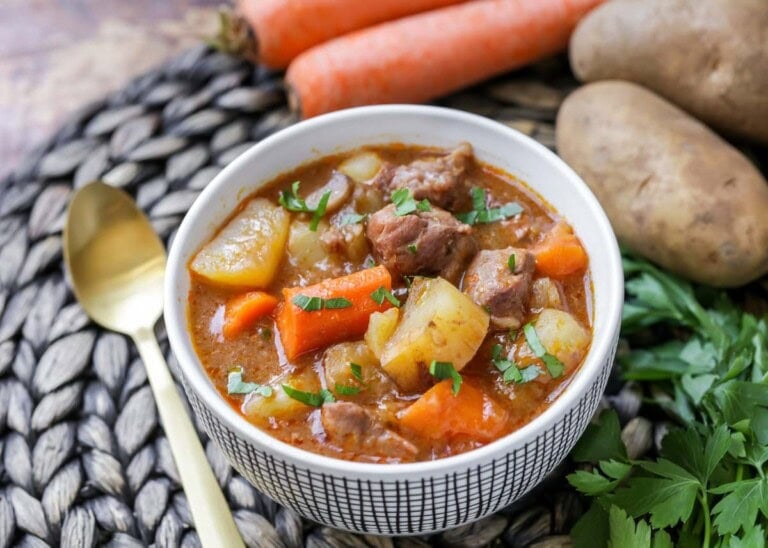
Choosing the Right Cuts and Preparing for Fat Rendering
Not all cuts of meat are created equal when it comes to rendering fat. Some, like brisket and pork butt, are prized for their marbling and connective tissue, which break down beautifully during slow cooking. Others, such as leaner cuts, may require additional care or basting to avoid dryness.
Before cooking, inspect your meat and trim any excessively thick fat caps. Look for even marbling, as this will melt and flavor the meat during the cook. For those experimenting with different smoking techniques, learning when to add wood chunks can also impact how fat renders and how smoke flavors are absorbed.
Tips for Perfect Fat Rendering Every Time
- Monitor Internal Temperature: Use a reliable thermometer to track the progress of your cook and ensure fat is melting at the right pace.
- Keep the Lid Closed: Avoid opening your grill or smoker unnecessarily, as this can cause temperature fluctuations and slow down rendering.
- Use a Water Pan: Adding moisture to your cooking environment can help regulate temperature and prevent the surface from drying out. For more on this, see advice on do you need a water pan.
- Rest Before Slicing: Allowing meat to rest for at least 20–30 minutes after cooking helps juices and rendered fat redistribute, resulting in a more flavorful and tender final product.
Frequently Asked Questions
How do I know when fat has fully rendered in barbecue?
Fully rendered fat will appear translucent and soft, rather than white and rubbery. The meat should feel tender, and juices will run clear. Using a thermometer to reach the target internal temperature (usually around 200°F for brisket or pork shoulder) is a reliable method.
Can I render fat at higher temperatures for faster results?
While higher temperatures will melt fat more quickly, this often leads to dry, tough meat and can cause flare-ups. Slow, steady heat is best for thorough rendering and optimal texture.
Is it necessary to trim all visible fat before smoking?
No, some fat is essential for flavor and moisture. However, thick caps (over 1/4 inch) should be trimmed to allow smoke penetration and prevent greasy results. Even marbling within the meat will render and enhance the final dish.
Does the type of wood used for smoking affect fat rendering?
The type of wood impacts flavor more than the rendering process itself, but wood choice can influence how smoke interacts with rendered fat. For more details, see guidance on how long does smoke last in your smoker.
Mastering the process of fat rendering is a cornerstone of great barbecue. With careful attention to temperature, technique, and meat selection, you can achieve mouthwatering results that showcase the best of smoked and grilled cuisine.


