
Unlocking a richer, more pronounced smoky taste in your barbecue or slow-cooked dishes is a goal for many home cooks and pitmasters alike. Achieving this level of flavor requires more than just tossing wood chips onto hot coals—it’s about understanding the science of smoke, choosing the right equipment and wood, and mastering your cooking technique. This guide will break down the essential steps and tips for infusing your food with a bold, complex smoky profile that stands out.
Whether you’re using a pellet grill, offset smoker, or even a slow cooker, there are proven strategies to intensify that sought-after aroma and taste. Before diving into the methods, it’s helpful to understand how smoke interacts with different cuts of meat and cooking environments. For those interested in optimizing fat rendering and bark formation, the low and slow fat cap guide offers additional insights on maximizing flavor through technique.
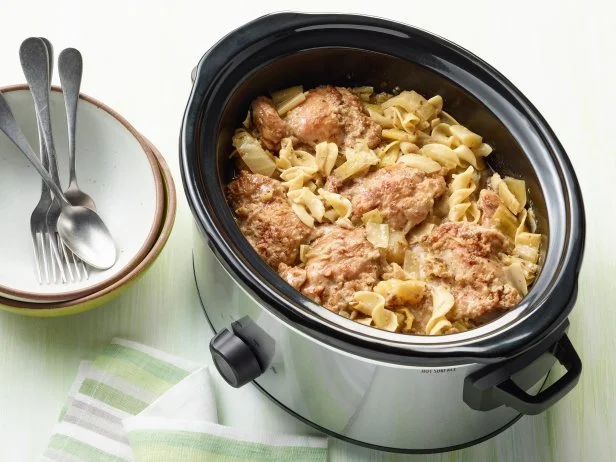
Understanding the Science Behind Richer Smoke Taste
To achieve a deeper smoke flavor, it’s important to know how smoke is created and how it penetrates food. Smoke is made up of gases, water vapor, and tiny particles released when wood combusts. The composition of smoke changes depending on the type of wood, its moisture content, and the temperature at which it burns.
When smoke interacts with the surface of meat, it deposits flavor compounds and forms the characteristic smoke ring. Low and slow cooking allows these compounds to infuse deeper into the food, while higher temperatures can cause the surface to seal too quickly, limiting absorption. Managing your fire and airflow is crucial for producing clean, flavorful smoke rather than bitter, acrid notes.
Choosing the Right Wood for Intense Smokiness
The type of wood you use plays a major role in the final taste of your barbecue. Hardwoods such as hickory, oak, and mesquite are popular for their strong, assertive flavors, while fruitwoods like apple and cherry offer a milder, sweeter profile. For a robust smoky essence, opt for seasoned hardwoods with low moisture content, as green or wet wood can produce harsh smoke.
Experimenting with different wood combinations can help you find the perfect balance for your palate. For example, blending hickory with a touch of cherry can add complexity without overpowering the meat. For more details on wood selection and quantities, refer to the how much wood to use for smoking resource.
Optimizing Your Smoker or Grill Setup
Whether you’re using an offset smoker, pellet grill, or ceramic cooker, your setup has a significant impact on smoke intensity. Offset smokers, in particular, are known for their ability to generate a steady stream of flavorful smoke. If you’re new to this style of cooking, this comprehensive guide to offset smokers covers everything from fire management to airflow control.
Key tips for maximizing smoke infusion include:
- Maintaining a consistent low temperature (typically 225–250°F) to allow smoke to penetrate gradually.
- Using a water pan to regulate humidity and prevent the meat from drying out.
- Adding wood chunks or chips at intervals for a continuous supply of fresh smoke. For advice on timing, see the when to add wood chunks article.
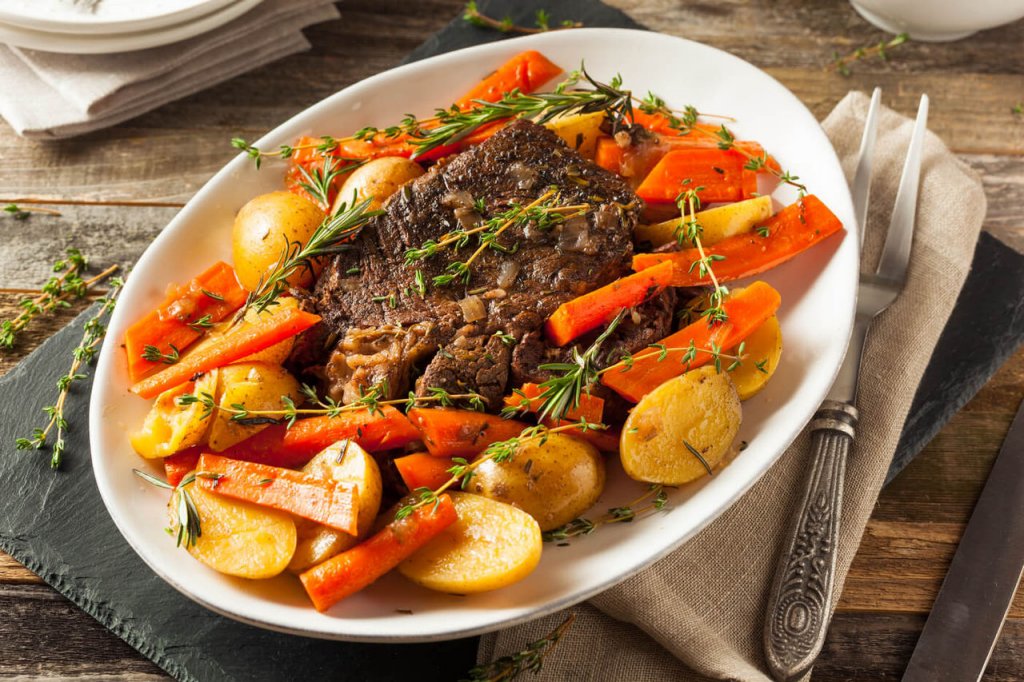
Techniques to Enhance Smoky Depth
Beyond wood and equipment, several practical techniques can help you achieve a more pronounced smoky character in your food:
- Cold Smoking: Exposing meat to smoke at lower temperatures before cooking can lay down an extra layer of flavor. This is especially effective for cheese, fish, and cured meats.
- Wrapping and Unwrapping: Wrapping meat in foil or butcher paper partway through cooking can help retain moisture, but unwrapping for the final stage allows the bark to develop and absorb more smoke.
- Surface Preparation: Applying a thin layer of oil or mustard to the surface of the meat before seasoning can help smoke adhere better, resulting in a richer flavor.
- Vent Management: Keeping the exhaust vent open ensures that stale, bitter smoke escapes, allowing fresh smoke to circulate and impart a cleaner, deeper taste.
For those looking to fine-tune their process, calibrating your thermometer is crucial for maintaining the ideal temperature range. The how to calibrate a thermometer guide walks you through this essential step.
Managing Smoke Duration and Intensity
The length of time your food is exposed to smoke directly affects its flavor profile. Too little smoke and the taste will be faint; too much and it can become overpowering or bitter. Most meats benefit from steady smoke exposure during the first half of the cook, after which the surface becomes less receptive to additional flavor.
Monitoring the color and density of the smoke is also important. Thin, blue smoke is ideal for a clean, deep flavor, while thick, white smoke can result in a harsh aftertaste. For more on this topic, see the how long does smoke last article.

Common Mistakes That Dull Smoky Results
Even experienced cooks can make missteps that prevent their food from reaching its full smoky potential. Some pitfalls to avoid include:
- Using too much wood, leading to bitter flavors.
- Allowing the fire to smolder, which produces dirty smoke.
- Cooking at temperatures that are too high, sealing the surface before smoke can penetrate.
- Neglecting to rest the meat after cooking, which can cause juices (and flavor) to escape.
By paying attention to these details and making small adjustments, you can consistently produce barbecue with a more intense, satisfying smoky essence.
Frequently Asked Questions
What’s the best type of wood for a strong smoky taste?
Hardwoods like hickory, oak, and mesquite are favored for their bold, robust flavors. Fruitwoods such as apple and cherry offer a milder, sweeter note. Blending different woods can help you fine-tune the flavor profile to your liking.
How can I avoid bitter smoke flavor?
Use seasoned, dry wood and maintain a clean-burning fire with plenty of airflow. Avoid letting wood smolder or using too much at once, as this can create thick, acrid smoke that imparts bitterness.
Does the type of meat affect smoke absorption?
Yes, larger cuts with more surface area, such as brisket or pork shoulder, absorb more smoke. Leaner meats or those with less surface area may require less smoke exposure to avoid overpowering the natural flavors.
How do I know when to add more wood during a cook?
Adding wood at regular intervals, especially during the first half of the cook, ensures a steady supply of fresh smoke. For detailed timing strategies, check out the when to add wood chunks guide.
Mastering the art of infusing your food with a pronounced smoky flavor takes practice and attention to detail. By selecting the right wood, optimizing your smoker setup, and applying proven techniques, you can elevate your barbecue and slow-cooked dishes to new heights of flavor.
This article contains affiliate links. We may earn a commission at no extra cost to you.


