
How to Keep Meat Juicy Low and Slow
Written By James Morgan
Cooking meat using low temperatures over a long period is a proven way to achieve tender, flavorful results. However, many home cooks struggle to maintain moisture, leading to dry or tough dishes. Understanding the science and best practices behind slow cooking can help you consistently serve up juicy, succulent meat—whether you’re using a smoker, oven, or slow cooker.
This guide explores the essential techniques and tips for how to keep meat juicy low and slow. From choosing the right cuts to managing temperature and moisture, you’ll learn practical steps to elevate your slow-cooked meals. For those looking to master temperature management, check out our detailed resource on how to control grill temperature for even more precision in your cooking process.
Why Low and Slow Cooking Preserves Juiciness
Slow cooking at low temperatures allows tough cuts of meat to break down gradually. The connective tissue, mainly collagen, transforms into gelatin, which helps retain moisture and creates a silky texture. Unlike high-heat methods that can quickly dry out the surface, gentle heat ensures even cooking and minimizes moisture loss.
Maintaining a steady, moderate temperature is crucial. Fluctuations can cause the meat’s muscle fibers to contract rapidly, squeezing out juices. For more on maintaining ideal heat, our low and slow temperature guide offers detailed recommendations for different meats and cooking methods.
Choosing the Right Cuts for Moist Results
Not all cuts are created equal when it comes to slow cooking. Tougher, fattier cuts are ideal because they contain more connective tissue and marbling, which break down and add flavor and moisture during long cooking times. Some top choices include:
- Beef brisket – Known for its rich flavor and high collagen content.
- Pork shoulder (Boston butt) – Marbled and perfect for pulled pork.
- Lamb shanks – Full of connective tissue that turns tender and juicy.
- Chicken thighs – Higher fat content than breasts, making them less likely to dry out.
Lean cuts like chicken breast or pork loin can be used, but they require extra care to avoid dryness. Using a marinade or brine can help boost moisture retention for these cuts.
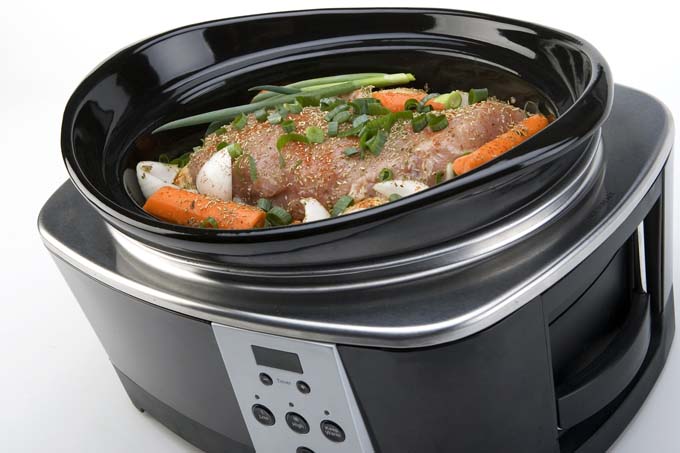
Temperature Control: The Key to Moisture Retention
Consistent temperature is the backbone of juicy, slow-cooked meat. Aim for a range of 200°F to 250°F (93°C to 121°C) for most low and slow recipes. This gentle heat lets the meat cook evenly and gives collagen time to dissolve without drying out the muscle fibers.
Using a reliable thermometer is essential. A wireless meat thermometer allows you to monitor internal temperatures without opening the lid, which helps keep heat and moisture inside. For smokers and grills, learning how to stabilize smoker temperature is invaluable for consistent results.
For those interested in offset smokers and advanced techniques, this guide to low and slow BBQ perfection with offset smokers offers expert advice on managing fire and airflow for optimal moisture retention.
Moisture Management: Basting, Spritzing, and Wrapping
Even with the right cut and temperature, extra steps can help lock in juices:
- Basting: Regularly spooning pan juices or marinade over the meat keeps the surface moist and adds flavor.
- Spritzing: Spraying the meat with a mixture of water, apple juice, or vinegar helps maintain humidity and prevents drying, especially during long smokes.
- Wrapping: Once the meat reaches a certain color or “bark,” wrapping it in foil or butcher paper (the “Texas Crutch”) traps steam and accelerates cooking while preserving moisture.
These techniques are especially useful for large cuts that spend hours in the smoker or oven. For more practical tips, our article on low and slow smoking tips provides further insights into keeping meat moist during extended cooks.

Resting: The Final Step for Juicy Results
After hours of slow cooking, it’s tempting to slice into your roast right away. However, letting meat rest is critical. Resting allows juices to redistribute throughout the meat instead of spilling out onto the cutting board. For large cuts, a rest of 20–30 minutes (loosely tented with foil) is ideal. Smaller cuts benefit from at least 5–10 minutes.
Skipping this step can undo all your careful work, so be patient for the best texture and flavor.
Flavor Boosters: Marinades, Brines, and Rubs
Adding flavor and moisture before cooking can make a big difference. Here’s how each method helps:
- Marinades: Acidic ingredients like vinegar, citrus, or yogurt help tenderize and add flavor. Oil in the marinade locks in moisture.
- Brines: Soaking meat in a saltwater solution increases its ability to retain water during cooking, especially for lean cuts.
- Dry rubs: A mix of salt, sugar, and spices creates a flavorful crust that helps seal in juices.
Experiment with different combinations to find what works best for your favorite meats and recipes.
Wood and Smoke: Enhancing Juiciness and Taste
For those using smokers or grills, the type of wood and smoke management can impact both flavor and moisture. Larger wood chunks burn longer and steadier than chips, providing a more consistent environment. For a deeper look at this topic, see our article on wood chunks vs chips for smoking.
Maintaining humidity inside the smoker—by placing a water pan near the heat source—can also help keep meat from drying out during long cooks.
Common Mistakes to Avoid
- Cooking at too high a temperature, which dries out meat quickly.
- Using lean cuts without brining or marinating.
- Skipping the resting period after cooking.
- Opening the lid or oven door too often, causing heat and moisture loss.
- Not monitoring internal temperature with a reliable thermometer.
By avoiding these pitfalls, you’ll improve your chances of serving juicy, flavorful meat every time.
FAQ
What is the best temperature range for slow cooking meat to keep it juicy?
For most cuts, maintaining a temperature between 200°F and 250°F (93°C to 121°C) is ideal. This range allows collagen to break down without drying out the meat. Always use a thermometer to monitor both the cooking environment and the internal temperature of the meat for best results.
How can I prevent my meat from drying out in a slow cooker?
Choose cuts with higher fat content or connective tissue, add enough liquid to the pot, and avoid lifting the lid unnecessarily. Basting or turning the meat occasionally can also help distribute juices. Letting the meat rest after cooking is essential for moisture retention.
Is it necessary to wrap meat during low and slow cooking?
Wrapping, often called the “Texas Crutch,” is not mandatory but can help retain moisture and speed up cooking once the meat reaches a certain stage. It’s especially useful for large cuts like brisket or pork shoulder. Use foil or butcher paper to trap steam and keep the meat juicy.


