

Mastering the art of slicing brisket is essential for anyone who wants to serve tender, juicy, and visually appealing barbecue. Whether you've smoked your brisket low and slow or braised it in the oven, the way you cut this flavorful cut of beef can make a significant difference in texture and taste. In this guide, you'll learn the best techniques, tools, and tips for carving brisket like a pro, ensuring every slice is as delicious as possible.
Proper slicing isn't just about presentation—it's about maximizing tenderness and making the most of your hard work. Understanding the grain, using the right knife, and knowing when to slice are all crucial steps. If you're interested in other barbecue techniques, you might also find value in our guide on pulling smoked pork correctly, which covers similar principles for another classic BBQ favorite.
Why Slicing Technique Matters for Brisket
Brisket is a tough cut of meat with long muscle fibers and a significant amount of connective tissue. When cooked properly, these fibers break down and become tender. However, if you slice with the grain instead of against it, the meat can end up chewy and difficult to eat. Cutting across the grain shortens the muscle fibers, resulting in slices that are much easier to chew and enjoy.
Additionally, the way brisket is carved can affect how well it holds together and how juicy each piece remains. Slicing too soon or using the wrong tools can cause the juices to run out, leaving the meat dry. Paying attention to these details ensures your brisket is as flavorful and tender as possible.
Essential Tools for Carving Brisket
Before you begin, gather the right equipment. The most important tool is a sharp, long-bladed slicing knife—preferably one with a granton (dimpled) edge to help prevent sticking. A sturdy cutting board with grooves to catch juices is also helpful. For best results, consider using a wireless meat thermometer to monitor internal temperature and ensure the brisket is perfectly cooked before slicing.
- Slicing knife: 10-14 inches, sharp, with a thin blade
- Cutting board: Large enough to hold the brisket, with juice grooves
- Tongs: For steadying the meat
- Paper towels: To blot excess moisture
Resting Brisket Before Slicing
One of the most important steps is letting your brisket rest after cooking. Resting allows the juices to redistribute throughout the meat, making each slice moist and flavorful. Skipping this step can result in dry, crumbly brisket.
Wrap the cooked brisket in butcher paper or foil and let it rest in a cooler or warm oven for at least 30 minutes, but ideally up to 2 hours. This patience pays off with a juicier final product.
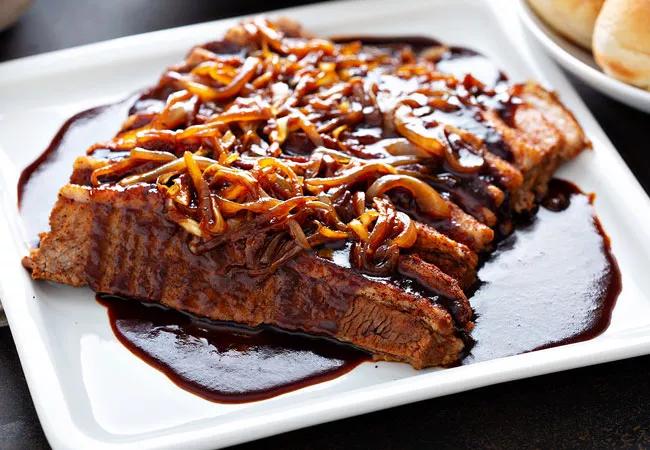
Understanding the Grain: The Key to Tender Slices
Every brisket has a visible grain, which refers to the direction the muscle fibers run. For the most tender results, always slice perpendicular to these fibers. Brisket is made up of two main muscles: the flat and the point. The grain runs in different directions in each section, so you'll need to adjust your slicing technique as you move from one part to the other.
To identify the grain, look for the lines running across the surface of the meat. If you're unsure, cut a small corner off before slicing the whole brisket to check the direction. This step is crucial for achieving slices that are easy to chew and full of flavor.
Step-by-Step Guide to Slicing Brisket
- Let it rest: As mentioned, allow the brisket to rest for at least 30 minutes after cooking.
- Trim excess fat: Remove any large pieces of fat from the surface, but leave a thin layer for flavor.
- Separate the flat and point: If desired, you can separate the two muscles for easier slicing. The flat is leaner and slices more uniformly, while the point is fattier and more marbled.
- Slice against the grain: Start with the flat. Cut perpendicular to the grain in smooth, even strokes. Aim for slices about 1/4 inch thick for sandwiches or up to 1/2 inch for plated servings.
- Adjust for the point: When you reach the point, note that the grain changes direction. Rotate the meat as needed and continue slicing against the grain.
- Serve immediately: Arrange slices on a platter, keeping them close together to retain heat and moisture.
Common Mistakes When Carving Brisket
Even experienced pitmasters can make mistakes when it comes to slicing. Here are a few pitfalls to avoid:
- Slicing with the grain: This results in tough, stringy meat.
- Cutting too soon: Not letting the brisket rest can cause juices to escape.
- Using a dull knife: A sharp blade is essential for clean, even slices.
- Making slices too thick or thin: Uniform slices ensure even texture and presentation.

Serving Suggestions and Storage Tips
Once your brisket is perfectly sliced, serve it immediately for the best texture and flavor. If you have leftovers, wrap them tightly in foil or butcher paper and refrigerate. Sliced brisket can be reheated gently in the oven or in a covered pan with a splash of broth to keep it moist.
Brisket is delicious on its own, in sandwiches, or as part of a hearty stew. For more creative ways to enjoy your barbecue, explore techniques like the Dhungar method for adding smoky flavor to your dishes.
Advanced Tips for Perfect Brisket Slices
For those looking to refine their technique, here are a few expert tips:
- Keep your knife clean: Wipe the blade between cuts to ensure smooth slices.
- Use gentle pressure: Let the sharpness of the knife do the work, avoiding sawing motions.
- Maintain even thickness: Consistent slices help with presentation and portion control.
- Experiment with serving temperatures: Some prefer brisket warm, while others enjoy it at room temperature for a firmer texture.
If you're interested in optimizing your grilling setup, check out our advice on how to extend burn time in grill for longer, more efficient cooks.
Frequently Asked Questions
How do I know which way the grain runs in brisket?
Look for the lines or striations on the surface of the meat. These indicate the direction of the muscle fibers. Always slice perpendicular to these lines for tender results. If you're unsure, cut a small piece from the edge to check the grain before slicing the entire brisket.
Should I separate the flat and point before slicing?
It's a matter of preference. Some people find it easier to separate the two muscles, as the grain runs in different directions. This allows you to slice each section against the grain more easily. Others prefer to keep the brisket whole for presentation and slice as they go.
What is the best thickness for brisket slices?
For most uses, slices about 1/4 inch thick are ideal. This thickness provides a good balance of tenderness and structure, making the brisket easy to eat whether served on a platter or in sandwiches. Adjust thickness based on your preference and the dish you're preparing.
Can I slice brisket ahead of time?
It's best to slice brisket just before serving to retain moisture and flavor. If you need to slice in advance, keep the slices tightly wrapped and reheat gently with a bit of broth or pan juices to prevent drying out.
Conclusion
Carving brisket the right way is a skill that elevates your barbecue from good to great. By understanding the grain, using the right tools, and following a few key steps, you can ensure every bite is tender, juicy, and full of flavor. For more barbecue tips and techniques, explore our articles on steam effect in wrapped BBQ and when to flip meat in low and slow for even more ways to improve your grilling game.
This article contains affiliate links. We may earn a commission at no extra cost to you.
This article contains affiliate links. We may earn a commission at no extra cost to you.
This article contains affiliate links. We may earn a commission at no extra cost to you.


