

Cooking chicken using low and slow chicken techniques is a time-honored approach that delivers tender, juicy, and flavorful results. Whether you’re using a smoker, grill, or slow cooker, this method allows the meat to gently break down, resulting in a texture and taste that’s hard to achieve with high-heat methods. This guide explores the essential methods, tips, and science behind slow-cooking poultry, so you can master the art of succulent chicken at home.
Understanding the principles of gentle heat and extended cooking time is key to unlocking the full potential of your chicken dishes. By embracing these strategies, you’ll not only enhance the flavor and tenderness but also reduce the risk of overcooking or drying out the meat. For those interested in the science behind meat preparation, you might also find value in learning about collagen breakdown in meat, which plays a significant role in the texture of slow-cooked chicken.
Why Choose Gentle Cooking for Poultry?
Traditional high-heat methods can quickly dry out chicken, especially lean cuts like breast meat. In contrast, low and slow chicken techniques allow the connective tissue and collagen to gradually break down, resulting in moist, fall-off-the-bone meat. This approach is especially effective for tougher cuts, such as thighs, drumsticks, and even whole birds.
Beyond texture, slow cooking enhances the depth of flavor. The extended cooking time gives spices, marinades, and smoke more opportunity to infuse the meat, creating a richer and more complex taste profile. For those who enjoy experimenting with different woods and rubs, this method provides a perfect canvas.
Essential Equipment for Slow-Cooking Chicken
While you can achieve excellent results with basic kitchen tools, certain equipment can make the process easier and more consistent:
- Slow Cooker: Ideal for set-it-and-forget-it meals, perfect for shredded chicken or stews.
- Pellet Smoker or Grill: Provides steady, indirect heat and infuses chicken with smoky flavor.
- Oven: A reliable option for roasting at low temperatures over several hours.
- Wireless Meat Thermometer: Ensures precise temperature control, preventing overcooking.
Investing in the right tools can help you achieve consistent results and make the process more enjoyable.
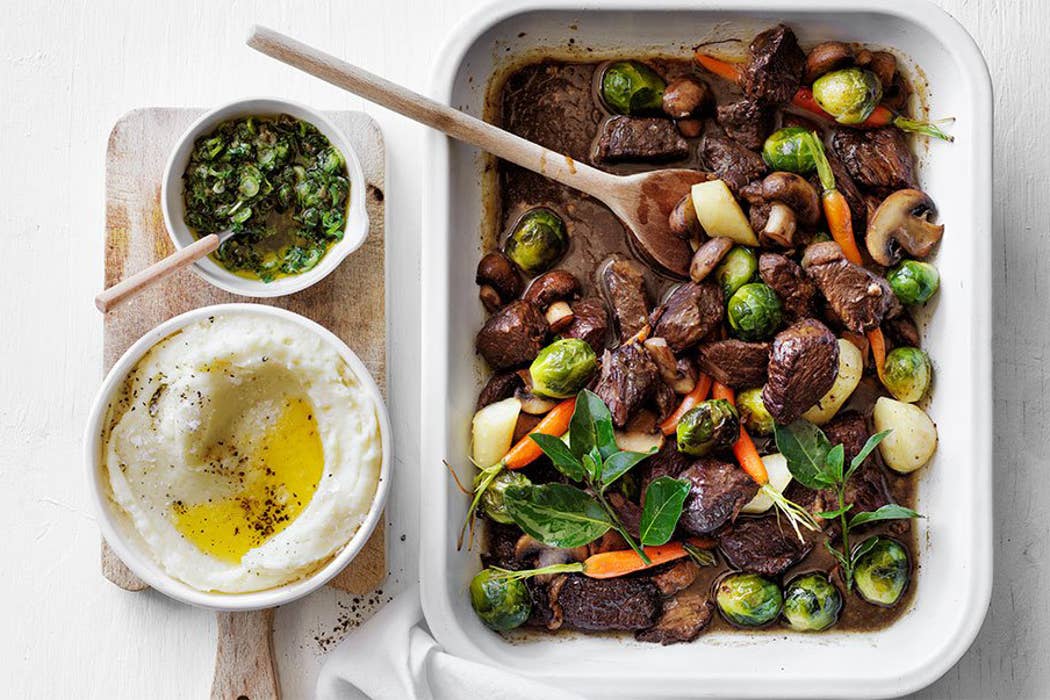
Popular Methods for Slow-Cooking Chicken
There are several approaches to achieving tender, flavorful chicken using low-temperature, extended-time cooking. Here are some of the most effective:
Smoking Chicken Over Indirect Heat
Using a smoker or grill set up for indirect heat is a classic way to prepare poultry. Keep the temperature between 225°F and 275°F, and allow the chicken to cook slowly, absorbing smoke and developing a beautiful bark on the outside. This method is perfect for whole birds, thighs, or wings. For tips on managing moisture and smoke, you might be interested in learning about foil vs butcher paper in smoking.
Slow Cooker Chicken
For convenience, the slow cooker is hard to beat. Simply add your chicken, seasonings, and a bit of liquid, then cook on low for 4–8 hours depending on the cut and quantity. This hands-off approach is ideal for making shredded chicken for tacos, soups, or casseroles.
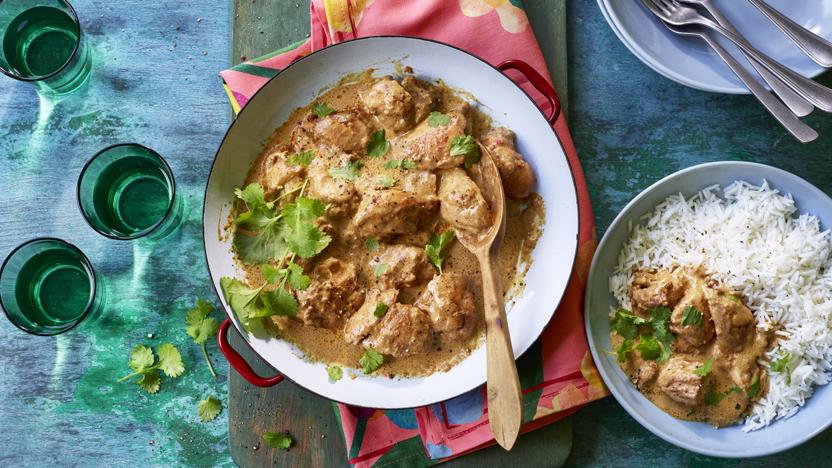
Oven Roasting at Low Temperatures
Roasting chicken in the oven at 250°F–300°F allows for even cooking and juicy results. Covering the dish with foil or a lid can help retain moisture, especially for boneless, skinless cuts. For a crispier skin, remove the cover for the last 20–30 minutes.
Tips for Mastering Gentle Chicken Preparation
- Use a Meat Thermometer: Always check for doneness. Chicken is safe at 165°F, but dark meat benefits from reaching 175°F–190°F for optimal tenderness.
- Don’t Rush the Process: Allow enough time for the connective tissue to break down. Rushing can result in tough, chewy meat.
- Keep Moisture In: Add broth, marinade, or even a bit of water to prevent drying out, especially in the oven or slow cooker.
- Rest Before Serving: Let the chicken rest for 10–15 minutes after cooking to redistribute juices, as explained in this helpful meat resting guide.
The Science Behind Tender Chicken
Slow-cooking methods work by gradually breaking down collagen and connective tissues in the meat. As these components dissolve, they turn into gelatin, which gives the chicken a silky, moist texture. This process is similar to what happens when cooking brisket or pork shoulder, and is discussed in detail in resources like brisket stall explained.
Maintaining a steady, low temperature is crucial. Fluctuations can cause uneven cooking and affect the final texture. Using a wireless thermometer helps monitor internal temperatures without opening the cooker or oven, preserving heat and moisture.
Flavoring and Seasoning Approaches
One of the advantages of slow-cooking is the opportunity to layer flavors. Here are some ideas:
- Dry Rubs: Apply a blend of spices and let the chicken sit overnight for deeper flavor penetration.
- Marinades: Acidic marinades (with lemon juice or vinegar) can help tenderize the meat further.
- Smoking Woods: Experiment with different woods like hickory, apple, or cherry for unique flavor profiles.
- Herbs and Aromatics: Add fresh herbs, garlic, or onions to the cooking liquid for added complexity.
For more insights on how smoke interacts with meat, check out this article on smoke ring formation.
Common Mistakes to Avoid
- Overcooking: Even at low temperatures, leaving chicken for too long can dry it out. Monitor internal temperature closely.
- Not Using Enough Liquid: Especially in slow cookers and ovens, a lack of moisture can result in tough meat.
- Skipping the Rest: Cutting into chicken immediately after cooking lets juices escape, leading to dryness.
- Inconsistent Temperatures: Avoid opening the lid or door too often, as this can cause heat loss and uneven results.
Further Reading and Resources
For a deeper dive into when and why to use gentle heat for meat, see this comprehensive guide from ThermoWorks: meat-cooking 101: when to cook low and slow.
Frequently Asked Questions
How long does it take to cook chicken using slow methods?
The time depends on the cut and method. Whole chickens may take 4–5 hours at 250°F in a smoker or oven, while thighs and drumsticks can be ready in 2–3 hours. In a slow cooker, boneless breasts or thighs typically need 4–6 hours on low.
Is it safe to cook chicken at low temperatures?
Yes, as long as the internal temperature reaches at least 165°F. Using a meat thermometer ensures safety and optimal texture.
What are the best cuts of chicken for slow-cooking?
Dark meat cuts like thighs, drumsticks, and whole legs are ideal, as they contain more connective tissue and fat. However, breasts can also be cooked slowly with added moisture to prevent drying out.


