

Mastering the art of low and slow cooking can transform everyday meals into tender, flavorful dishes that impress family and friends alike. This approach, which involves cooking food at lower temperatures for extended periods, is favored by home cooks and professional chefs for its ability to coax out deep flavors and achieve melt-in-your-mouth textures. Whether you’re using a slow cooker, smoker, oven, or stovetop, understanding the fundamentals of this technique is key to unlocking its full potential.
In this comprehensive guide, we’ll explore the science behind slow cooking, essential equipment, best practices, and tips for getting the most out of your ingredients. You’ll also discover how to enhance smoky flavors using methods like the Dhungar technique for smoky ghee, which adds a unique depth to your dishes. Whether you’re a beginner or looking to refine your skills, this resource will help you achieve delicious results every time.
If you’re interested in more cooking tips and techniques, be sure to check out other articles in our Blogs section for additional resources and inspiration.
Understanding the Low and Slow Cooking Method
At its core, low and slow cooking is about patience and precision. By applying gentle heat over a longer period, tough cuts of meat become tender, connective tissues break down, and flavors meld beautifully. This technique is ideal for braises, stews, barbecue, and even some desserts. The process works by allowing time for collagen in meat to convert to gelatin, resulting in a moist and succulent texture.
Common appliances used for this method include slow cookers, Dutch ovens, pellet smokers, and even conventional ovens set to low temperatures. Each tool brings its own advantages, but the guiding principle remains the same: cook at a low temperature (usually between 180°F and 300°F) for several hours.
Essential Equipment for Slow Cooking Success
Having the right tools can make a significant difference in your results. Here are some essentials for anyone looking to embrace this cooking style:
- Slow Cooker: Perfect for set-it-and-forget-it meals like soups, stews, and casseroles.
- Pellet Smoker or Grill: Adds a smoky flavor to meats and vegetables while maintaining low, consistent heat.
- Dutch Oven: Versatile for both stovetop and oven use, ideal for braising and roasting.
- Wireless Meat Thermometer: Ensures precise doneness without repeatedly opening the lid or oven door.

Choosing the Best Ingredients for Slow Cooking
Selecting the right ingredients is crucial for maximizing flavor and texture. Tougher cuts of meat, such as brisket, pork shoulder, chuck roast, and short ribs, are ideal because they contain more connective tissue that benefits from prolonged cooking. Root vegetables like carrots, potatoes, and parsnips hold up well and absorb surrounding flavors.
Beans and legumes also thrive in these conditions, becoming creamy without falling apart. When it comes to seasoning, don’t be afraid to use robust herbs and spices—slow cooking mellows their intensity, allowing for complex, layered flavors.
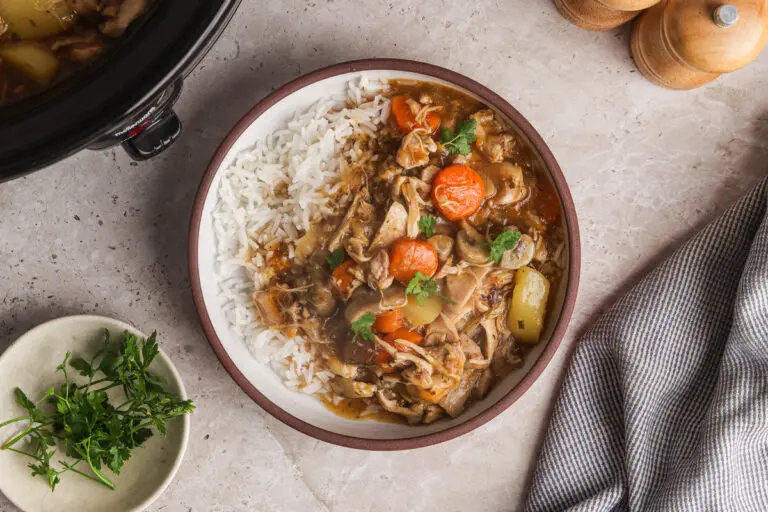
Tips for Perfecting Your Low and Slow Recipes
To get the most out of your slow-cooked meals, keep these practical tips in mind:
- Don’t Rush the Process: Allow enough time for tough cuts to break down fully. Resist the urge to increase the temperature to speed things up.
- Layer Flavors: Sear meats and sauté aromatics before slow cooking to develop deeper flavors.
- Monitor Liquid Levels: Slow cooking reduces evaporation, so use less liquid than you would for stovetop recipes. Check occasionally to ensure nothing dries out.
- Use a Thermometer: For meats, a wireless thermometer helps you track internal temperatures without losing heat by opening the lid.
- Finish with Freshness: Add fresh herbs, citrus zest, or a splash of vinegar at the end to brighten up rich, slow-cooked dishes.
Adding Smoky Flavors to Slow-Cooked Dishes
One of the joys of slow cooking is the ability to infuse dishes with smoky aromas. Using a pellet smoker or grill is a classic approach, but there are other creative ways to introduce smoke. The Dhungar method, for example, involves placing a piece of hot charcoal in a bowl, pouring ghee over it, and capturing the smoke in a sealed container with your food. This technique is especially popular in Indian cuisine and can be used to finish stews, curries, or even vegetables.
For those without access to a smoker, smoked salts, smoked paprika, or liquid smoke can add depth. Always use these ingredients sparingly to avoid overpowering the dish.
Common Mistakes to Avoid in Low and Slow Cooking
While this method is forgiving, there are a few pitfalls to watch out for:
- Overcrowding the Pot: Give ingredients enough space for heat and liquid to circulate.
- Using Too Much Liquid: Excess liquid can dilute flavors and prevent browning. Start with less and add more if needed.
- Skipping the Sear: Browning meat and vegetables first adds complexity and color to your finished dish.
- Not Checking for Doneness: Every cut and appliance is different. Use a thermometer and taste test before serving.
Frequently Asked Questions
What types of meat are best for slow cooking?
Tougher, fattier cuts such as beef chuck, pork shoulder, brisket, and lamb shanks are ideal. These cuts break down over time, resulting in tender, juicy dishes.
Can I use a slow cooker for vegetarian recipes?
Absolutely. Beans, lentils, root vegetables, and hearty greens all benefit from gentle, prolonged cooking. Slow cookers are great for vegetarian stews, curries, and casseroles.
How do I prevent my food from becoming mushy?
Avoid overcooking delicate ingredients like zucchini or peas by adding them toward the end of the cooking time. Monitor doneness and use firmer vegetables for best results.
Conclusion
Embracing the low and slow approach opens up a world of culinary possibilities. With the right equipment, quality ingredients, and a bit of patience, you can achieve restaurant-quality results at home. Experiment with different cuts, flavors, and techniques to find what works best for your taste and schedule. Remember, the key is to let time and gentle heat do the work—rewarding you with meals that are rich, satisfying, and full of character.


