

Slow cooking has become a staple in kitchens and backyards, promising tender results and deep flavors. But as more people embrace this method, a number of misconceptions have taken root. Understanding the realities behind these low and slow cooking myths can help you achieve better results, whether you’re using a smoker, a slow cooker, or your oven. In this article, we’ll explore the most common misunderstandings, separate fact from fiction, and offer practical advice to improve your slow-cooked dishes.
Before diving into the most persistent myths, it’s worth noting that the type of fuel you use can impact your results. For example, choosing between briquettes vs lump for slow cooking can affect both flavor and temperature control. Making informed choices at every step helps you get the most from your slow-cooked meals.
Debunking Common Misconceptions About Slow Cooking
Many home cooks and grill enthusiasts believe that low and slow is a foolproof method. While it’s true that gentle heat can transform tough cuts into tender masterpieces, several myths persist that can lead to disappointing results. Let’s break down the most common misunderstandings.
Myth 1: Lower Temperatures Always Mean Better Results
One of the most widespread low and slow cooking myths is that the lower the temperature, the better the outcome. While gentle heat is essential for breaking down collagen in tougher cuts, going too low can actually cause problems. Food may spend too long in the “danger zone” (40°F–140°F), where bacteria thrive. For safety and quality, it’s important to keep your cooker above 200°F for meats, unless you’re cold smoking or using specialized techniques.
Additionally, some ingredients—like vegetables—can become mushy or lose flavor if cooked too slowly. Adjust your temperature based on what you’re preparing, and always use a reliable thermometer to monitor internal temperatures.
Myth 2: All Meats Benefit Equally from Slow Cooking
Not every cut of meat is suited for extended, gentle heat. While brisket, pork shoulder, and ribs thrive with this approach, lean cuts like chicken breast or pork loin can dry out or become stringy. For these, a quicker cook at a slightly higher temperature preserves moisture and texture.
Experimenting with different proteins and understanding their unique needs will help you avoid disappointment. For more on specialty slow-cooked foods, see our guide to smoking cheese at low temperature.
Myth 3: Smoke Flavor Only Comes from Wood
Many believe that true smoke flavor requires a wood fire. While wood chips and chunks are classic, there are other ways to infuse smoky notes. Modern pellet grills, smoking salts, and even certain spices can add depth. For creative ideas, check out these five ways to add smoke flavor to your cooking.
Don’t overlook options like smoked salt or smoked paprika, which can boost flavor in slow-cooked dishes without firing up a smoker. You can also learn more about smoking salt at home for a DIY approach.
Slow Cooking: Separating Fact from Fiction
Let’s look at a few more beliefs that deserve a closer look. Understanding the science and practice behind these ideas will help you get the most from your slow-cooked meals.
Myth 4: You Can “Set and Forget” Every Recipe
While slow cookers and smokers are designed for convenience, not all recipes are truly hands-off. Some dishes require stirring, basting, or adding ingredients at different stages. For example, adding delicate vegetables or herbs too early can result in overcooked or faded flavors. Monitoring liquid levels is also important to prevent burning or drying out.
Using a wireless meat thermometer can help you track internal temperatures without lifting the lid, ensuring food safety and perfect doneness every time.
Myth 5: All Smokers and Cookers Hold Temperature Perfectly
Temperature stability is crucial for successful slow cooking, but not all equipment is created equal. Factors like outdoor temperature, wind, and fuel type can cause fluctuations. Investing in a quality smoker or grill with good insulation helps, but regular checks are still necessary. For tips on maintaining consistent heat, see our article on how to keep your grill lit during long cooks.
Myth 6: Slow Cooking Is Just for Meat
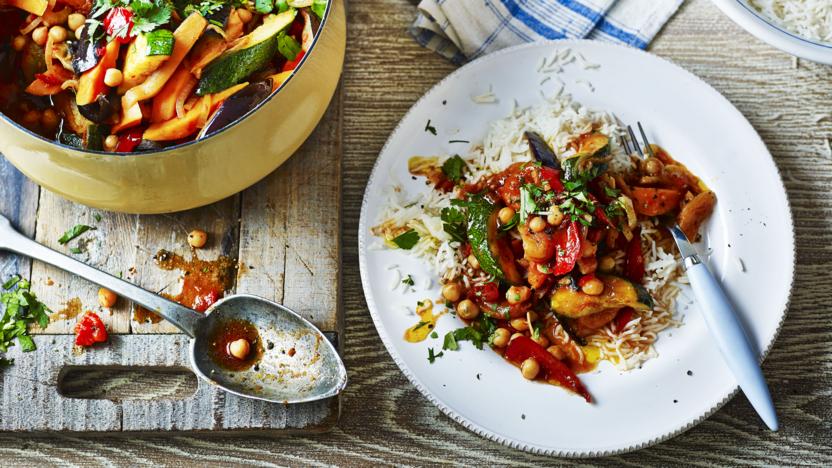
While barbecue classics like brisket and ribs get most of the attention, slow cooking is also fantastic for vegetables, beans, and even desserts. Dishes like vegetable tagine, stews, and smoked nuts benefit from gentle heat and extended cooking times. For inspiration, explore our guide to smoking nuts low and slow.
Tips for Better Results When Cooking Low and Slow
- Choose the right cut: Tough, fatty cuts like brisket, pork shoulder, and short ribs are ideal for slow cooking.
- Monitor temperature: Use a reliable thermometer to ensure food stays in the safe zone and reaches the desired doneness.
- Don’t overcrowd: Leave space around food for even heat circulation, especially in smokers and slow cookers.
- Layer flavors: Use rubs, marinades, and smoke to build complexity. Add delicate ingredients later in the cook.
- Rest your meat: Allow cooked meats to rest before slicing to retain juices and improve texture.
Frequently Asked Questions
Is it safe to cook meat at very low temperatures for a long time?
Cooking meat at low temperatures is safe as long as the internal temperature rises above 140°F within a reasonable time frame. Always use a thermometer to check doneness and avoid the “danger zone” where bacteria can multiply.
Can I use slow cooking techniques for vegetables and plant-based dishes?
Absolutely. Many vegetables, legumes, and grains benefit from gentle, extended heat. However, some delicate vegetables may become too soft if cooked for too long, so add them later in the process or use heartier varieties.
How can I add more smoke flavor without a traditional smoker?
There are several ways to boost smoky notes in your food. Try using smoked salt, smoked paprika, or a pellet grill. For more creative ideas, see these tips for adding smoke flavor to your dishes.
Conclusion
Understanding the realities behind low and slow cooking myths can help you make better choices in the kitchen or at the grill. By recognizing which beliefs are outdated and which practices are essential, you can enjoy tastier, safer, and more satisfying results every time you cook. Whether you’re a barbecue enthusiast or a home cook experimenting with new recipes, staying informed is the key to mastering the art of slow cooking.
This article contains affiliate links. We may earn a commission at no extra cost to you.
This article contains affiliate links. We may earn a commission at no extra cost to you.
This article contains affiliate links. We may earn a commission at no extra cost to you.


