

Mastering the art of low and slow cooking tips can transform tough cuts of meat into tender, flavorful dishes and elevate your home cooking. This approach is all about patience, gentle heat, and allowing time for flavors to develop. Whether you’re using a smoker, slow cooker, or oven, understanding the principles behind this method will help you achieve consistently delicious results.
For those interested in exploring more about this technique, you might find the guide on what is low and slow cooking helpful. It covers the fundamentals and history behind this beloved cooking style.
Understanding the Low and Slow Method
Cooking with low heat over an extended period is a time-tested way to break down connective tissues in meat, resulting in dishes that are both juicy and tender. This technique is especially popular for barbecue, braises, and stews. The key is to maintain a steady temperature, usually between 200°F and 275°F (93°C to 135°C), and to resist the urge to rush the process.
Using this approach, you can prepare everything from pulled pork to brisket, and even vegetables benefit from the slow infusion of flavors. For detailed advice on smoking specifically, check out these low and slow smoking tips for even more specialized guidance.
Essential Equipment for Gentle Cooking
Having the right tools can make a significant difference in your results. Here are some essentials for anyone looking to perfect their slow-cooking technique:
- Slow Cooker or Crockpot: Ideal for set-and-forget meals, these appliances maintain a consistent low temperature.
- Smoker or Pellet Grill: Perfect for barbecue enthusiasts who want to infuse smoky flavors over several hours.
- Oven: A standard oven can be used for braising and roasting at low temperatures.
- Wireless Meat Thermometer: Monitoring internal temperature is crucial for food safety and achieving the perfect doneness.
For those considering upgrading their equipment, a pellet smoker grill can be a game changer for outdoor cooking, while a wireless meat thermometer ensures you never overcook or undercook your food.
Choosing the Right Cuts and Ingredients
Not all ingredients respond the same way to gentle heat. Here’s what to look for:
- Tough Cuts of Meat: Brisket, pork shoulder, chuck roast, and short ribs are ideal because the slow process breaks down collagen, resulting in a melt-in-your-mouth texture.
- Bone-In Pieces: Bones add flavor and help keep meat moist during long cooking times.
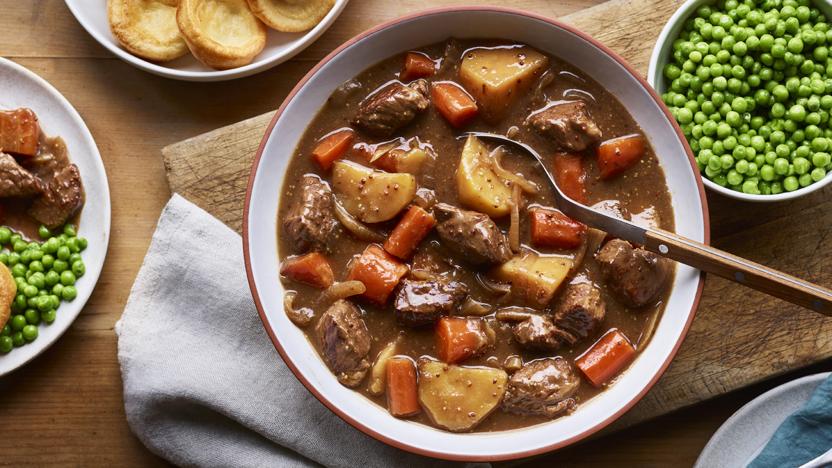
- Root Vegetables: Carrots, potatoes, and parsnips absorb flavors and become wonderfully tender.
- Legumes: Beans and lentils cook evenly and develop a creamy consistency.
Marinating or seasoning your ingredients in advance can enhance the depth of flavor. Don’t forget to use enough liquid—broth, wine, or even water—to prevent drying out during the long cook.
Temperature Control and Monitoring
One of the most important low and slow cooking tips is maintaining a consistent temperature throughout the process. Fluctuations can lead to uneven cooking or dry results. Here’s how to keep things steady:
- Use a Reliable Thermometer: Invest in a wireless meat thermometer to monitor both the cooking environment and the internal temperature of your food without opening the lid or oven door.
- Preheat Your Equipment: Allow your smoker, oven, or slow cooker to reach the desired temperature before adding your ingredients.
- Minimize Opening the Lid: Every time you check on your food, heat escapes and extends the cooking time.
For more hands-on advice, you can read about how to cook low and slow for step-by-step instructions and troubleshooting common issues.
Patience Pays Off: Timing and Resting
Cooking at a gentle pace requires patience. Rushing the process can result in tough, dry meat or underdeveloped flavors. Here are some timing guidelines:
- Plan Ahead: Large cuts of meat may take 8–12 hours or more. Start early to ensure your meal is ready when you want it.
- Rest After Cooking: Letting meat rest for 15–30 minutes after removing it from the heat allows juices to redistribute, resulting in a juicier final product.
- Use the “Low and Slow” Rule: When in doubt, cook longer at a lower temperature rather than trying to speed things up.
Flavor Development and Moisture Retention
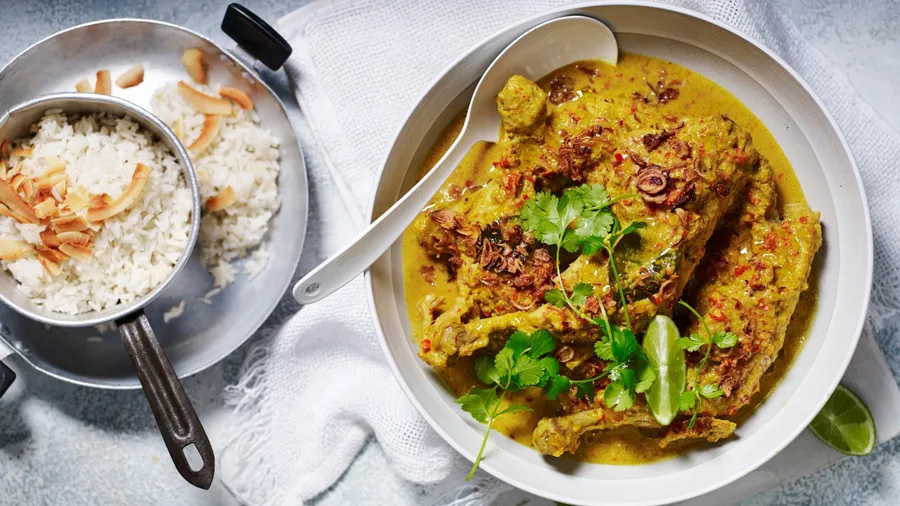
Slow cooking is not just about tenderness—it’s also about building deep, rich flavors. Here’s how to maximize taste and keep your food moist:
- Layer Flavors: Sear meats before slow cooking to develop a rich crust and add complexity.
- Use Aromatics: Onions, garlic, herbs, and spices infuse dishes with aroma and taste over time.
- Keep It Covered: Use lids or foil to trap steam and prevent moisture loss.
- Add Liquid as Needed: Check periodically and top up with broth or water if necessary.
For barbecue fans, learning how to balance smoke, rubs, and sauces is essential. If you want to dive deeper into the world of charcoal barbecue, this guide to becoming a low and slow charcoal BBQ pitmaster offers expert advice on achieving authentic flavors.
Common Mistakes to Avoid
Even experienced cooks can run into issues with gentle, extended cooking. Here are some pitfalls to watch out for:
- Too High Heat: Cooking at higher temperatures can dry out meat and toughen connective tissue.
- Not Enough Liquid: Always ensure there’s sufficient moisture to prevent burning or sticking.
- Skipping the Rest: Cutting into meat immediately after cooking causes juices to escape.
- Overcrowding: Give ingredients space for even heat circulation and better results.
FAQ: Low and Slow Cooking
What types of dishes benefit most from this cooking style?
Hearty cuts of meat like brisket, pork shoulder, and short ribs are classic choices, but stews, beans, and even some desserts can be improved with a slow, gentle approach.
How do I know when my food is done?
Use a meat thermometer to check internal temperatures. For example, pulled pork is typically ready at 195–205°F (90–96°C), while brisket is best at 200–205°F (93–96°C). Visual cues like tenderness and the ability to shred easily are also helpful.
Can I use this method for vegetarian dishes?
Absolutely. Root vegetables, legumes, and grains all develop wonderful textures and flavors when cooked slowly. Try slow-cooked vegetable stews or bean-based dishes for satisfying results.
Final Thoughts
Embracing the principles of slow, gentle cooking can make a noticeable difference in your meals. By choosing the right cuts, maintaining steady temperatures, and allowing time for flavors to develop, you’ll consistently produce dishes that are both tender and full of flavor. Whether you’re a barbecue enthusiast or a home cook looking to expand your repertoire, these strategies will help you get the most out of every meal.


