

Cooking lamb using low temperatures over a long period is a time-honored technique that brings out the best in this flavorful meat. Whether you’re using a smoker, oven, or slow cooker, the “low and slow” approach transforms tougher cuts into tender, juicy dishes packed with rich, deep flavors. This guide covers essential methods, seasoning advice, and expert tricks to help you master slow-cooked lamb at home.
Before diving into techniques, it’s helpful to understand why this method works so well. Lamb, especially cuts like shoulder and shank, contains connective tissue that breaks down during extended cooking, resulting in a melt-in-the-mouth texture. With the right approach, even novice cooks can achieve impressive results.
If you’re interested in exploring other proteins, check out our guide on low and slow fish smoking for more inspiration.
Choosing the Right Cut for Slow Cooking
Not all lamb cuts are created equal when it comes to slow roasting or smoking. The best results come from cuts with more connective tissue and fat, which benefit most from gentle, prolonged heat. Here are the top choices:
- Lamb shoulder: Well-marbled and flavorful, perfect for shredding after cooking.
- Lamb shank: Becomes incredibly tender and succulent.
- Lamb leg: Can be slow-roasted for a classic Sunday roast.
- Neck and breast: Less common but excellent for braising or stews.
For those new to barbecue, learning how to choose a smoker for low and slow can make a big difference in your cooking setup and results.
Essential Equipment for Low and Slow Lamb
While an oven can do the job, dedicated smokers and slow cookers offer more control and flavor. Here’s what you’ll need:
- Smoker or pellet grill: Provides consistent low heat and smoky flavor.
- Slow cooker: Ideal for set-and-forget meals, especially for stews and curries.
- Oven: Works well for roasts if you monitor temperature closely.
- Meat thermometer: Ensures lamb is cooked to the perfect doneness without drying out.
For those aiming to become true pitmasters, this comprehensive guide to charcoal BBQ pitmastery offers advanced tips and techniques.
Preparation and Seasoning Techniques
Getting the most out of your lamb starts before it hits the heat. Here are some preparation tips:
- Trim excess fat, but leave enough to keep the meat moist during cooking.
- Marinate or dry rub: Use herbs like rosemary, thyme, and oregano, plus garlic, lemon, and olive oil for Mediterranean flair. For deeper flavor, marinate overnight.
- Bring to room temperature before cooking for even results.
Don’t forget to season generously with salt and pepper. The slow cooking process will mellow strong flavors, so don’t be shy with your spices.
Low and Slow Lamb Cooking Methods
There are several ways to achieve tender, flavorful lamb using gentle heat. Here’s how to approach each method:
Smoking Lamb for Maximum Flavor
Smoking is a favorite among barbecue enthusiasts. Set your smoker to 225–250°F (107–121°C). Use hardwoods like hickory, oak, or fruit woods for a subtle, aromatic smoke. Place the lamb on the grate, fat side up, and cook until it reaches an internal temperature of 195–203°F (90–95°C) for pulled lamb. This can take 6–8 hours, depending on the cut and size.
For more on perfecting your setup, see our low and slow pork shoulder guide for tips that also apply to lamb.
Slow Roasting in the Oven
Oven roasting is accessible and reliable. Preheat to 275°F (135°C). Place the lamb in a roasting pan with aromatics and a splash of liquid (stock or wine). Cover with foil and cook for several hours, basting occasionally. Uncover for the last 30–45 minutes to develop a golden crust.
Using a Slow Cooker for Effortless Meals
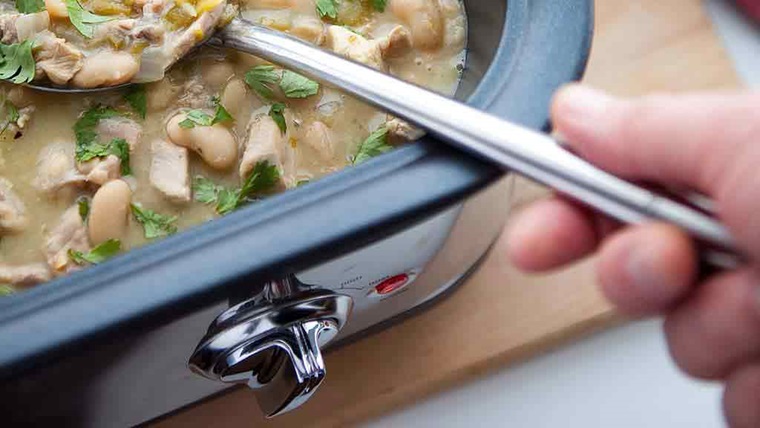
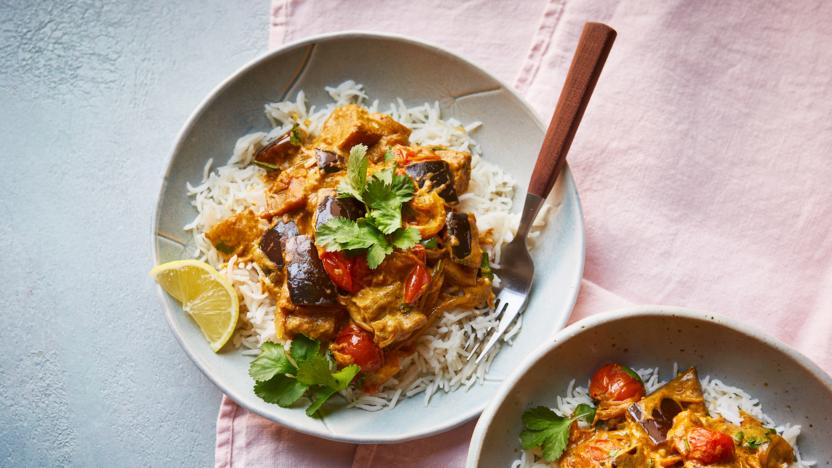
Slow cookers are perfect for busy days. Add lamb, vegetables, and liquid to the pot. Cook on low for 8–10 hours or until the meat is fork-tender. This method is ideal for stews, curries, and shredded lamb dishes.
Tips for Perfectly Tender Lamb Every Time
- Monitor internal temperature with a reliable thermometer to avoid overcooking.
- Rest the meat after cooking for at least 20 minutes. This allows juices to redistribute, keeping the lamb moist.
- Don’t rush: The magic of slow cooking is patience. Resist the urge to increase the heat.
- Use the right amount of liquid in slow cookers and braises; too much can dilute flavors, too little may dry out the meat.
- Experiment with wood chips or herbs in your smoker for unique flavor profiles.
If you’re interested in plant-based options, our low and slow vegetable smoking guide offers creative ideas for sides and vegetarian mains.
Serving Suggestions and Pairings
Slow-cooked lamb pairs beautifully with a variety of sides and sauces. Here are some classic and modern options:
- Roasted root vegetables like carrots, parsnips, and potatoes.
- Herb sauces such as chimichurri or mint salsa verde.
- Flatbreads for wrapping shredded lamb.
- Fresh salads with lemony dressings to cut through the richness.
- Red wine or dark beer to complement the deep flavors.
Common Mistakes to Avoid
- Cooking at too high a temperature: This can toughen the meat and dry it out.
- Skipping the resting period: Cutting too soon causes juices to escape.
- Underseasoning: Flavors mellow during slow cooking, so season generously.
- Neglecting to check liquid levels in slow cookers or covered roasts.
FAQ: Slow Cooking Lamb
What is the best temperature for slow-cooking lamb?
For most methods, aim for 225–275°F (107–135°C). This range allows connective tissue to break down without drying out the meat, resulting in a tender and juicy dish.
How long does it take to cook lamb low and slow?
Cooking times vary by cut and method. A whole shoulder or leg may take 6–8 hours in a smoker or oven, while smaller cuts or stews in a slow cooker can take 8–10 hours on low. Always check for tenderness and internal temperature.
Do I need to marinate lamb before slow cooking?
Marinating is optional but highly recommended. It adds flavor and helps tenderize the meat. Even a simple rub of herbs, garlic, and olive oil can make a noticeable difference.
Can I use the same techniques for other meats?
Absolutely. The low and slow approach works well for beef, pork, and even poultry. Explore our low and slow beef ribs guide for more ideas.
What’s the best way to store and reheat leftovers?
Store leftover lamb in an airtight container in the refrigerator for up to three days. Reheat gently in a covered dish with a splash of broth to keep it moist.
With these low and slow lamb tips, you’ll be well-equipped to create restaurant-quality lamb dishes at home. Take your time, use the right tools, and enjoy the process—your patience will be rewarded with every tender, flavorful bite.


