
Low and Slow Pork Shoulder Guide
Written By James MorganCooking pork shoulder using the low and slow method is a time-honored approach that transforms a tough cut into tender, flavorful meat. Whether you’re preparing pulled pork for a backyard barbecue or a comforting roast for a family dinner, understanding how to master this technique is essential for consistently delicious results. This guide covers everything you need to know about slow-cooking pork shoulder, from choosing the right cut to serving it up at the table.
Before diving into the details, it’s helpful to understand how low temperatures and extended cook times break down collagen and fat in pork shoulder, resulting in juicy, fall-apart meat. If you’re curious about the science behind this transformation, check out our article on collagen breakdown in meat for a deeper look at what happens during slow cooking.
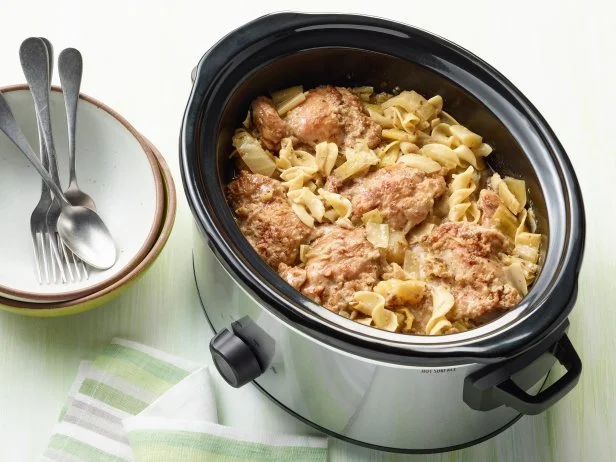
Why Choose the Low and Slow Method?
The low and slow approach is ideal for pork shoulder because it allows the connective tissue and fat to gradually melt, resulting in meat that is both moist and flavorful. Unlike quick-cooking methods, slow roasting or smoking at lower temperatures (typically between 225°F and 275°F) gives you time to develop a deep, smoky flavor and a tender texture that’s hard to achieve any other way.
For those interested in maximizing the flavor profile of their pork without a traditional grill, consider reading this guide on achieving smoky flavors without firing up the grill. It offers practical tips for infusing your pork with that signature barbecue taste, even if you’re cooking indoors.
Choosing the Right Pork Shoulder Cut
Pork shoulder is sometimes labeled as “pork butt” or “Boston butt” in grocery stores. Both cuts come from the upper part of the shoulder and are well-suited for slow cooking due to their marbling and connective tissue. When selecting your cut, look for one with a good amount of fat and a consistent shape, which will help it cook evenly.
Bone-in pork shoulder tends to be more flavorful and juicy, while boneless versions are easier to handle and shred. Either option works well for slow-cooked recipes, so choose based on your preference and the equipment you have available.
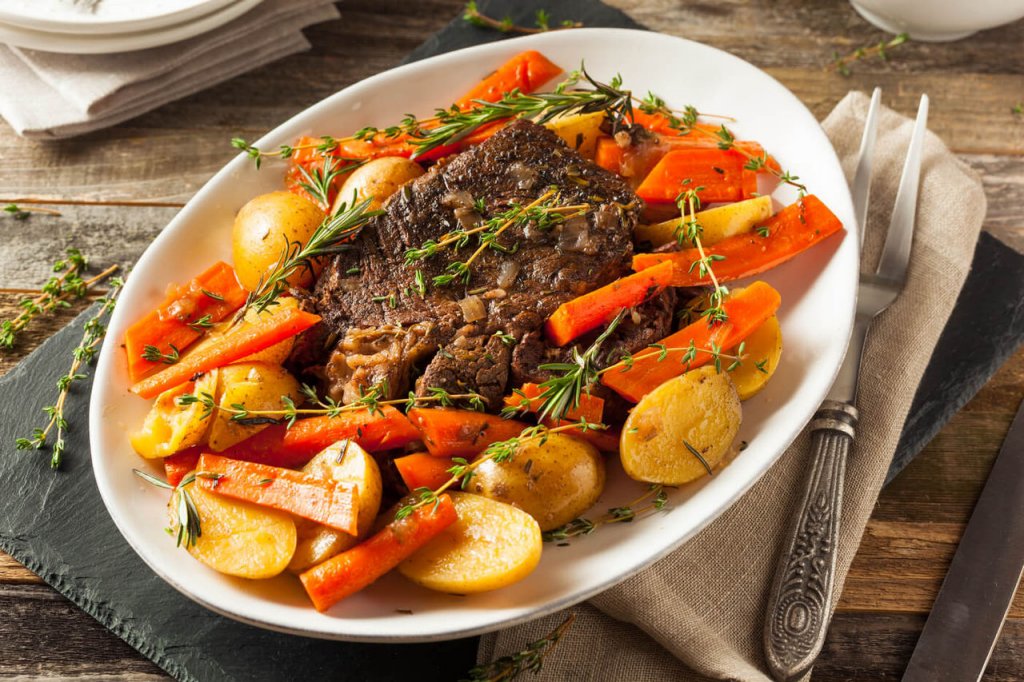
Essential Equipment for Slow Cooking Pork Shoulder
To achieve the best results, you’ll need a reliable heat source that can maintain a steady, low temperature for several hours. Here are some popular options:
- Smoker: Pellet smokers and offset smokers are favorites for barbecue enthusiasts who want authentic smoke flavor.
- Oven: A conventional oven set to a low temperature can produce excellent results, especially when paired with a roasting pan and rack.
- Slow Cooker: Electric slow cookers are convenient and nearly foolproof for home cooks.
Regardless of your method, a wireless meat thermometer is invaluable for monitoring internal temperature without opening the lid or oven door repeatedly. This helps maintain a consistent cooking environment and ensures your pork reaches the ideal doneness.
Preparing Pork Shoulder for Cooking
Proper preparation is key to maximizing flavor and tenderness. Here’s a step-by-step approach:
- Trim Excess Fat: Remove any thick layers of fat, leaving a thin cap for moisture and flavor.
- Apply a Dry Rub: Generously coat the meat with a blend of salt, pepper, paprika, garlic powder, brown sugar, and other favorite spices. Let it sit for at least an hour, or refrigerate overnight for deeper flavor.
- Bring to Room Temperature: Allow the pork to rest at room temperature for 30–60 minutes before cooking to promote even heat distribution.
For more tips on prepping meat for long cooks, our meat resting guide explains why rest times matter and how to get the juiciest results.
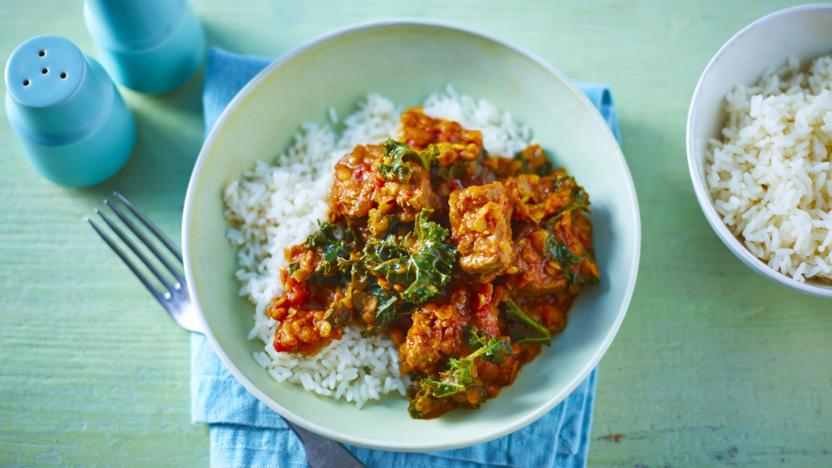
Cooking Techniques for Tender Pork Shoulder
Once prepped, it’s time to cook your pork shoulder using a gentle, controlled heat. Here’s how to get the most from your low and slow method:
- Temperature Control: Keep your smoker, oven, or slow cooker between 225°F and 275°F. This range is ideal for breaking down tough fibers without drying out the meat.
- Cooking Time: Plan on 1.5 to 2 hours per pound. A typical 6–8 pound pork shoulder can take 10–14 hours to reach peak tenderness.
- Internal Temperature: For pulled pork, aim for an internal temperature of 195°F–205°F. This ensures the collagen has fully broken down, making the meat easy to shred.
- Wrapping: If you notice the meat “stalling” (internal temperature stops rising), consider wrapping it in foil or butcher paper. For more on this, see our article on foil vs butcher paper in smoking.
Patience is key. Avoid the temptation to raise the temperature to speed things up, as this can result in dry, tough pork.
Resting, Shredding, and Serving
After your pork shoulder reaches the desired internal temperature, remove it from the heat and let it rest for at least 30 minutes. Resting allows juices to redistribute, making the meat moist and flavorful. Use two forks or meat claws to shred the pork, discarding any large pieces of fat or connective tissue.
Serve your pulled pork on buns with barbecue sauce, alongside classic sides like coleslaw and baked beans, or as a filling for tacos and burritos. The possibilities are endless, and the leftovers are just as delicious the next day.
Common Mistakes and How to Avoid Them
- Rushing the Cook: Increasing the heat to save time can result in tough, dry meat. Stick to low temperatures for best results.
- Skipping the Rest: Cutting into the pork too soon can cause juices to run out, leaving the meat dry.
- Not Using a Thermometer: Guessing doneness can lead to undercooked or overcooked pork. Always use a reliable meat thermometer.
- Neglecting Smoke Flavor: If you want authentic barbecue taste, use wood chips or pellets for added smoke. For tips, see our article on smoke ring formation.
FAQs
How do I know when pork shoulder is done?
The best way to check doneness is by using a meat thermometer. The internal temperature should reach at least 195°F for pulled pork. The meat should feel tender and shred easily with a fork.
Can I cook pork shoulder in advance?
Yes, you can cook pork shoulder a day ahead. After shredding, store it in an airtight container with some of the cooking juices to keep it moist. Reheat gently before serving.
What’s the difference between pork shoulder and pork butt?
Both cuts come from the shoulder region of the pig. Pork butt (Boston butt) is higher on the foreleg, while pork shoulder (picnic shoulder) is lower. Both are suitable for slow cooking and deliver similar results.
Do I need to marinate pork shoulder before slow cooking?
Marinating is optional. A dry rub applied several hours before cooking is usually sufficient to infuse flavor. If you prefer, you can marinate overnight for extra depth.
What wood is best for smoking pork shoulder?
Popular choices include hickory, apple, cherry, and oak. Each wood imparts a unique flavor, so experiment to find your favorite combination.
Mastering the art of slow-cooked pork shoulder is a rewarding process that delivers mouthwatering results every time. By following these tips and techniques, you’ll be well on your way to creating tender, flavorful pork that’s perfect for any occasion. For more in-depth barbecue tips, don’t miss our article on brisket stall explained and other guides throughout our site.
This article contains affiliate links. We may earn a commission at no extra cost to you.


