

Smoking vegetables at a gentle temperature over a long period brings out complex flavors, tender textures, and subtle smokiness that can transform even the simplest produce. This approach, often called low and slow vegetable smoking, is gaining popularity among home cooks and grill enthusiasts who want to expand beyond traditional smoked meats. Whether you're a vegetarian, looking to add depth to side dishes, or simply interested in new grilling techniques, this guide will walk you through the essentials for success.
Before diving into techniques and recipes, it’s helpful to understand how low-temperature smoking impacts vegetables differently than meats. Vegetables have higher water content and more delicate cell structures, so they require careful handling to avoid mushiness or bitterness. Mastering this method opens up a world of possibilities, from smoked peppers and mushrooms to hearty roots and even leafy greens.
For those interested in exploring other slow-cooking methods, the low and slow turkey guide offers additional insights into temperature control and smoke management that are also relevant to vegetables.
Why Choose Gentle Smoking for Vegetables?
Using a low and slow approach with vegetables allows for a gradual infusion of smoke flavor without overwhelming their natural sweetness or causing them to dry out. Unlike high-heat grilling, which can char or toughen the exterior, a gentle smoke preserves moisture and enhances texture. This technique is ideal for:
- Root vegetables like carrots, beets, and potatoes
- Hearty squashes and pumpkins
- Peppers, onions, and garlic
- Mushrooms and eggplant
- Even corn and tomatoes, when handled carefully
The result is a dish that’s deeply flavorful and versatile, perfect for salads, grain bowls, sandwiches, or as a main course.
Essential Equipment for Low and Slow Smoking
To achieve consistent results, you’ll need a few key tools. The most important is a smoker or grill capable of maintaining steady temperatures between 180°F and 250°F (82°C–121°C). Pellet smokers, charcoal grills with offset boxes, and electric smokers all work well. A reliable thermometer is also crucial for monitoring both the ambient temperature and the internal temperature of your vegetables.
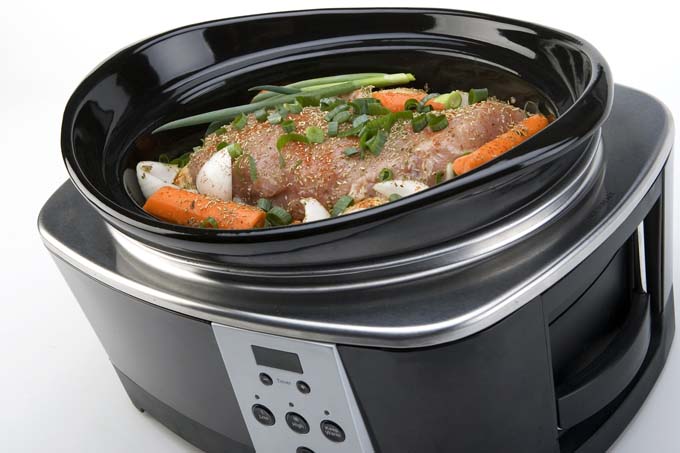
For those new to this style of cooking, a pellet smoker offers precise temperature control and consistent smoke output, making it easier to master the process. A wireless thermometer is also invaluable for tracking doneness without constantly opening the lid and letting heat escape.
Preparing Vegetables for the Smoker
Preparation is key to achieving the best results. Start by selecting fresh, firm vegetables. Wash and dry them thoroughly. Depending on the type, you may want to peel, slice, or leave them whole. For example, carrots and beets can be smoked whole or halved, while mushrooms and peppers are best sliced to expose more surface area to the smoke.
Lightly coat your vegetables with oil to prevent sticking and help the smoke adhere. Season simply with salt, pepper, and herbs, or use a dry rub for added complexity. Avoid heavy marinades, as excess moisture can hinder smoke absorption.
Choosing Wood for Flavor
The type of wood you use will significantly influence the final taste. Mild woods like alder, apple, or cherry are ideal for most vegetables, providing a subtle sweetness without overpowering their natural flavors. Stronger woods such as hickory or mesquite can be used sparingly for heartier vegetables but may be too intense for delicate types.
Experiment with different wood combinations to find your preferred flavor profile. Remember, a little smoke goes a long way—especially with produce.
Step-by-Step Smoking Process
- Preheat your smoker to between 200°F and 225°F (93°C–107°C).
- Arrange vegetables in a single layer on the grate or in a grill basket to allow even smoke circulation.
- Add wood chips or pellets according to your smoker’s instructions.
- Monitor temperature closely using a wireless thermometer for best results.
-
Smoke vegetables until tender and infused with flavor. Cooking times vary:
- Root vegetables: 1.5–2.5 hours
- Peppers and mushrooms: 45–90 minutes
- Squash and eggplant: 1–2 hours
- Check for doneness by piercing with a fork. They should be tender but not mushy.
For more tips on managing temperature and smoke levels, see this comprehensive guide to low and slow barbecue techniques.
Serving Suggestions and Recipe Ideas
Smoked vegetables can be served hot or cold, as a main dish or a flavorful side. Try tossing smoked carrots and beets with a citrus vinaigrette, layering smoked mushrooms on a sandwich, or blending smoked tomatoes into a salsa or soup. The possibilities are nearly endless.
For a complete meal, pair smoked vegetables with grilled proteins or grains. They also make excellent additions to tacos, pasta, or even pizza.

Tips for Perfect Results Every Time
- Don’t overcrowd the smoker. Airflow is essential for even smoking.
- Rotate vegetables halfway through for uniform exposure to smoke and heat.
- Use a drip pan to catch juices and prevent flare-ups.
- Let vegetables rest for a few minutes after smoking to allow flavors to settle.
- Experiment with seasonings and wood types to discover new flavor combinations.
If you’re interested in other slow-cooking techniques, the foil vs butcher paper in smoking article provides insights that can also apply to vegetable smoking, especially when considering moisture retention and smoke penetration.
Common Mistakes to Avoid
- Smoking at too high a temperature can dry out or burn vegetables.
- Using too much wood results in bitterness rather than a pleasant smokiness.
- Skipping the oil coating can lead to sticking and uneven smoke absorption.
- Neglecting to monitor doneness may cause overcooked, mushy results.
With practice and attention to detail, you can consistently achieve delicious, smoky vegetables that stand out at any meal.
Frequently Asked Questions
What vegetables are best suited for low and slow smoking?
Root vegetables like carrots, potatoes, and beets, as well as mushrooms, peppers, squash, and eggplant, respond well to gentle smoking. Leafy greens and very delicate vegetables can be smoked, but require extra care and shorter cooking times.
How do I prevent vegetables from becoming too soft or mushy?
Keep the temperature low, avoid overcrowding, and check for doneness regularly. Using a grill basket can help maintain structure, and slicing vegetables evenly ensures they cook at the same rate.
Can I smoke vegetables alongside meat?
Yes, but be mindful of cross-contamination and differing cooking times. Place vegetables on a separate rack or in a grill basket, and add them to the smoker at the appropriate time so they finish together with your main dish.
This article contains affiliate links. We may earn a commission at no extra cost to you.


