

Cooking “low and slow” is a time-honored technique that transforms tough cuts of meat into tender, flavorful dishes. Across the globe, different regions have developed their own unique approaches to this method, each with distinct flavors, woods, and traditions. Whether you’re a backyard enthusiast or a seasoned pitmaster, understanding these regional low and slow styles can elevate your barbecue and slow-cooked meals to new heights.
This article explores the most influential traditions, from American barbecue to international slow-cooked classics. We’ll also touch on essential tools, wood selection, and tips for perfecting your technique. If you’re interested in optimizing your fuel source, check out our guide on low and slow firewood selection for more details.
American Barbecue Traditions
In the United States, slow-cooked barbecue is more than just food—it’s a cultural institution. Each region has its own signature approach, from the smoky brisket of Texas to the tangy pulled pork of the Carolinas. Here are some of the most notable American styles:
- Texas: Known for beef brisket cooked over oak or mesquite, Texas barbecue emphasizes a simple rub of salt and pepper, letting the meat and smoke shine.
- Kansas City: Famous for its sweet, tomato-based sauce and a variety of meats, including ribs, burnt ends, and sausage.
- Carolina: Divided into Eastern (whole hog, vinegar-based sauce) and Western (pork shoulder, tomato-vinegar sauce), Carolina barbecue is all about pork and tangy flavors.
- Memphis: Renowned for dry-rubbed ribs and pulled pork, often served with a side of tangy slaw.
These traditions rely on low temperatures (typically 225–275°F) and long cook times, often exceeding 12 hours for large cuts. The choice of wood—such as hickory, oak, or pecan—plays a crucial role in the final taste.
International Approaches to Slow Cooking
While American barbecue is perhaps the most famous, slow-cooked dishes are found worldwide. Each culture brings its own flavors, techniques, and ingredients to the table.
- Argentina: The asado is a social event centered around grilling and slow-roasting beef, pork, and sausages over wood embers. The process is unhurried, allowing flavors to develop deeply.
- Mexico: Barbacoa involves steaming or pit-roasting meats (often lamb or goat) with spices and agave leaves, producing tender, aromatic results.
- China: Red-cooked pork and other braised dishes use low heat and long simmering times, with soy sauce, spices, and aromatics infusing the meat.
- France: Dishes like coq au vin and boeuf bourguignon are classic examples of slow braising, where meats are cooked gently in wine and stock until meltingly tender.
These global traditions demonstrate the versatility and universal appeal of low and slow cooking, whether over open flames, in a pit, or on the stovetop.

Essential Equipment for Low and Slow Cooking
Success with these time-intensive methods depends on the right tools. Smokers, grills, and slow cookers all have their place, but offset smokers are a favorite among purists for their ability to maintain steady heat and impart authentic smoke flavor. For a deep dive into this equipment, see this comprehensive guide to offset smokers.
Temperature control is another key factor. Fluctuations can result in uneven cooking or dry meat. To learn more about keeping your heat steady, our article on how to avoid temperature swings offers practical advice.
Modern tools like pellet grills and wireless thermometers make it easier than ever to achieve consistent results, even for beginners. These devices help monitor internal temperatures and reduce the guesswork, ensuring your brisket or pork shoulder turns out perfectly every time.
Wood Selection and Smoke Profiles
The type of wood you use can dramatically impact the flavor of your finished dish. Different regional low and slow styles favor specific woods:
- Hickory: Strong, smoky flavor, popular in the American South for pork and ribs.
- Oak: Versatile and balanced, a favorite in Texas for beef.
- Pecan: Milder than hickory, with a slightly sweet note.
- Fruitwoods (apple, cherry): Lighter smoke, ideal for poultry and pork.
Choosing the right wood is about matching the smoke profile to your protein and desired taste. For more on this topic, refer to our earlier mention of firewood selection for low and slow cooking.
Signature Dishes from Around the World
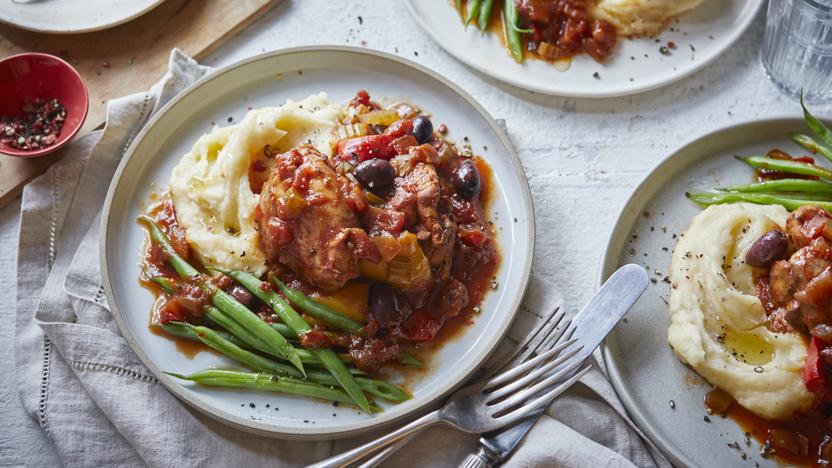
Some of the world’s most beloved comfort foods are products of slow cooking. Here are a few iconic examples:
- Texas Brisket: Smoked for up to 18 hours, resulting in a tender, smoky, and deeply flavorful cut.
- Carolina Pulled Pork: Pork shoulder cooked until it shreds easily, served with vinegar-based sauce.
- French Cassoulet: A slow-baked casserole of beans, sausage, and duck or pork.
- Chinese Red-Braised Pork: Pork belly simmered in soy sauce, sugar, and spices for hours.
- Argentinian Asado: Beef ribs and sausages cooked slowly over wood embers.
These dishes highlight the diversity and universal appeal of slow-cooked meals, each reflecting local tastes and ingredients.
Tips for Mastering Low and Slow Techniques
Perfecting slow-cooked recipes requires patience and attention to detail. Here are some practical tips:
- Plan ahead: Many cuts need hours of cooking and resting time. Start early to avoid rushing the process.
- Monitor temperature: Use a reliable thermometer to track both the cooking chamber and internal meat temperatures.
- Don’t peek too often: Opening the lid or door lets out heat and smoke, extending cook times and impacting flavor.
- Let it rest: After cooking, allow meat to rest so juices redistribute, resulting in a moister final product.
For those tackling brisket overnight, our all night brisket strategy provides a step-by-step approach to managing long cooks.
Common Challenges and How to Overcome Them
Even experienced cooks encounter issues with low and slow methods. Here are some common problems and solutions:
- Temperature swings: Use quality fuel and maintain airflow. For more troubleshooting, see our article on avoiding temperature swings.
- Smoke residue: Excessive smoke can create bitter flavors and residue. Learn how to clean your equipment with our guide on removing smoke residue.
- Bark formation: Achieving the perfect crust, or “bark,” requires the right balance of heat, moisture, and rub. For more on this, read about what causes bark formation.
FAQ
What is the ideal temperature range for low and slow cooking?
Most slow-cooked barbecue and braised dishes are cooked between 225°F and 275°F (107°C–135°C). This range allows tough connective tissues to break down without drying out the meat.
Which cuts of meat are best for slow cooking?
Tough, well-marbled cuts like brisket, pork shoulder, beef chuck, and lamb shanks are ideal. The long cooking time breaks down collagen, resulting in tender, juicy meat.
How do I choose the right wood for my smoker?
Match the wood to your protein and desired flavor. Strong woods like hickory and mesquite suit beef and pork, while fruitwoods like apple or cherry are milder and great for poultry or fish. For more guidance, see our earlier discussion on wood selection.
Can I use a slow cooker to replicate barbecue flavors?
While a slow cooker can achieve similar tenderness, it won’t provide the same smoky flavor as traditional barbecue. For smoke flavor, use a smoker or grill with wood chips, or add a small amount of liquid smoke to your slow cooker recipes.
Exploring regional low and slow styles opens up a world of flavor and tradition. By understanding the techniques, tools, and ingredients that define each approach, you can bring authentic and delicious results to your own kitchen or backyard.
This article contains affiliate links. We may earn a commission at no extra cost to you.


