

When it comes to low and slow barbecue, pitmasters often debate the best way to keep meat moist and flavorful during long cooks. Two popular methods—spritzing and mopping—each have their own traditions, techniques, and advantages. Understanding the differences between a spritz and a mop sauce can help you achieve the perfect bark, tenderness, and taste in your next barbecue session. In this guide, we’ll break down what sets these two approaches apart, when to use each, and how to get the most out of your smoking or grilling experience.
Before diving into the details, it’s important to remember that both spritzing and mopping are part of the broader world of low and slow cooking. For those interested in safety and best practices, check out this resource on low and slow cooking safety to ensure your barbecue is both delicious and safe.
Understanding Spritzing in Barbecue
Spritzing is a technique where a fine mist of liquid is sprayed onto meat during the cooking process. The goal is to keep the surface moist, enhance smoke adhesion, and build a flavorful bark. Spritzing is typically done using a spray bottle filled with a simple mixture—often apple juice, vinegar, water, or a blend of these. Some pitmasters add spices or even a splash of beer for extra complexity.
Spritzing is especially popular with ribs, brisket, and pork shoulder. The light application of moisture helps prevent the surface from drying out and can contribute to a more attractive, flavorful crust. Because the liquid is applied as a mist, it doesn’t wash away seasonings or disturb the developing bark.
Benefits of the Spritz Method
- Enhances smoke flavor by helping smoke particles stick to the meat.
- Promotes even cooking by cooling the surface slightly and slowing down the cook, which can help break down connective tissue.
- Maintains a moist exterior without soaking or disturbing the rub.
Spritzing is a low-impact way to manage moisture and flavor, making it ideal for those who want to preserve a delicate bark and avoid overpowering the meat with additional sauces.
What Is Mop Sauce?
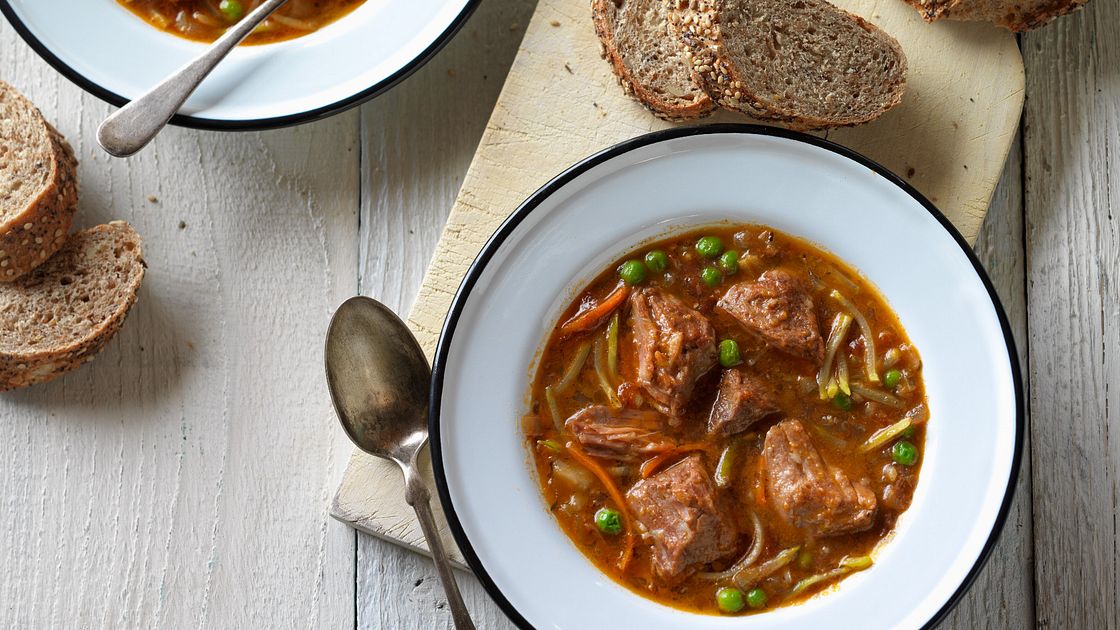
Mop sauce is a more traditional, Southern-style barbecue technique. Instead of a fine mist, a mop sauce is applied with a small brush or “mop” (sometimes resembling a miniature cotton mop) directly onto the meat. Mop sauces are typically thin, vinegar-based liquids, often seasoned with spices, herbs, and sometimes a touch of oil or tomato.
The act of mopping serves two purposes: it adds flavor and moisture, and it can also help cool the surface of the meat to slow the cooking process. Because mop sauces are applied more liberally, they can impart a stronger flavor and sometimes alter the texture of the bark.
Advantages of Using Mop Sauce
- Adds bold flavors directly to the meat, especially with vinegar, spices, and herbs.
- Helps tenderize tougher cuts by introducing acidity and moisture.
- Traditional for certain regional styles like Carolina and Texas barbecue.
Mop sauces are often used for larger cuts like brisket and pork shoulder, and are a hallmark of classic barbecue in many parts of the American South. For more on regional techniques, see this article on texas style low and slow barbecue.
Key Differences Between Spritzing and Mopping
While both methods aim to keep meat moist and flavorful, there are several important distinctions:
| Aspect | Spritzing | Mop Sauce |
|---|---|---|
| Application | Fine mist from a spray bottle | Brushed or dabbed with a mop or brush |
| Liquid Type | Usually simple (juice, vinegar, water) | Seasoned, often vinegar-based, sometimes with oil or tomato |
| Flavor Impact | Subtle, enhances smoke and bark | Stronger, adds distinct flavors |
| Effect on Bark | Preserves delicate crust | Can soften or alter bark texture |
| Frequency | Every 30–60 minutes | Every 45–90 minutes |
Choosing between these two techniques depends on your goals, the cut of meat, and your preferred barbecue style. Some pitmasters even combine both methods at different stages of the cook.
When to Use Spritzing or Mopping
The decision to spritz or mop often comes down to the type of meat and the desired outcome. For example, spritzing is ideal for ribs and poultry, where a crisp bark and subtle flavor are preferred. Mopping is better suited for large, tough cuts like brisket or pork shoulder, where the meat can benefit from the extra flavor and moisture.
Environmental factors also play a role. In dry or windy conditions, spritzing can help prevent the surface from drying out too quickly. In humid climates, mopping may be more effective at adding flavor without over-saturating the meat. For tips on adapting your barbecue to different weather, see this guide on summer smoking challenges.
Tips for Getting the Most Out of Both Techniques
- Use clean tools: Always use a clean spray bottle for spritzing and a sanitized mop or brush for mopping to avoid cross-contamination.
- Monitor internal temperature: Both methods require opening the smoker, which can drop the temperature. Use a wireless meat thermometer to keep track without losing too much heat.
- Don’t overdo it: Too much moisture can wash off your rub or make the bark soggy. Apply liquids sparingly and as needed.
- Experiment with flavors: Try different liquids and seasonings to find what works best for your favorite cuts and barbecue style.
For those new to smoking, learning how to set up your grill or smoker for easy temperature control is crucial. Check out this step-by-step guide to setting up your BBQ for easy smoking for practical tips.
Common Mistakes to Avoid
- Opening the lid too often: Every time you spritz or mop, you lose heat and smoke. Plan your applications to minimize disruptions.
- Using thick sauces too early: Mop sauces with sugar or tomato can burn if applied too soon. Save these for the last hour of cooking.
- Neglecting food safety: Always keep mop sauces and spritz liquids refrigerated until use, and never reuse brushes or mops without cleaning.
FAQ
What’s the main difference between a spritz and a mop sauce?
The key difference lies in the application and the liquid used. Spritzing uses a fine mist of simple liquids, while mopping applies a more flavorful, seasoned sauce with a brush or mop. Spritzing is gentler and preserves bark, while mopping adds bold flavors and can alter texture.
Can I use both spritzing and mopping on the same piece of meat?
Yes, some pitmasters use both methods at different stages. For example, you might spritz early in the cook to build bark, then mop later to add flavor and moisture as the meat nears completion.
Does spritzing or mopping affect the cooking time?
Both methods can slightly extend cooking time because opening the smoker releases heat. Mopping, which adds more liquid, may slow the cook a bit more than spritzing. Always monitor internal temperature to ensure food safety and doneness.
Which method is better for brisket?
Both work well, but many prefer mopping for brisket due to the bold flavors and moisture it adds. Spritzing is a good choice if you want to preserve a firmer bark and subtler flavor profile.
Conclusion
Choosing between spritzing and mopping depends on your barbecue goals, the cut of meat, and your flavor preferences. Both techniques have their place in the pitmaster’s toolkit, and experimenting with each can help you discover what works best for your style. Whether you’re aiming for a classic Southern barbecue or a modern take on smoked meats, understanding these methods will help you achieve juicy, flavorful results every time. For more insights into regional barbecue traditions, explore this article on carolina bbq slow cooking.
This article contains affiliate links. We may earn a commission at no extra cost to you.
This article contains affiliate links. We may earn a commission at no extra cost to you.
This article contains affiliate links. We may earn a commission at no extra cost to you.


