

Low and slow cooking is a time-honored method that transforms tough cuts of meat and hearty vegetables into tender, flavorful dishes. By using gentle heat over an extended period, this approach allows flavors to develop deeply while breaking down connective tissues, resulting in melt-in-your-mouth textures. Whether you’re using a slow cooker, smoker, oven, or stovetop, this technique is prized by home cooks and professionals alike for its ability to deliver consistently delicious results with minimal fuss.
Understanding the basics of this cooking style can help you unlock new possibilities in your kitchen. If you’re curious about how to get started or want to perfect your technique, you’re in the right place. While there are many ways to achieve smoky flavors, even without a grill, you can explore creative options in this guide to adding smoky flavor without a grill.
How the Low and Slow Method Works
At its core, low and slow cooking means applying a gentle heat—usually between 200°F and 300°F (93°C to 149°C)—for several hours. This slow process allows tough fibers in meat to break down gradually, making them tender and juicy. The technique is especially effective for cuts like brisket, pork shoulder, and short ribs, which can be chewy if cooked quickly at high temperatures.
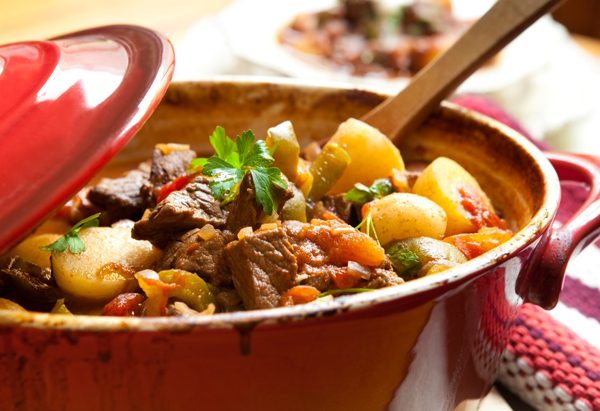
Vegetables and legumes also benefit from this approach, as the extended cook time helps them absorb seasonings and develop a rich, complex flavor profile. Whether you’re braising, roasting, or using a slow cooker, patience is key to achieving the best results.
Popular Equipment for Gentle, Extended Cooking
There are several tools and appliances that make this method accessible to home cooks:
- Slow cookers: Also known as crockpots, these electric appliances maintain a steady low temperature for hours, making them ideal for stews, soups, and braised meats.
- Ovens: Setting your oven to a low temperature allows for gentle roasting or braising in covered dishes.
- Pellet smokers and grills: These devices use wood pellets to produce consistent heat and smoke, perfect for barbecue and smoked meats.
- Stovetop: Dutch ovens and heavy pots can be used on the stovetop for slow simmering and braising.
Choosing the right equipment depends on your recipe and available tools, but the principles remain the same: low heat and plenty of time.

Benefits of Cooking at Low Temperatures for Extended Periods
There are several advantages to using this technique:
- Enhanced tenderness: Slow heat breaks down collagen and connective tissues, resulting in soft, succulent meat.
- Deeper flavors: The gradual cooking process allows spices, herbs, and aromatics to infuse the dish, creating a more complex taste.
- Convenience: Many recipes can be prepared in advance and left to cook unattended, freeing up your time.
- Cost-effective: Less expensive cuts of meat become delicious and tender, making it budget-friendly.
This approach is especially popular in barbecue, braised dishes, and hearty stews, where the transformation of ingredients is most noticeable.
Best Foods for Gentle, Prolonged Cooking
Some ingredients are particularly well-suited to this style of preparation:
- Tough cuts of meat: Brisket, pork shoulder, chuck roast, lamb shanks, and short ribs all benefit from slow, moist heat.
- Poultry: Whole chickens and turkey legs can become incredibly juicy when cooked slowly.
- Root vegetables: Carrots, potatoes, parsnips, and turnips absorb flavors and soften beautifully.
- Beans and legumes: Extended simmering helps break down fibers and enhances creaminess.
Experimenting with different ingredients can help you discover new favorite dishes that are both comforting and satisfying.
Tips for Mastering Low and Slow Cooking Techniques
To get the most out of this approach, consider these practical tips:
- Plan ahead: Since recipes can take several hours, start early or use a programmable slow cooker.
- Use the right temperature: Stick to the recommended heat range (200°F–300°F) for best results.
- Don’t rush: Resist the urge to turn up the heat to speed things along; patience is essential.
- Monitor moisture: Keep lids on pots and slow cookers to retain moisture, or add liquid as needed.
- Check doneness: Use a wireless meat thermometer to ensure meats reach safe internal temperatures without overcooking.
With a bit of practice, you’ll find that this method is forgiving and rewarding, producing meals that are both flavorful and satisfying.
Common Mistakes and How to Avoid Them
Even experienced cooks can run into issues when using gentle, prolonged heat. Here are some common pitfalls and how to steer clear of them:
- Overcrowding the pot: Give ingredients enough space to cook evenly and absorb flavors.
- Using too little liquid: Dry cooking can lead to tough, dry results. Make sure there’s enough broth, water, or sauce to keep things moist.
- Skipping the sear: Browning meat before slow cooking adds depth and complexity to the final dish.
- Not seasoning properly: Flavors can mellow during long cooking times, so taste and adjust seasonings as needed.
By keeping these points in mind, you can avoid disappointment and consistently achieve delicious, tender results.
Frequently Asked Questions
What types of dishes are best suited to low and slow cooking?
This technique is ideal for hearty stews, braised meats, pulled pork, barbecue, and bean-based soups. Any recipe that benefits from tenderizing tough ingredients and developing deep flavors will work well.
How do I know when my food is done?
For meats, use a meat thermometer to check for safe internal temperatures. For other dishes, test for tenderness with a fork or taste for doneness. Cooking times can vary based on the size and type of ingredients.
Can I use this method for vegetarian or vegan recipes?
Absolutely. Root vegetables, beans, lentils, and plant-based proteins all benefit from gentle, extended cooking. The technique helps develop rich flavors and satisfying textures in plant-based dishes as well.


