

Ensuring that meat is cooked thoroughly is crucial for both flavor and food safety. Consuming meat that hasn't reached a safe internal temperature can expose you to harmful bacteria such as Salmonella, E. coli, and Listeria. Whether you're grilling, roasting, or using a slow cooker, understanding the risks and best practices for avoiding undercooked meat will help you serve delicious and safe meals every time.
Many home cooks and barbecue enthusiasts strive for juicy, tender results, but it's important not to sacrifice safety for texture. This guide covers essential tips, recommended tools, and common mistakes to help you achieve perfectly cooked meat. If you're interested in learning more about safe cooking practices, you might also find our article on low and slow cooking safety helpful.
Why Proper Cooking Matters
Undercooked meat poses significant health risks. Harmful bacteria and parasites can survive if meat does not reach the recommended internal temperature. Symptoms of foodborne illness may include nausea, vomiting, diarrhea, and abdominal pain. In severe cases, these illnesses can lead to hospitalization or long-term health issues.
Besides health concerns, meat that hasn't cooked through often has an unpleasant texture and flavor. Ensuring thorough cooking not only protects your health but also enhances the eating experience.
Essential Tools for Safe Cooking
One of the most effective ways to ensure meat is cooked properly is by using a reliable food thermometer. Visual cues, such as color or juices running clear, are not always accurate indicators of doneness. A thermometer provides a precise reading of the internal temperature, helping you avoid undercooking.
For outdoor cooking enthusiasts, investing in quality equipment can make a big difference. For example, using a pellet smoker grill can help maintain consistent temperatures, which is especially important for large cuts of meat or long cooking sessions. If you're interested in upgrading your setup, consider exploring options like a pellet smoker grill for even heat distribution.
Wireless meat thermometers are another valuable tool, allowing you to monitor temperatures remotely without opening the oven or grill, which can cause heat loss and uneven cooking.
Safe Internal Temperatures for Different Meats
Each type of meat has a specific minimum internal temperature recommended by food safety authorities. Here is a quick reference table:
| Meat Type | Minimum Internal Temperature (°F) | Notes |
|---|---|---|
| Poultry (whole or ground) | 165 | Includes chicken, turkey, duck |
| Ground meats (beef, pork, lamb) | 160 | Ensure even mixing and cooking |
| Beef, pork, lamb (steaks, chops, roasts) | 145 | Allow to rest for 3 minutes |
| Fish and shellfish | 145 | Opaque and flakes easily |
| Ham (fresh or smoked) | 145 | Rest for 3 minutes |
Common Mistakes That Lead to Undercooked Meat
Even experienced cooks can sometimes serve meat that isn't fully cooked. Here are some frequent errors to watch out for:
- Relying on color alone: The color of cooked meat is not always a reliable indicator of doneness. Some meats may remain pink even after reaching a safe temperature.
- Not using a thermometer: Guessing or using touch can lead to inconsistent results. Always use a thermometer for accuracy.
- Uneven cooking: Overcrowding the pan or grill can prevent heat from circulating, leading to unevenly cooked meat.
- Skipping the rest period: Allowing meat to rest after cooking helps juices redistribute and ensures the temperature stabilizes throughout.
- Incorrect thawing: Cooking meat from a partially frozen state can result in the outside being done while the inside remains undercooked.
Tips for Preventing Undercooking
To consistently achieve safe and tasty results, follow these practical tips:
- Use a thermometer: Insert the probe into the thickest part of the meat, avoiding bone and fat, for the most accurate reading.
- Preheat your cooking equipment: Whether using a grill, oven, or smoker, make sure it reaches the desired temperature before adding meat.
- Monitor cooking times: Follow recommended cooking times for the cut and size of meat, but always verify with a thermometer.
- Let meat rest: After removing from heat, let meat rest for a few minutes. This allows the temperature to even out and juices to settle.
- Check multiple spots: For large cuts or whole birds, check the temperature in several places to ensure even doneness.
For those who enjoy smoking or slow-cooking, maintaining a consistent low temperature is key. You can learn more about the challenges and solutions for different weather conditions in our articles on summer smoking challenges and cold weather low and slow cooking.
Special Considerations for Slow Cooking and Smoking
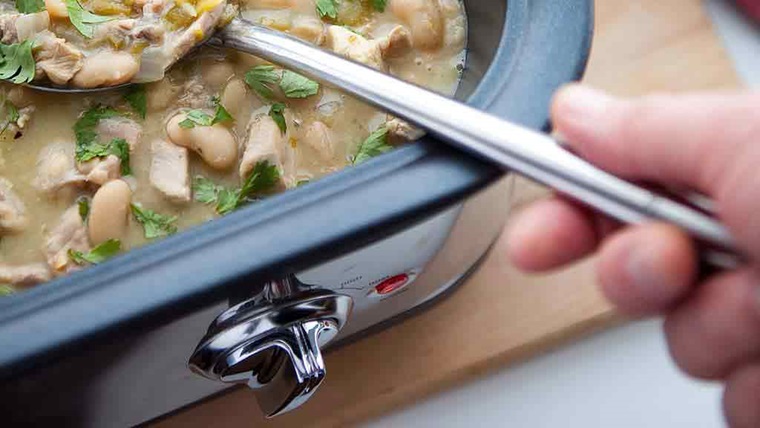
Slow cookers and smokers are popular for their ability to tenderize tough cuts and infuse rich flavors. However, these methods require careful attention to temperature control to avoid undercooked results. Always preheat your slow cooker or smoker, and avoid lifting the lid unnecessarily, as this can cause temperature drops.
For those interested in advanced techniques, such as injecting meat before smoking, it's important to ensure that the injected marinade doesn't create cold spots that remain undercooked. Always check the internal temperature in multiple locations.

Choosing the Right Equipment for Even Cooking
Consistent heat is essential for thorough cooking. Offset smokers, pellet grills, and modern ovens are designed to maintain stable temperatures, reducing the risk of undercooked meat. If you're considering new equipment, this comprehensive guide to offset smokers provides detailed insights into their benefits and usage tips.
Wireless thermometers and digital timers can further improve your results by allowing you to monitor cooking progress without opening the lid or door, which helps maintain heat and moisture.
Frequently Asked Questions
How can I tell if meat is cooked without a thermometer?
While there are visual and tactile cues, such as color and firmness, these are not always reliable. The safest method is to use a food thermometer. If you must rely on other methods, ensure juices run clear and the meat is firm, but remember these are not foolproof.
What should I do if I accidentally serve undercooked meat?
If you realize meat is undercooked after serving, return it to the heat source immediately and cook until it reaches the recommended internal temperature. Discard any portions that have come into contact with raw juices to avoid cross-contamination.
Is it safe to eat rare or medium-rare meat?
Some meats, like beef steaks, can be safely consumed at lower temperatures if the outside is properly seared. However, ground meats, poultry, and pork should always be cooked to their recommended minimum internal temperatures to ensure safety.
Conclusion
Achieving safe and delicious results in the kitchen or at the grill is all about attention to detail. By using a thermometer, following recommended temperatures, and choosing the right equipment, you can confidently serve meals that are both flavorful and safe. Remember, avoiding undercooked meat is not just about taste—it's about protecting your health and the health of those you cook for.
This article contains affiliate links. We may earn a commission at no extra cost to you.
This article contains affiliate links. We may earn a commission at no extra cost to you.
This article contains affiliate links. We may earn a commission at no extra cost to you.


