
Cold Weather Low and Slow Cooking
Written By James MorganWhen temperatures drop and the days grow shorter, there’s nothing quite as comforting as a meal that’s been gently simmered or roasted for hours. Cold weather low and slow cooking is a time-honored approach that transforms tough cuts of meat, root vegetables, and hearty grains into deeply flavorful, warming dishes. Whether you’re using a slow cooker, Dutch oven, or pellet smoker, this method is ideal for creating satisfying meals that fill your home with inviting aromas and deliver robust taste with every bite.
Low and slow techniques are especially popular during the colder months, not only for their ability to tenderize and develop flavor, but also for their practicality. You can set up your meal in the morning and return to a ready-to-eat dinner after a day spent braving the chill. For those interested in the science and safety of these methods, it’s worth reading about low and slow cooking safety to ensure your meals are both delicious and safe.
Why Low and Slow Cooking Shines in Winter
As the temperature outside drops, our cravings shift toward foods that offer warmth and comfort. Low and slow cooking in cold weather is perfectly suited to this seasonal need. The gentle, extended heat breaks down connective tissues in meats and allows flavors to meld, resulting in dishes that are both tender and deeply satisfying. Additionally, the process helps warm your kitchen and home, adding to the cozy atmosphere that so many seek during winter months.
This method is also forgiving and flexible. You can use less expensive cuts of meat, which become meltingly tender after hours of slow cooking. Root vegetables and legumes also benefit, absorbing savory juices and contributing to the overall heartiness of the meal. For those who love barbecue, exploring regional styles like texas style low and slow can bring a taste of summer comfort to your winter table.
Essential Equipment for Low and Slow Cooking in Cold Months
To get the most out of slow-cooked meals during chilly weather, having the right tools is key. Here are some essentials:
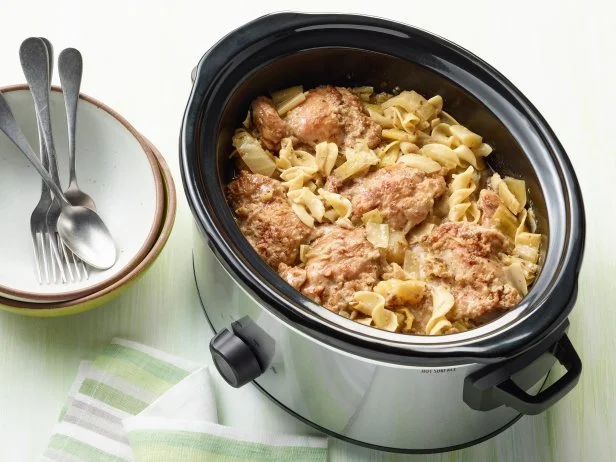
- Slow Cooker or Crockpot: Ideal for set-it-and-forget-it meals. These appliances maintain a consistent low temperature, perfect for all-day braising and stewing.
- Dutch Oven: This heavy, lidded pot is excellent for oven or stovetop braising. Its thick walls and tight-fitting lid help retain heat and moisture.
- Pellet Smoker or Grill: For those who crave smoky flavors, a pellet smoker allows you to cook outdoors even in winter, infusing meats with wood-fired aroma.
- Wireless Meat Thermometer: Ensures your proteins reach the perfect doneness without overcooking, especially important for large roasts or poultry.
Best Cuts and Ingredients for Wintertime Braising and Roasting
Choosing the right ingredients is crucial for successful cold weather low and slow cooking. Here are some top picks:
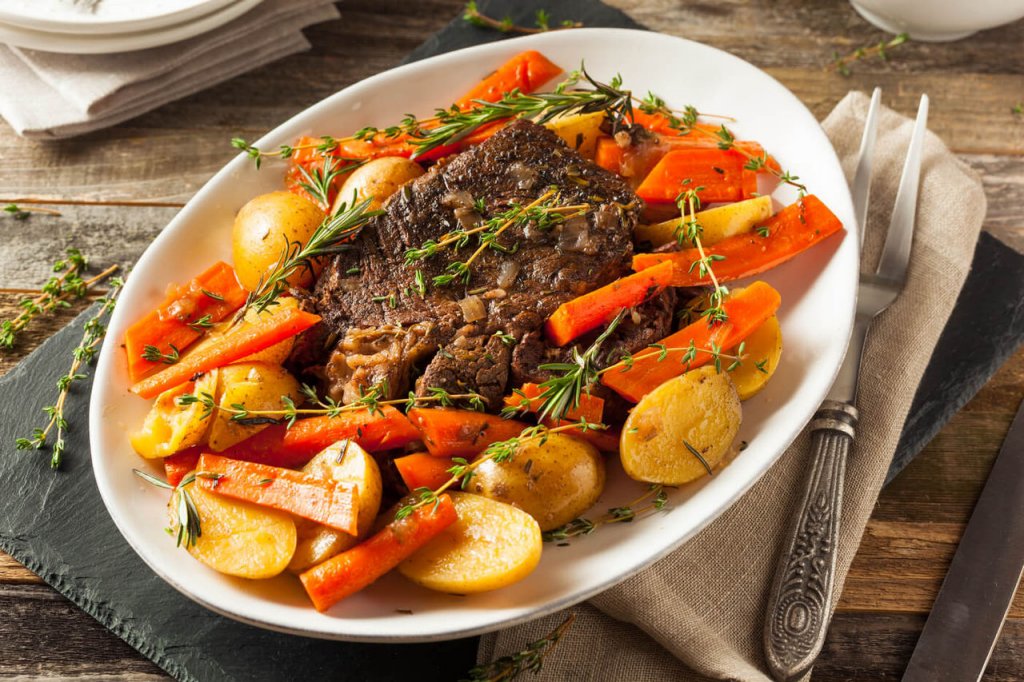
- Beef Chuck, Brisket, and Short Ribs: These cuts have ample connective tissue and fat, which break down beautifully over long, gentle heat.
- Pork Shoulder and Ribs: Affordable and flavorful, these cuts are perfect for pulled pork or barbecue-style dishes.
- Lamb Shanks and Stew Meat: Lamb becomes incredibly tender and rich after hours of braising, making it a winter favorite.
- Chicken Thighs and Drumsticks: Dark meat stays juicy and absorbs flavor well during slow cooking.
- Root Vegetables: Carrots, parsnips, potatoes, and turnips add sweetness and substance to stews and roasts.
- Legumes: Lentils, beans, and chickpeas become creamy and satisfying when simmered for hours.
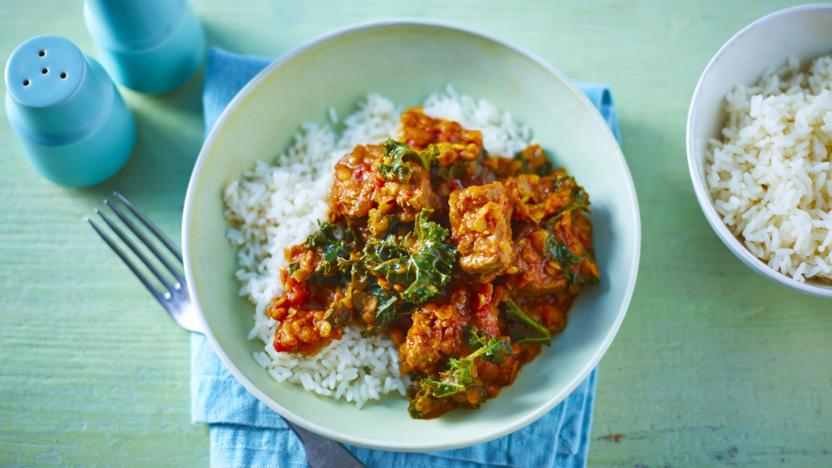
For inspiration, you might want to try a classic lamb and lentil curry or a cider-braised chicken with apples. These dishes highlight how slow cooking can coax out the best in winter produce and proteins.
Tips for Perfect Results with Low and Slow Techniques
To get the most out of your wintertime slow cooking, keep these tips in mind:
- Brown Your Meat First: Searing meat before adding it to your slow cooker or Dutch oven develops flavor and color.
- Layer Flavors: Use aromatics like onions, garlic, and spices to build a flavor base. Deglaze with wine, broth, or cider for extra depth.
- Don’t Overcrowd: Give ingredients space to cook evenly. Overfilling can lead to uneven results.
- Monitor Liquid Levels: Slow cookers retain moisture, so you often need less liquid than with stovetop methods. For oven braises, check occasionally and add broth if needed.
- Use a Thermometer: For large cuts, a wireless meat thermometer ensures you hit the right internal temperature without guesswork.
- Let It Rest: After cooking, let meats rest before slicing to retain juices and maximize tenderness.
For more science-backed advice on when and why to use these methods, check out this detailed guide to low and slow meat cooking.
Adapting Regional Styles for Winter Comfort
Low and slow isn’t just one technique—it’s a family of approaches with regional twists. For example, carolina bbq slow cooking focuses on pork with tangy sauces, while Texas-style barbecue emphasizes beef and smoke. Even if you can’t grill outdoors all winter, you can adapt these flavors for the oven or slow cooker, using wood chips or smoked paprika for that signature taste.
Don’t forget to consider environmental factors, too. Humidity and temperature can affect cooking times and results. If you’re curious about these variables, explore how how humidity affects low and slow cooking for more precise outcomes.
Frequently Asked Questions
What are the best meats for slow cooking in winter?
Hearty cuts like beef chuck, brisket, pork shoulder, and lamb shanks are ideal for wintertime low and slow methods. These cuts have enough fat and connective tissue to become tender and flavorful after hours of gentle heat.
Can I use a slow cooker for all low and slow recipes?
Most recipes designed for braising, stewing, or roasting can be adapted for a slow cooker. However, some dishes benefit from oven roasting for caramelization or a smoker for added flavor. Adjust liquid levels and cooking times as needed for your appliance.
How do I ensure food safety when cooking at low temperatures?
Always use a thermometer to check that meats reach safe internal temperatures. For more details, refer to resources on low and slow cooking safety to avoid undercooking or foodborne illness.
Does humidity or altitude affect slow cooking?
Yes, both humidity and altitude can impact cooking times and moisture retention. In dry or high-altitude environments, you may need to add extra liquid or extend cooking times. For a deeper explanation, see how humidity affects low and slow cooking.
Conclusion
Embracing cold weather low and slow cooking is a rewarding way to make the most of winter’s chill. With the right ingredients, equipment, and techniques, you can create meals that are both nourishing and memorable. Whether you’re braising, stewing, or smoking, these methods bring out the best in your food and help create a sense of warmth and comfort that’s perfect for the season.
This article contains affiliate links. We may earn a commission at no extra cost to you.
This article contains affiliate links. We may earn a commission at no extra cost to you.
This article contains affiliate links. We may earn a commission at no extra cost to you.


