
Beginner Friendly Low and Slow Recipes
Written By James Morgan
Low and slow cooking is a time-honored method that delivers tender, flavorful results with minimal effort. For those just starting out in the kitchen, these recipes are approachable and forgiving, making them perfect for anyone eager to master hearty, home-cooked meals. Whether you’re using a slow cooker, oven, or smoker, the gentle heat and extended cook times allow flavors to develop and tough cuts of meat to become melt-in-your-mouth delicious.
In this guide, you’ll discover a collection of beginner friendly low and slow recipes that require little more than patience and a few simple techniques. You’ll also find tips to help you get the most out of your equipment and links to helpful resources, like understanding bbq serving temperatures, so you can serve every dish at its best.
Why Choose Low and Slow Cooking?
Cooking at a low temperature for an extended period is ideal for beginners because it’s forgiving and enhances flavor. This approach is especially effective for tougher cuts of meat, such as brisket, pork shoulder, and chuck roast. The slow process breaks down connective tissues, resulting in tender, juicy dishes that are hard to overcook.
- Flavor Development: Slow cooking allows spices, herbs, and aromatics to infuse deeply into your food.
- Hands-Off Approach: Once everything is in the pot or oven, you can step away and let time do the work.
- Budget Friendly: Less expensive cuts of meat become deliciously tender with this method.
Essential Tips for Success with Low and Slow Recipes
Before diving into your first recipe, keep these tips in mind to ensure great results:
- Choose the Right Equipment: A slow cooker, Dutch oven, or pellet smoker are all excellent tools for these dishes.
- Don’t Rush: Resist the urge to turn up the heat. Low and slow is about patience.
- Monitor Temperatures: Use a meat thermometer to check doneness without opening the lid too often.
- Let It Rest: After cooking, allow meat to rest so juices redistribute for maximum tenderness.
Classic Pot Roast: A Staple for Beginners
Pot roast is a quintessential example of a beginner friendly low and slow recipe. With just a few ingredients and minimal prep, you can create a meal that’s both comforting and impressive.
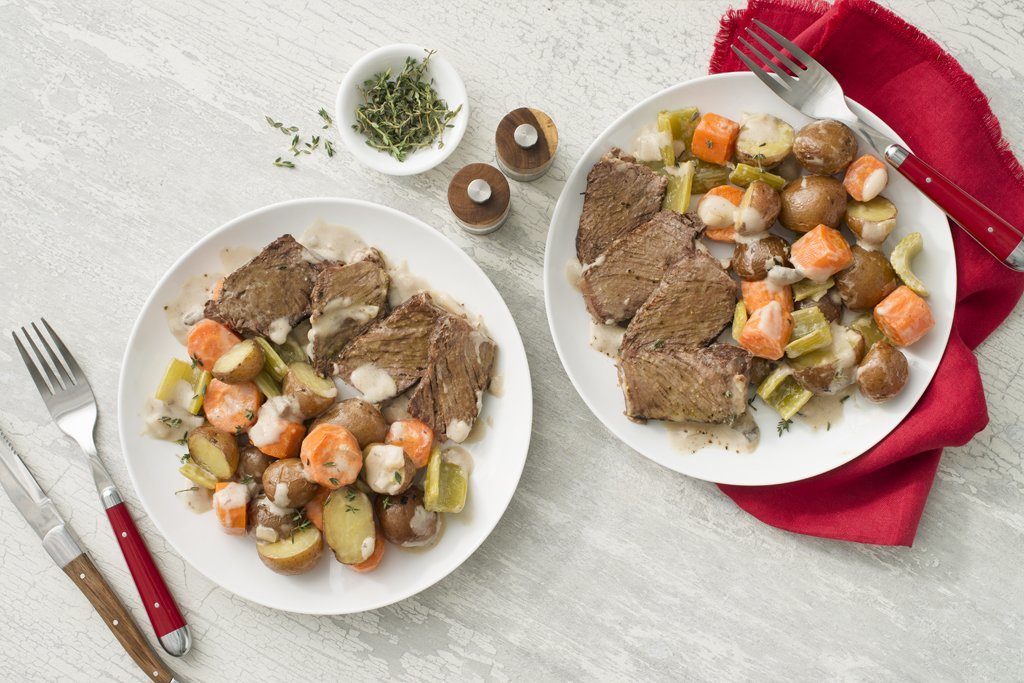
Simple Slow Cooker Pot Roast
- 3-4 lb beef chuck roast
- 4 carrots, cut into chunks
- 4 potatoes, quartered
- 1 onion, sliced
- 2 cups beef broth
- 2 tbsp tomato paste
- Salt, pepper, and herbs (thyme, rosemary)
- Season the roast with salt and pepper. Sear in a hot pan for extra flavor (optional).
- Place all vegetables in the bottom of the slow cooker. Lay the roast on top.
- Mix broth and tomato paste, then pour over the meat and veggies. Add herbs.
- Cook on low for 8-10 hours, until the meat is fork-tender.
- Let rest for 10 minutes before slicing. Serve with the vegetables and cooking juices.
For more on slicing meat for perfect presentation, see how to slice brisket.
Hearty Beef Stew: Comfort in a Bowl
Beef stew is another excellent choice for those new to slow cooking. It’s flexible, allowing you to use whatever vegetables you have on hand, and the results are always satisfying.

Easy Slow Cooker Beef Stew
- 2 lbs beef stew meat, cubed
- 3 carrots, sliced
- 3 potatoes, diced
- 2 celery stalks, chopped
- 1 onion, chopped
- 3 cups beef broth
- 2 tbsp tomato paste
- 2 tbsp flour (optional, for thickening)
- Salt, pepper, bay leaf, and thyme
- Season and brown the beef cubes in a skillet (optional for richer flavor).
- Add all ingredients to the slow cooker. Stir to combine.
- Cook on low for 8 hours, or until the beef is very tender.
- If you want a thicker stew, mash some potatoes into the broth or stir in a flour slurry during the last hour.
- Remove the bay leaf and serve hot.
Low and Slow Barbecue: Smoky Perfection for Beginners
Barbecue is the ultimate test of patience and technique, but it’s also accessible to newcomers with the right approach. Using a pellet smoker or grill, you can achieve smoky, tender results without constant attention. For a detailed breakdown of how to master this style, check out this comprehensive guide to low and slow barbecue.
Basic Smoked Pulled Pork
- 5-7 lb pork shoulder (Boston butt)
- Your favorite dry rub
- Wood pellets or chips (hickory, apple, or cherry)
- Generously coat the pork with dry rub. Let sit for at least 30 minutes.
- Preheat your smoker to 225°F (107°C).
- Place pork on the smoker and cook until internal temperature reaches 195–203°F (90–95°C), about 8–12 hours depending on size.
- Wrap in foil during the last few hours if you want to retain more moisture. For more on this, see the foil boat technique and steam effect in wrapped bbq.
- Let rest for at least 30 minutes, then shred and serve.
For tips on serving and slicing, you might also find this guide on cutting smoked ribs helpful.
Vegetarian Options for Low and Slow Cooking
Low and slow isn’t just for meat lovers. Many plant-based dishes benefit from gentle, extended cooking. Lentil stews, bean chilis, and vegetable ragouts all develop rich flavors and satisfying textures with time.
Slow Cooker Lentil Stew
- 2 cups dried lentils, rinsed
- 1 onion, chopped
- 2 carrots, diced
- 2 celery stalks, diced
- 1 can diced tomatoes
- 4 cups vegetable broth
- 2 cloves garlic, minced
- 1 tsp cumin, 1 tsp smoked paprika
- Salt and pepper to taste
- Add all ingredients to the slow cooker and stir well.
- Cook on low for 7-8 hours, until lentils are tender and flavors meld.
- Adjust seasoning and serve with crusty bread.
Frequently Asked Questions
What are the best cuts of meat for slow cooking?
Tougher cuts with more connective tissue are ideal, such as beef chuck, brisket, pork shoulder, and lamb shanks. These become tender and flavorful when cooked at low temperatures for several hours.
How do I know when my dish is done?
Use a meat thermometer for accuracy. For most slow-cooked meats, you’re looking for an internal temperature between 195–205°F (90–96°C) for shredding. For stews and vegetarian dishes, check that vegetables and legumes are soft and flavors are well developed.
Can I prepare these recipes ahead of time?
Absolutely. Most low and slow dishes taste even better the next day as flavors continue to meld. Store leftovers in airtight containers in the refrigerator for up to 4 days, or freeze for longer storage.
This article contains affiliate links. We may earn a commission at no extra cost to you.
This article contains affiliate links. We may earn a commission at no extra cost to you.
This article contains affiliate links. We may earn a commission at no extra cost to you.


