

Carolina BBQ slow cooking stands out as a beloved tradition, celebrated for its unique flavors and time-honored techniques. Rooted in the Carolinas, this style of barbecue is all about patience, smoke, and the perfect balance of tangy, savory, and sometimes spicy notes. Whether you’re a backyard enthusiast or a newcomer eager to master the craft, understanding the essentials of this method will help you achieve mouthwatering results every time.
Unlike other barbecue styles, Carolina methods emphasize low temperatures and extended cooking times, allowing tough cuts of meat to transform into tender, flavorful dishes. The region is also famous for its distinctive sauces—ranging from vinegar-based blends in the east to mustard-infused varieties in the south. Before diving into the specifics, it’s helpful to explore how these regional differences shape the overall experience. For a broader look at how slow cooking varies across the country, check out this guide on regional low and slow styles.
Understanding the Carolina Approach to Low and Slow Barbecue
At the heart of this tradition is the principle of cooking meat slowly over indirect heat. This process, often referred to as “low and slow,” is essential for breaking down collagen and rendering fat, resulting in exceptionally tender and juicy barbecue. The Carolinas are known for using pork—especially whole hog or pork shoulder—but beef and chicken can also be prepared using these methods.
One of the defining features of Carolina barbecue is the use of wood smoke. The choice of wood, such as hickory or oak, imparts a subtle yet distinct flavor profile. For those interested in experimenting with different woods, learning about low and slow firewood selection can help you find the perfect match for your taste preferences.
Essential Equipment for Authentic Results
While traditional pitmasters might use brick pits or offset smokers, modern home cooks can achieve excellent results with a variety of equipment. Here are some popular options for slow cooking Carolina-style barbecue:
- Charcoal Grills: With proper setup, these can maintain low temperatures for hours.
- Pellet Smokers: Offer precise temperature control and consistent smoke.
- Electric or Gas Smokers: Convenient and reliable for beginners.
- Slow Cookers: While not traditional, these are great for pulled pork and require minimal attention.
Regardless of the device, maintaining a steady temperature—usually between 225°F and 250°F—is crucial. For tips on setting up your grill or smoker for optimal results, see this comprehensive guide to easy smoking setups.
Signature Sauces and Seasonings of the Carolinas
One of the most exciting aspects of this regional barbecue is the variety of sauces and rubs. The Carolinas are divided into several distinct sauce regions:
- Eastern North Carolina: Known for its thin, tangy vinegar and pepper sauce, which enhances the natural flavor of the meat.
- Piedmont/Lexington Style: Adds a touch of ketchup to the vinegar base, creating a slightly sweeter and redder sauce.
- South Carolina: Famous for its golden mustard-based sauce, offering a tangy and slightly spicy kick.
Dry rubs are also common, typically featuring a blend of salt, black pepper, paprika, and sometimes brown sugar. These seasonings form a flavorful crust, or “bark,” during the slow cooking process. Curious about how this bark develops? Explore what causes bark formation for a deeper understanding.
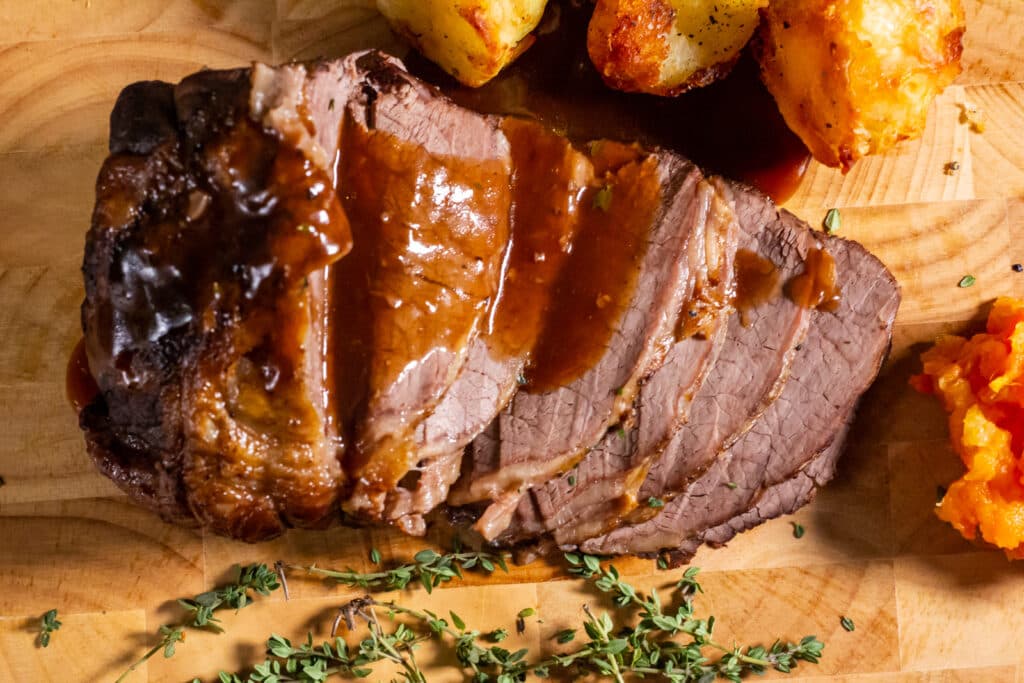
Step-by-Step Guide to Carolina-Style Slow Cooking
Achieving authentic barbecue flavor at home is easier when you follow a proven process. Here’s a straightforward approach to preparing pork shoulder using the low and slow technique:
- Prepare the Meat: Trim excess fat, but leave enough to keep the meat moist. Apply a generous amount of dry rub, pressing it into the surface.
- Set Up Your Cooker: Arrange your smoker or grill for indirect heat. Add your preferred wood chunks for smoke flavor.
- Maintain Temperature: Keep the heat steady between 225°F and 250°F. Use a reliable thermometer to monitor both the cooker and the meat.
- Slow Cook: Place the meat fat-side up and let it cook undisturbed. Depending on the size, this can take 8–12 hours.
- Baste and Rest: Spritz the meat with apple cider vinegar every few hours for moisture and flavor. Once the internal temperature reaches 195–205°F, remove and let it rest for at least 30 minutes before pulling or slicing.
For those interested in experimenting with different woods, check out the article on mesquite for slow cooking to see how it can influence your barbecue’s taste.
Tips for Perfecting Your Barbecue Experience
Mastering this style of barbecue requires attention to detail and a willingness to experiment. Here are some practical tips to help you get the most out of your next cookout:
- Monitor Smoke Quality: Aim for thin, blue smoke rather than thick, white plumes for a cleaner flavor.
- Use a Meat Thermometer: Accurate temperature readings prevent undercooked or dried-out meat.
- Rest the Meat: Allowing the meat to rest after cooking helps redistribute juices and enhances tenderness.
- Clean Your Equipment: Regular cleaning prevents buildup and off-flavors. For guidance, see this article on how to remove smoke residue.
Don’t be afraid to tweak your seasoning, wood selection, or cooking times to suit your preferences. Each batch is an opportunity to refine your technique and discover new flavors.
Serving and Enjoying Carolina-Style Barbecue
Once your meat is perfectly cooked, it’s time to serve. Traditional sides include coleslaw, hush puppies, cornbread, and pickles. Serve the barbecue chopped, pulled, or sliced, and offer a selection of regional sauces so guests can customize their plates. Leftovers make excellent sandwiches or can be frozen for future meals.
For those looking to expand their repertoire, exploring other regional low and slow styles can provide inspiration and new techniques to try at your next gathering.
Frequently Asked Questions
What is the best cut of meat for Carolina-style slow barbecue?
Pork shoulder (also known as Boston butt) is the most popular choice due to its fat content and flavor. Whole hog is traditional in some areas, but pork shoulder is more manageable for home cooks. Beef brisket and chicken can also be prepared using similar methods.
How do I maintain a consistent temperature during long cooks?
Use a reliable thermometer to monitor both the cooker and the meat. Pellet smokers and electric smokers offer precise control, while charcoal grills may require periodic adjustments. Adding a water pan can help stabilize temperature and humidity inside the cooker.
Can I use a slow cooker for authentic Carolina barbecue?
While a slow cooker won’t provide smoky flavor, it’s a convenient option for making tender pulled pork. To mimic traditional taste, add a few drops of liquid smoke and finish the meat with a Carolina-style sauce before serving.
This article contains affiliate links. We may earn a commission at no extra cost to you.
This article contains affiliate links. We may earn a commission at no extra cost to you.
This article contains affiliate links. We may earn a commission at no extra cost to you.


