

Preparing meat for slow cooking or smoking is an essential step in achieving tender, flavorful results. One of the most debated topics among barbecue enthusiasts and home cooks is fat trimming for low and slow methods. The right approach can mean the difference between juicy, melt-in-your-mouth bites and greasy, unbalanced dishes. Understanding how much fat to leave on, which parts to trim, and why it matters will help you get the best from your brisket, pork shoulder, ribs, and more.
Whether you’re using a smoker, slow cooker, or oven, the way you handle fat impacts not only the taste but also the texture and appearance of your finished dish. For those interested in refining their barbecue technique, exploring related topics like injecting meat before smoking can further enhance flavor and moisture retention.
Why Fat Matters in Slow Cooking and Smoking
Fat plays a crucial role in low and slow cooking. It acts as a natural insulator, helping to keep meat moist during long cooking times. As the fat renders, it bastes the meat, adding flavor and juiciness. However, too much fat can lead to greasy results, while too little may cause the meat to dry out. Striking the right balance is key for optimal texture and taste.
Different cuts of meat require different approaches. For example, brisket typically has a thick fat cap, while pork shoulder has marbling throughout. Understanding the structure of each cut will help you make informed decisions about trimming.
How Much Fat Should You Trim?
When preparing meat for slow cooking or smoking, the goal is to leave enough fat to enhance flavor and moisture without overwhelming the dish. Here are some general guidelines for fat trimming for low and slow techniques:
- Brisket: Trim the fat cap down to about 1/4 inch. This allows enough fat to render and baste the meat without leaving thick, chewy layers.
- Pork Shoulder: Remove any large, hard chunks of surface fat, but leave the internal marbling intact. The connective tissue and intramuscular fat will break down during cooking, contributing to tenderness.
- Ribs: Trim excess surface fat and remove the silverskin membrane from the bone side for better seasoning penetration and texture.
- Poultry: Remove large fat deposits and excess skin, especially around the cavity, but keep enough skin to protect the meat during cooking.
Remember, the rendered fat will collect at the bottom of your cooker or smoker. If you leave too much, it can make the finished product greasy and mask the flavors you’ve worked hard to develop.
Tools and Techniques for Effective Fat Trimming
Having the right tools makes fat trimming safer and more efficient. A sharp boning or fillet knife is ideal for precise cuts. Always trim on a stable cutting board, and work with cold meat, as fat is firmer and easier to handle when chilled.
Here’s a step-by-step approach:
- Pat the meat dry with paper towels to reduce slipping.
- Identify thick fat caps and hard, waxy fat deposits. These do not render well and should be trimmed away.
- Use your knife to gently separate fat from the muscle, angling the blade away from the meat to avoid waste.
- For marbled cuts, avoid digging into the muscle to remove internal fat—this is what keeps the meat juicy during long cooks.
Take your time. Over-trimming can result in dry, flavorless meat, while under-trimming may leave unpleasantly fatty bites.
Fat Trimming for Different Cooking Methods
The best approach to fat trimming for low and slow depends on your chosen cooking method:
- Smoking: Leaving a thin fat cap on top helps shield the meat from direct heat and smoke, allowing for gradual rendering. For tips on setting up your smoker, see this guide to easy smoking setups.
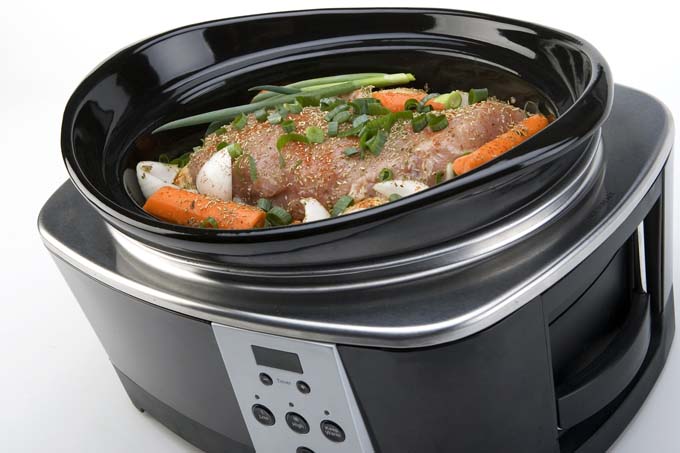
- Slow Cooker: Since the meat sits in its own juices, excess fat can make the dish greasy. Trim more aggressively, especially on cuts like chuck roast or pork butt.
- Oven Roasting: A moderate fat layer can help with self-basting, but too much will pool in the pan and affect browning.
Adapting your trimming strategy to the cooking environment ensures the best possible results, whether you’re preparing barbecue classics or comforting stews.

Common Mistakes to Avoid When Prepping Meat
Even experienced cooks can make errors when preparing meat for slow cooking. Here are some pitfalls to watch out for:
- Leaving too much fat: Excess fat can make the final dish greasy and unappetizing.
- Over-trimming: Removing all the fat can result in dry, tough meat, especially in long cooks.
- Ignoring connective tissue: Some connective tissue breaks down beautifully during slow cooking, adding to the texture. Don’t remove it unless it’s thick and gristly.
- Not removing silverskin: This tough, shiny membrane doesn’t break down and should be trimmed off for better texture and flavor absorption.
For those cooking outdoors, be mindful of seasonal challenges. If you’re interested in adapting your technique for different weather conditions, check out advice on cold weather low and slow cooking.
Tips for Maximizing Flavor and Moisture
Proper fat trimming is just one part of the equation. Here are additional tips to ensure your low and slow dishes are as flavorful and juicy as possible:
- Season generously: With less surface fat, seasonings can penetrate deeper into the meat.
- Monitor temperature: Use a reliable thermometer to avoid overcooking and drying out the meat.
- Rest the meat: After cooking, let your meat rest so juices redistribute, resulting in a more succulent bite.
- Experiment with injections: For extra flavor and moisture, consider techniques like injecting meat before smoking.
With practice, you’ll develop a feel for how much fat to leave on each cut and how to adapt your approach for different recipes and cooking methods.
Frequently Asked Questions
Should I Always Trim Fat Before Slow Cooking?
It’s best to trim thick, hard fat caps and any large deposits that won’t render during cooking. However, leaving some fat and marbling is important for flavor and moisture, especially with tougher cuts.
Does Fat Render Completely During Low and Slow Cooking?
Not all fat renders fully. Soft, marbled fat within the muscle will melt and baste the meat, while thick, waxy fat caps may remain partially intact and should be trimmed to about 1/4 inch or less for best results.
Can I Use the Trimmed Fat for Other Purposes?
Yes, trimmed fat can be rendered into tallow or lard for cooking, or used to add flavor to beans, stews, or vegetables. Just be sure to remove any silverskin or gristle before repurposing.
What’s the Best Way to Trim Fat for Smoking?
For smoking, leave a thin, even layer of fat to protect the meat and enhance flavor. Trim away any thick or uneven patches, and always remove silverskin for better smoke penetration and texture.
Conclusion
Mastering fat trimming for low and slow cooking is a valuable skill for any barbecue or slow-cooking enthusiast. The right balance of fat ensures juicy, flavorful results without excess greasiness. By understanding your meat cuts, using the proper tools, and adapting your approach to your cooking method, you’ll consistently achieve delicious, crowd-pleasing dishes. For more tips and techniques, explore related topics like summer smoking challenges and low and slow cooking safety to round out your knowledge and skills.
This article contains affiliate links. We may earn a commission at no extra cost to you.
This article contains affiliate links. We may earn a commission at no extra cost to you.
This article contains affiliate links. We may earn a commission at no extra cost to you.


