

Perfectly cooked meat is juicy, tender, and flavorful. However, many home cooks and grill enthusiasts struggle with dryness, especially when preparing larger cuts or lean proteins. Understanding how to avoid drying meat is essential for anyone who wants to serve delicious, succulent dishes every time. This guide covers the main causes of dryness, practical cooking methods, and essential tips to keep your meat moist whether you’re roasting, grilling, or smoking.
Whether you’re a beginner or an experienced cook, learning how to maintain moisture will elevate your results. Along the way, we’ll highlight common mistakes, the best tools for monitoring doneness, and expert-approved techniques for every type of meat.
For those interested in mastering low and slow techniques, understanding what temperature is low and slow is a great starting point. This foundational knowledge helps prevent overcooking and dryness, especially during longer cooking sessions.
Common Causes of Dry Meat
Dryness often results from a combination of factors. Recognizing these pitfalls is the first step toward juicier results:
- Overcooking: Exposing meat to high heat for too long causes moisture loss and tough texture.
- Insufficient Fat: Lean cuts, such as chicken breast or pork loin, dry out faster because they lack marbling.
- Improper Resting: Cutting into meat immediately after cooking lets juices escape instead of redistributing.
- Incorrect Cooking Methods: Using dry-heat techniques without moisture or basting can accelerate dehydration.
- Thin Slices: Slicing meat too thinly, especially before resting, increases surface area and moisture loss.
Best Cooking Techniques for Moisture Retention
Choosing the right method is crucial for keeping meat juicy. Here are some proven approaches:
- Low and Slow Cooking: Gentle heat breaks down connective tissue without rapid moisture loss. This is ideal for tough cuts like brisket or pork shoulder. For more on this, see our guide on low and slow cooking mistakes.
- Braising: Cooking in liquid (such as broth or wine) adds flavor and prevents drying, especially for lean or tough cuts.
- Reverse Searing: Slow-cook meat to just below the target temperature, then finish with a hot sear for a flavorful crust and juicy interior.
- Smoking: Using indirect heat and smoke at controlled temperatures infuses flavor while preserving moisture. Learn more about smoker setup in this easy smoking guide.
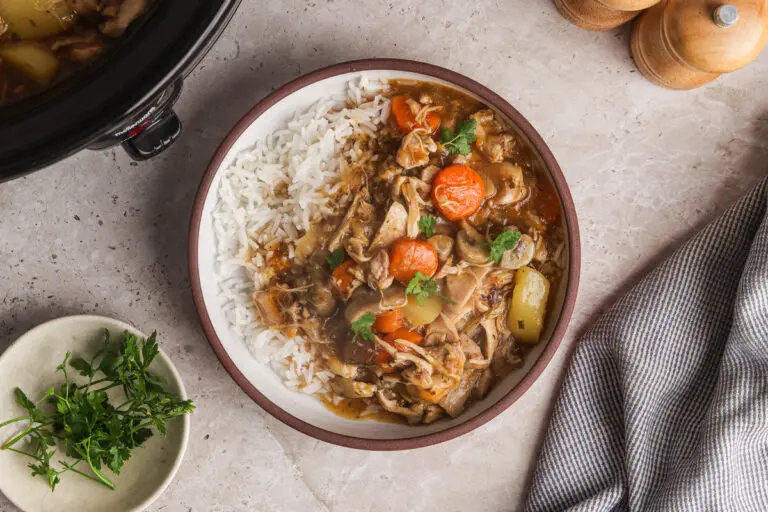
- Slow Cookers: These appliances use moist heat, making them perfect for stews, pulled meats, and casseroles.

Essential Tips to Prevent Dryness
Follow these practical steps to ensure juicy, flavorful results every time you cook:
- Monitor Internal Temperature: Use a reliable thermometer to check doneness. Overcooking is the most common cause of dry meat. For guidance, see our article on ideal temp for smoking meat.
- Let Meat Rest: After cooking, let your protein rest for at least 5–15 minutes (depending on size). This allows juices to redistribute, resulting in a moister bite.
- Brine or Marinate: Soaking meat in a saltwater solution or marinade before cooking helps it retain moisture and enhances flavor.
- Use Fat Wisely: Baste with butter, oil, or pan drippings during cooking to add moisture and flavor, especially for lean cuts.
- Slice Against the Grain: Cutting meat across the muscle fibers shortens them, making each bite more tender and juicy.
- Control Heat: Avoid high, direct heat for extended periods. Instead, use indirect heat or lower temperatures for even cooking. For more tips, check out our advice on how to control grill temperature.
Moisture-Retaining Methods for Different Meats
Different proteins require unique approaches to keep them juicy. Here’s how to adapt your technique:
| Meat Type | Best Moisture Strategy |
|---|---|
| Chicken Breast | Brine before cooking, use indirect heat, and avoid overcooking. |
| Pork Loin | Marinate or brine, cook at lower temperatures, and rest before slicing. |
| Beef Brisket | Cook low and slow, wrap in foil or butcher paper partway through, rest for at least 30 minutes. |
| Fish | Use parchment or foil packets, add a splash of citrus or oil, and cook just until opaque. |
| Lamb | Marinate, cook to medium-rare or medium, and let rest before serving. |
Tools and Accessories That Help Lock in Juices
Having the right gear can make a big difference in moisture retention:
- Wireless Meat Thermometer: Monitors internal temperature without opening the oven or grill, preventing heat and moisture loss.
- Pellet Smoker Grill: Maintains consistent, gentle heat for slow cooking and smoking.
- Foil and Butcher Paper: Wrapping meat during part of the cooking process (the “Texas Crutch”) helps retain steam and moisture.
- Basting Tools: Brushes and spoons for applying pan juices or melted butter during cooking.
Expert Advice for Consistently Juicy Results
Consistency comes from practice and attention to detail. Here are some final pointers:
- Always use a thermometer rather than guessing doneness by appearance or touch.
- Don’t skip the resting period; it’s as important as the cooking itself.
- Experiment with brines and marinades to add both flavor and moisture.
- For grilling and smoking, maintain a steady temperature and avoid frequent lid opening. For tips on stability, see our resource on how to stabilize smoker temperature.
- When using dry-heat methods, consider basting or adding a water pan to the oven or grill to increase humidity.
Frequently Asked Questions
What’s the best way to keep chicken breast from drying out?
Brining chicken breast before cooking, using indirect heat, and removing it from heat as soon as it reaches 165°F are the most effective strategies. Letting it rest before slicing also helps lock in juices.
How do I know when meat is done without overcooking?
Using a meat thermometer is the most reliable method. Each type of meat has a recommended internal temperature for safety and optimal juiciness. Avoid relying solely on color or texture, as these can be misleading.
Does marinating really help keep meat moist?
Yes, marinating can help retain moisture, especially if the marinade contains salt (which acts as a brine). Acidic ingredients like vinegar or citrus also help tenderize, but don’t over-marinate as this can break down texture.
Is it better to cook meat covered or uncovered?
Cooking covered (with foil, a lid, or in a slow cooker) traps steam and moisture, making it ideal for lean or tough cuts. For a crispy crust, you can finish uncovered at the end of cooking.
Why does resting meat make such a difference?
Resting allows juices that have moved to the surface during cooking to redistribute throughout the meat. Cutting too soon lets those juices escape, resulting in a drier final product.
This article contains affiliate links. We may earn a commission at no extra cost to you.


