
What Temperature Is Low and Slow
Written By James Morgan
Cooking "low and slow" is a time-honored technique cherished by barbecue enthusiasts, home cooks, and professional chefs alike. This method involves using a gentle heat over an extended period to transform tough cuts of meat into tender, flavorful dishes. But for many, the question remains: what temperature is low and slow, and how can you achieve the best results with this approach?
Understanding the right temperature range and the science behind this method is essential for anyone looking to master slow cooking, whether in a smoker, oven, or slow cooker. This guide will break down the ideal heat levels, the benefits of this style, and how to apply it across various cooking appliances. If you're looking to refine your technique, you may also want to explore resources like the low and slow temperature guide for more detailed charts and advice.
Defining the Low and Slow Temperature Range
At its core, the "low and slow" method refers to cooking food at a relatively low temperature for a prolonged period. But what does "low" actually mean in terms of degrees? For most applications, the ideal range falls between 200°F and 275°F (93°C to 135°C). This range is low enough to break down connective tissues in meat without drying it out or causing it to toughen.
Here’s a quick breakdown of typical temperature targets for different appliances:
- Smokers and Barbecues: 225°F to 250°F (107°C to 121°C) is the sweet spot for brisket, pork shoulder, ribs, and other large cuts.
- Ovens: 200°F to 275°F (93°C to 135°C) works well for roasts and braises.
- Slow Cookers: The "low" setting usually maintains a temperature around 190°F to 200°F (88°C to 93°C), while "high" is closer to 300°F (149°C).
Maintaining a consistent temperature is crucial for this method. If you’re interested in more precise control, check out guides on how to control grill temperature and how to stabilize smoker temperature for actionable tips.
Why Low and Slow Cooking Works
The science behind slow cooking is all about breaking down collagen and connective tissue in tougher cuts of meat. When exposed to gentle heat over several hours, collagen converts to gelatin, resulting in a moist, tender texture that’s hard to achieve with high-heat methods. This process also allows flavors to develop more fully, making dishes richer and more complex.
Additionally, cooking at lower temperatures minimizes the risk of burning or overcooking the exterior while the interior remains underdone. This is especially important for large cuts like brisket or pork shoulder, which benefit from gradual heat penetration.
Appliance-Specific Temperature Guidelines
The definition of "low and slow" can vary slightly depending on your cooking equipment. Here’s how to approach it with different appliances:
Smokers and Grills
For traditional barbecue, maintaining a steady 225°F to 250°F is ideal. This temperature range allows smoke to infuse the meat while slowly rendering fat and breaking down tough fibers. Using wood chunks or chips can enhance flavor—see this comparison of wood chunks vs chips for smoking for more insights.
Ovens
When using an oven, set the temperature between 200°F and 275°F. This is perfect for braising roasts, making pulled pork, or slow-cooking stews. The enclosed environment helps retain moisture, which is crucial for tender results.
Slow Cookers
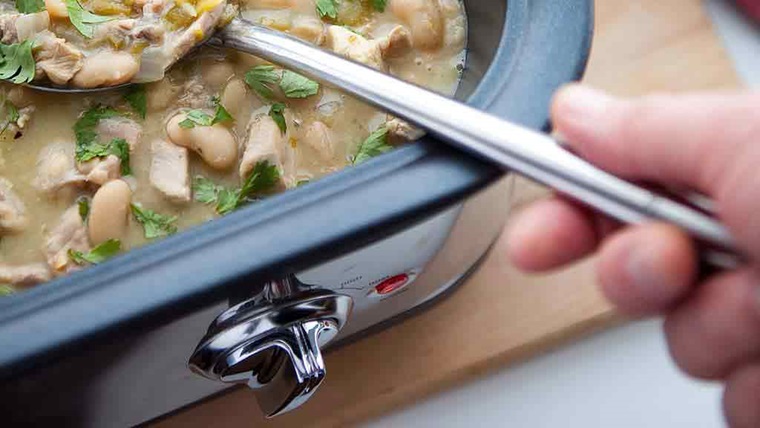
Most slow cookers have "low" and "high" settings. The "low" setting typically hovers around 190°F to 200°F, which is perfect for all-day cooking. This gentle heat is ideal for soups, stews, and braised dishes, allowing flavors to meld and ingredients to soften without boiling.
Tips for Achieving Consistent Low and Slow Results
Getting the most out of this cooking style requires attention to detail and a few helpful tools. Here are some practical tips:
- Use a Reliable Thermometer: An accurate thermometer is essential for monitoring both the ambient temperature and the internal temperature of your food. Consider a wireless meat thermometer for convenience.
- Preheat Your Equipment: Allow your smoker, grill, or oven to reach the desired temperature before adding food. This helps maintain a steady environment from the start.
- Monitor and Adjust: Especially with charcoal or wood-fired smokers, keep an eye on the heat source and adjust vents or add fuel as needed to stay within the target range.
- Don’t Rush: The beauty of low and slow cooking is in the patience. Allow enough time for the process—rushing can lead to tough, dry results.
For more detailed advice, check out these low and slow smoking tips to help you avoid common pitfalls and elevate your barbecue game.
Common Dishes and Their Ideal Temperatures
Different recipes and cuts of meat benefit from specific temperature targets within the low and slow range. Here are a few popular examples:
| Dish/Cut | Recommended Temp (°F) | Typical Cook Time |
|---|---|---|
| Beef Brisket | 225–250 | 10–16 hours |
| Pork Shoulder (Pulled Pork) | 225–250 | 8–12 hours |
| Pork Ribs | 225–250 | 5–6 hours |
| Whole Chicken | 250–275 | 3–4 hours |
| Chuck Roast | 225–250 | 6–8 hours |
These times and temperatures are guidelines; always use a thermometer to check for doneness, especially with large cuts of meat.
Benefits and Challenges of Cooking at Lower Temperatures
There are several advantages to using this technique:
- Superior Tenderness: Tough cuts become melt-in-your-mouth tender.
- Enhanced Flavor: Slow cooking allows spices, smoke, and marinades to deeply penetrate the food.
- Moisture Retention: Lower heat reduces the risk of drying out meat.
However, there are also challenges:
- Time Commitment: Meals can take several hours or even overnight.
- Temperature Fluctuations: Maintaining a steady heat source can be tricky, especially with charcoal or wood.
- Planning Ahead: This method requires forethought and patience.
For a comprehensive overview of the process, you may find this guide to slow cooking and low and slow barbecue helpful.
Frequently Asked Questions
Can I cook all types of meat using the low and slow method?
While this approach is especially beneficial for tougher cuts like brisket, pork shoulder, and ribs, it can also be used for poultry and some fish. However, lean cuts may dry out if cooked too long at low temperatures, so adjust timing accordingly.
How do I know when my meat is done?
Use a meat thermometer to check the internal temperature. For example, pulled pork is typically ready at 195°F to 205°F, while brisket is done around 200°F to 205°F. Always rest meat after cooking for optimal juiciness.
Is it safe to cook at such low temperatures?
Yes, as long as the cooking temperature stays above 140°F (60°C) and food is brought to a safe internal temperature. Using a reliable thermometer and following recommended guidelines ensures food safety.
This article contains affiliate links. We may earn a commission at no extra cost to you.


