

Enjoying the rich flavors of smoked brisket, ribs, or chicken is one of the highlights of backyard barbecuing and low and slow cooking. However, knowing how to store smoked meat properly is just as important as the smoking process itself. Safe storage preserves taste, texture, and, most importantly, food safety. Whether you’re prepping for leftovers or planning ahead for meal prep, understanding the right storage techniques will help you get the most out of every smoky bite.
Proper storage methods depend on the type of meat, how long you plan to keep it, and whether you want to refrigerate, freeze, or even vacuum seal your smoked creations. In this guide, we’ll cover best practices, safety tips, and common mistakes to avoid. For more on safe cooking practices, check out low and slow cooking safety for comprehensive advice on temperature control and food handling.
Why Proper Storage Matters for Smoked Meats
Storing smoked proteins correctly is crucial for several reasons. First, it prevents the growth of harmful bacteria that can cause foodborne illness. Second, it helps retain the smoky aroma and moisture, so your leftovers taste just as good as when they came off the grill. Lastly, it minimizes waste by extending the shelf life of your hard-earned barbecue.
Improper storage can lead to spoilage, off-flavors, and even dangerous pathogens. Smoked foods, while partially preserved by the smoking process, are not immune to contamination. Following the right steps ensures your meals remain safe and delicious.
Cooling and Preparing Smoked Meat for Storage
Before you even think about refrigeration or freezing, it’s important to cool your smoked dishes safely. After removing meat from the smoker, let it rest at room temperature for no more than two hours. If the ambient temperature is above 90°F (32°C), reduce this window to one hour to prevent bacterial growth.
For large cuts, such as brisket or pork shoulder, consider slicing or portioning before storing. This helps the meat cool faster and makes reheating more convenient. Always use clean utensils and containers to avoid cross-contamination.
Short-Term Storage: Refrigeration Tips
For leftovers you plan to eat within a few days, refrigeration is the best option. Place the cooled meat in airtight containers or wrap tightly with aluminum foil or plastic wrap. This prevents the meat from drying out and stops it from absorbing other odors in the fridge.
Label containers with the date so you can keep track of freshness. Most smoked meats will stay safe in the refrigerator for up to four days. If you’re storing a variety of cuts, keep poultry and pork separate from beef to avoid flavor transfer and cross-contamination.
Long-Term Storage: Freezing Smoked Meats
If you want to keep your smoked dishes for more than a few days, freezing is the way to go. For best results, use freezer-safe bags or vacuum sealers to lock in flavor and moisture. Remove as much air as possible to prevent freezer burn, which can ruin texture and taste.
Divide meat into meal-sized portions before freezing. This makes it easier to thaw only what you need. Label each package with the date and type of meat. Most smoked products can be frozen for up to three months without significant loss of quality. For tips on maintaining flavor, consider reading about ways to add smoke flavor to your cooking.
Vacuum Sealing and Other Storage Methods
Vacuum sealing is one of the most effective ways to extend the shelf life of smoked meats. By removing air, you reduce the risk of freezer burn and keep the smoky aroma locked in. If you don’t have a vacuum sealer, double wrapping with plastic wrap and then foil is a good alternative.
Some enthusiasts also use glass containers or heavy-duty plastic containers for storage. While these work well for refrigeration, they are less effective for long-term freezing unless paired with airtight seals.

Reheating and Serving Stored Smoked Meats
When you’re ready to enjoy your stored barbecue, proper reheating is key to preserving moisture and flavor. Thaw frozen meat in the refrigerator overnight. Avoid thawing at room temperature, as this can encourage bacterial growth.
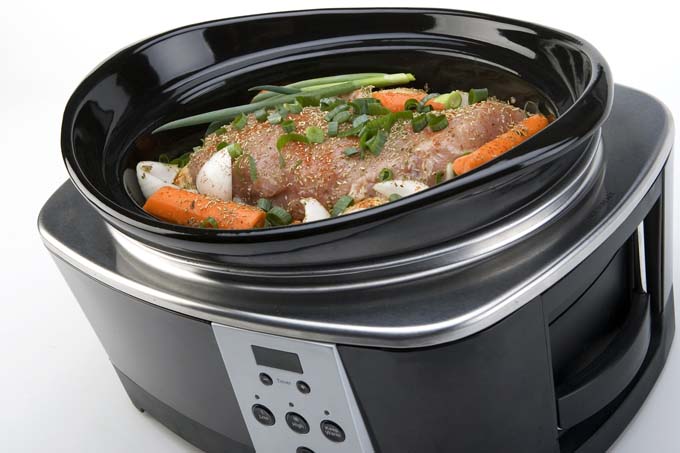
To reheat, use a low oven (around 250°F/120°C) or a slow cooker with a splash of broth or water to prevent drying out. For sliced meats, wrapping in foil helps retain juiciness. Always check that the internal temperature reaches at least 165°F (74°C) before serving.
Common Mistakes to Avoid
- Leaving smoked meat at room temperature for too long before storage.
- Storing in containers that aren’t airtight, leading to dryness and odor absorption.
- Not labeling packages, which can result in forgotten leftovers and unnecessary waste.
- Freezing large, unsliced cuts, which take longer to thaw and may lose texture.
- Reheating too quickly or at too high a temperature, causing the meat to dry out.
Additional Tips for Storing Smoked Meat
- Use a wireless meat thermometer to ensure safe internal temperatures before storing.
- Store sauces and sides separately to maintain texture and flavor.
- Consider portioning into single servings for easy meal prep and lunchboxes.
- For outdoor events, use coolers with plenty of ice packs if refrigeration isn’t available.
- Keep an eye on the weather—cold weather low and slow cooking can affect cooling times and storage needs.
FAQ
How long can smoked meat be kept in the refrigerator?
Most smoked meats can be safely stored in the fridge for up to four days. Make sure to use airtight containers and label them with the storage date for best results.
Can you freeze smoked meats, and will they lose flavor?
Yes, smoked meats freeze well if wrapped tightly or vacuum sealed. While some loss of texture or smokiness can occur over time, most cuts retain excellent flavor for up to three months in the freezer.
What’s the safest way to reheat smoked leftovers?
Thaw frozen portions in the refrigerator, then reheat slowly in a low oven or slow cooker with a bit of moisture. Ensure the internal temperature reaches at least 165°F (74°C) before serving.
Should smoked meat be sliced before storing?
Slicing before storage helps the meat cool faster and makes portioning easier. It also allows for more even reheating and reduces the risk of bacterial growth in large cuts.
Are there any special considerations for storing smoked poultry?
Smoked poultry should be handled with extra care due to its higher risk of spoilage. Always cool quickly, store in airtight containers, and consume within three to four days for best safety and flavor.
This article contains affiliate links. We may earn a commission at no extra cost to you.
This article contains affiliate links. We may earn a commission at no extra cost to you.


