

Mastering an indirect cooking setup is essential for anyone looking to elevate their grilling or barbecue skills. Unlike direct grilling, where food sits right above the heat source, this method uses indirect heat to cook food slowly and evenly. This approach is ideal for larger cuts of meat, delicate proteins, and recipes that benefit from gentle, consistent heat. Whether you’re using a charcoal grill, gas grill, or a smoker, understanding how to arrange your fuel and manage temperature is the key to achieving tender, flavorful results.
Indirect heat techniques are especially popular for slow-cooked classics like brisket, pork shoulder, and whole poultry. By keeping your food away from direct flames, you reduce the risk of burning and allow smoke and heat to circulate, infusing your dishes with rich, smoky flavors. For those interested in learning more about safe practices, be sure to check out low and slow cooking safety for essential tips on temperature control and food handling.
What Is Indirect Heat Cooking?
Indirect heat cooking is a method where food is placed away from the direct source of heat. Instead of sitting directly above burning coals or active burners, your ingredients are positioned to the side, allowing ambient heat to cook them gently. This technique is particularly useful for recipes that require longer cooking times or for foods that can easily dry out or burn when exposed to intense heat.
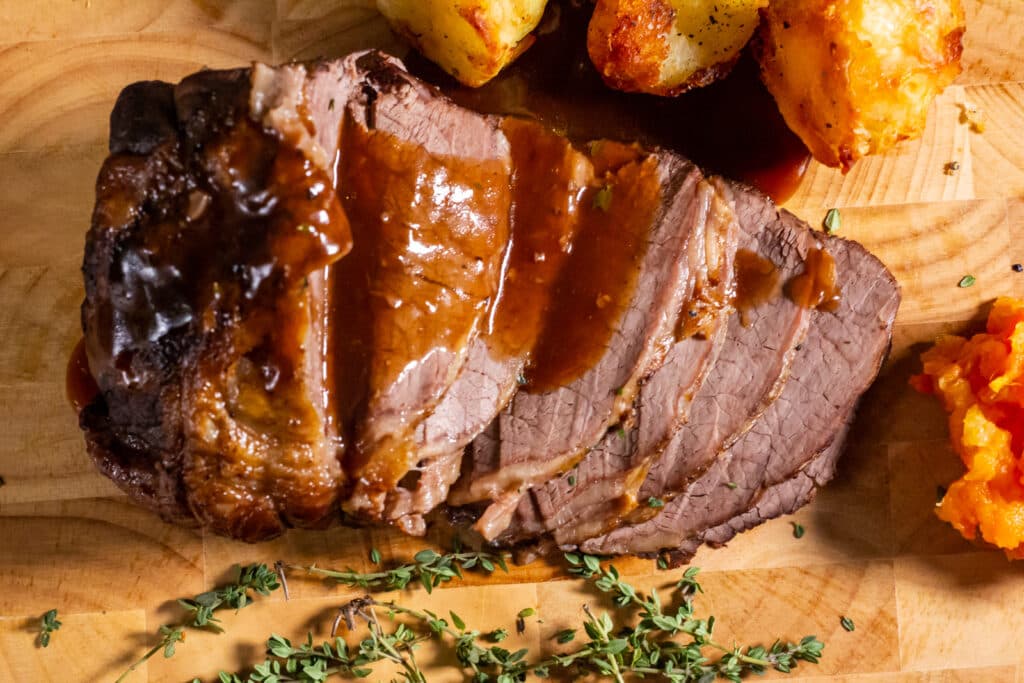
For example, when preparing a whole chicken or a large roast, using an indirect approach ensures the exterior doesn’t char before the inside is fully cooked. The result is juicy, tender meat with a beautifully developed crust or bark.
Setting Up Your Grill for Indirect Cooking
Getting your grill ready for indirect heat depends on the type of grill you have. Here’s how to arrange your setup for both charcoal and gas grills:
- Charcoal Grills: Push hot coals to one or both sides of the grill, leaving a cooler zone in the center. Place a drip pan in the middle to catch juices and prevent flare-ups.
- Gas Grills: Turn on burners on one side (or the outer burners if you have three or more), leaving the center or opposite side off. Food goes over the unlit burners, and a drip pan can be set underneath.
Maintaining a steady temperature is crucial. Use the grill’s vents and lid to control airflow and heat. A reliable thermometer helps you monitor the cooking chamber, ensuring your food cooks evenly without overcooking or drying out.
Benefits of Using an Indirect Cooking Arrangement
There are several advantages to using an indirect cooking setup:
- Even Cooking: Food cooks more uniformly, reducing the risk of burnt outsides and raw insides.
- Juicier Results: Slow, gentle heat helps retain moisture, especially in large cuts of meat.
- Versatility: Perfect for roasting, baking, and smoking, allowing you to prepare a wide range of dishes.
- Enhanced Flavor: The extended cooking time allows smoke and seasoning to penetrate deeply.
Indirect heat is also ideal for recipes that require basting or glazing, as the lower temperatures prevent sugars from burning while still allowing flavors to develop.
Popular Foods to Cook with Indirect Heat
Many classic barbecue and grilling recipes rely on indirect heat for the best results. Here are some favorites:
- Whole chickens and turkeys
- Pork shoulders and ribs
- Beef brisket
- Large fish fillets or whole fish
- Vegetables that need slow roasting
- Baked goods like bread or pizza (using a pizza stone)
For inspiration on regional barbecue styles that use this method, explore guides like texas style low and slow and carolina bbq slow cooking.
Tips for Mastering Indirect Heat Cooking
To get the most out of your indirect grilling experience, keep these practical tips in mind:
- Preheat Your Grill: Allow your grill to reach the desired temperature before adding food.
- Use a Drip Pan: Place a pan under the food to catch drippings and prevent flare-ups. You can even add water, broth, or beer to the pan for extra moisture and flavor.
- Monitor Temperature: Invest in a wireless meat thermometer to track internal food temps without lifting the lid too often.
- Keep the Lid Closed: Resist the urge to peek. Opening the lid releases heat and smoke, slowing the cooking process.
- Add Wood Chips: For a smoky flavor, toss soaked wood chips onto the coals or use a smoker box on a gas grill.
These simple adjustments can make a big difference in the quality of your finished dishes.
Common Mistakes to Avoid
Even experienced grillers can run into trouble with indirect heat if they overlook a few basics:
- Too Much Heat: If your grill is too hot, food can still burn. Aim for a steady, moderate temperature (usually 225–300°F for most slow-cooked recipes).
- Poor Airflow: Make sure vents are open enough to allow for proper circulation, but not so much that heat escapes too quickly.
- Inconsistent Fuel: For charcoal grills, add fresh coals as needed to maintain heat during long cooks.
- Skipping Rest Time: Let meat rest after cooking to allow juices to redistribute for maximum tenderness.
For more advice on adapting your technique to different seasons, see cold weather low and slow cooking and summer smoking challenges.
Tools and Accessories for Better Results
While you can achieve great results with basic equipment, a few tools can make indirect grilling easier and more consistent:
- Pellet Smoker Grill: Offers precise temperature control and steady smoke for long cooks.
- Wireless Meat Thermometer: Allows you to monitor internal temperatures from a distance, ensuring perfect doneness.
- Charcoal Baskets or Dividers: Help arrange coals for even heat distribution.
- Drip Pans: Essential for catching juices and preventing messes.
- Long-Handled Tongs and Spatulas: Make it easy to move food without exposing your hands to heat.
If you’re looking to upgrade your gear, consider exploring pellet grills and wireless thermometers for more control and convenience.
Learning from the Pros
Many pitmasters and barbecue enthusiasts rely on indirect heat for their signature dishes. If you want to dive deeper into the art of low and slow barbecue, check out resources like this guide to becoming a low and slow charcoal BBQ pitmaster. These expert tips can help you refine your technique and troubleshoot common challenges.
Frequently Asked Questions
How do I know if my grill is set up for indirect heat?
For charcoal grills, the coals should be pushed to the sides or arranged in a ring, leaving the center free of direct heat. On gas grills, only some burners are turned on, and food is placed over the unlit section. Always use a thermometer to check that the area where food sits is at the desired indirect temperature.
What temperature should I aim for when using an indirect setup?
Most slow-cooked recipes work best between 225°F and 300°F. This range allows large cuts of meat to cook through without burning. Use a grill thermometer to monitor the temperature throughout the cook.
Can I use indirect heat for vegetables and seafood?
Absolutely. Indirect heat is great for roasting vegetables, baking potatoes, and cooking delicate fish fillets. The gentle heat prevents overcooking and helps retain moisture and flavor.
This article contains affiliate links. We may earn a commission at no extra cost to you.
This article contains affiliate links. We may earn a commission at no extra cost to you.
This article contains affiliate links. We may earn a commission at no extra cost to you.


