

Preparing meals using the low and slow method is a time-tested approach for creating flavorful, tender dishes while making meal prep easier and more efficient. By cooking food at a lower temperature over a longer period, you can unlock deep flavors, achieve perfect textures, and simplify your weekly cooking routine. Whether you’re a busy professional, a home cook looking to batch-cook for the week, or someone who wants to explore new ways to enhance your meals, these low and slow meal prep ideas offer practical solutions for delicious, stress-free eating.
Low and slow techniques work particularly well for tougher cuts of meat, beans, stews, and even some vegetables. Not only do these methods maximize taste, but they also allow you to prepare large quantities at once, making them ideal for meal prepping. If you’re interested in learning more about the safety aspects of these methods, check out this guide on low and slow cooking safety for essential tips.
Why Choose Low and Slow for Meal Prep?
There are several reasons why slow-cooked meal prep is gaining popularity. First, it’s a hands-off approach: once your ingredients are in the pot, oven, or smoker, you can focus on other tasks. Second, this method is budget-friendly, as it transforms inexpensive ingredients into mouthwatering meals. Third, slow cooking enhances food safety by ensuring thorough cooking, especially for meats and legumes.
For those living in colder climates, cold weather low and slow cooking can be especially comforting, filling your home with inviting aromas and hearty flavors.
Essential Equipment for Slow Cooking Success
To make the most of your slow-cooked meal prep, having the right equipment is key. Here are some essentials:
- Slow Cooker or Crockpot: Perfect for set-and-forget meals like stews, soups, and casseroles.
- Pellet Smoker Grill: Ideal for outdoor enthusiasts who want to infuse smoky flavors into meats and vegetables.
- Oven: Great for braising large cuts of meat or roasting vegetables at low temperatures.
- Wireless Meat Thermometer: Ensures your proteins reach the perfect doneness without guesswork.
For more on the science behind this method, see this comprehensive guide to low and slow cooking.
Top Low and Slow Batch Cooking Ideas
Batch cooking with slow methods can transform your weekly meal prep. Here are some practical dishes to consider:
- Beef or Pork Shoulder: Cooked low and slow, these cuts become incredibly tender and are perfect for shredding into tacos, sandwiches, or rice bowls.
- Chicken Thighs: Slow-cooked in a flavorful sauce, chicken thighs stay juicy and can be used in salads, wraps, or grain bowls.
- Vegetarian Chili: Beans, lentils, and vegetables simmered for hours develop rich, satisfying flavors and keep well for days.
- Root Vegetable Stew: Carrots, potatoes, parsnips, and onions braised with herbs make a hearty, nutritious base for multiple meals.
- Brisket: A classic for low and slow, brisket can be sliced for sandwiches or served with roasted vegetables.

Meal Prep Tips for Low and Slow Recipes
To get the most out of your slow-cooked dishes, consider these practical tips:
- Prep Ingredients in Advance: Chop vegetables, measure spices, and trim meats the night before to save time in the morning.
- Double Up: Make larger batches and freeze portions for future meals.
- Layer Flavors: Brown meats and sauté aromatics before slow cooking to deepen the overall taste.
- Use Airtight Containers: Store cooked meals in airtight containers to maintain freshness throughout the week.
- Label and Date: Clearly label and date your prepped meals to keep track of what’s in your fridge or freezer.
For those interested in regional flavors, explore Texas style low and slow or Carolina BBQ slow cooking for inspiration on classic barbecue and slow-cooked dishes from different parts of the country.
Popular Dishes for Slow Cooking Meal Prep
Here are a few crowd-pleasing recipes that work beautifully with the low and slow approach:
- Slow Cooker Pulled Pork: Rub a pork shoulder with spices, cook for 8–10 hours, and shred for sandwiches, tacos, or salads.
- Hearty Beef Stew: Combine beef cubes, potatoes, carrots, and onions in a slow cooker with broth and herbs for a comforting meal.
- Vegetable Curry: Slow-cook a mix of vegetables and chickpeas in coconut milk and curry paste for a satisfying vegetarian option.
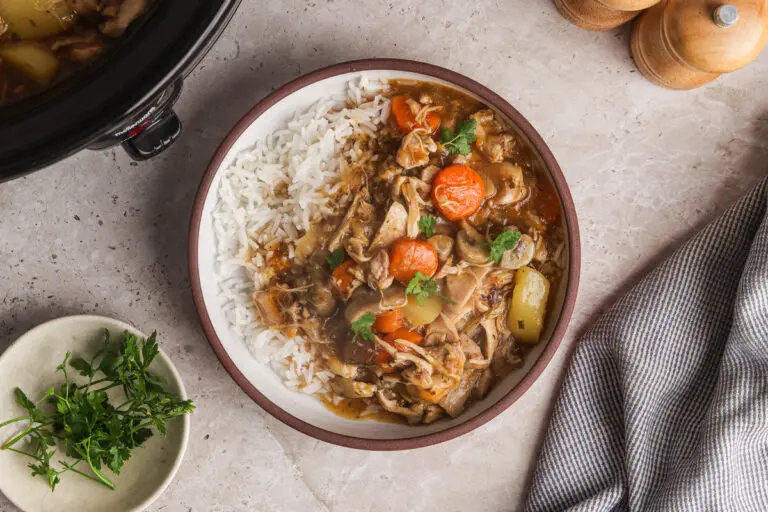
- Chicken Casserole: Layer chicken, rice, and vegetables in a slow cooker with stock for an all-in-one meal.
Storing and Reheating Slow-Cooked Meals
Proper storage and reheating are crucial for maintaining the quality and safety of your prepared dishes. Allow meals to cool before transferring them to airtight containers. Refrigerate for up to four days or freeze for up to three months. When reheating, use a stovetop or microwave, ensuring food reaches an internal temperature of 165°F (74°C) for safety.
For more on keeping your slow-cooked meals safe and delicious, revisit the low and slow cooking safety resource.
Seasonal and Regional Variations
Low and slow meal prep isn’t limited to one style or season. In the winter, hearty stews and braises warm you up, while in summer, smoked meats and vegetables shine at outdoor gatherings. If you’re interested in adapting your approach for different times of year, see the guide on summer smoking challenges for tips on managing heat and smoke in warmer weather.
Regional cuisines, such as Texas barbecue and Carolina pulled pork, offer endless inspiration for slow-cooked batch meals. Try incorporating local spices, sauces, and sides to keep your weekly menu exciting and diverse.
Frequently Asked Questions
What are the best proteins for low and slow meal prep?
Beef brisket, pork shoulder, chicken thighs, and turkey legs are all excellent choices. These cuts benefit from extended cooking times, resulting in tender, flavorful meals that store well for later use.
Can I use a slow cooker for vegetarian or vegan meal prep?
Absolutely. Beans, lentils, root vegetables, and plant-based proteins like tofu or tempeh all respond well to slow cooking. The method enhances flavors and textures, making it easy to prepare satisfying vegetarian or vegan dishes in bulk.
How do I prevent overcooking when using low and slow methods?
Using a wireless meat thermometer helps monitor internal temperatures, especially for meats. For vegetables and grains, follow recommended cooking times and check for doneness periodically. Keeping an eye on moisture levels and stirring occasionally can also help prevent overcooking.
Conclusion
Embracing slow-cooked meal prep can transform your weekly routine, save time, and deliver consistently delicious results. With the right equipment, a bit of planning, and a willingness to experiment with flavors and ingredients, you can enjoy nutritious, home-cooked meals all week long. Whether you’re preparing classic barbecue, hearty stews, or plant-based dishes, the low and slow approach offers flexibility and unbeatable taste.
This article contains affiliate links. We may earn a commission at no extra cost to you.
This article contains affiliate links. We may earn a commission at no extra cost to you.
This article contains affiliate links. We may earn a commission at no extra cost to you.


