

Cooking at low temperatures for extended periods is a time-honored technique that transforms tough cuts of meat into tender, flavorful dishes. This method, often referred to as “low and slow,” is favored by barbecue enthusiasts, home cooks, and professional chefs alike. By gently applying heat over several hours, connective tissues break down, flavors develop, and the result is a meal that’s both satisfying and memorable.
This low and slow temperature guide is designed to help you master the essentials of this cooking style. Whether you’re using a smoker, oven, or slow cooker, understanding the right temperatures and techniques is key to achieving perfect results. If you’re new to these methods or want to refine your approach, you’ll find practical tips and temperature ranges to make your next meal a success.
For those looking to dive deeper into the basics, what is low and slow cooking offers a helpful overview of the origins and benefits of this approach. Let’s explore how to put these principles into practice for consistently delicious results.
Why Low and Slow Works: The Science Behind the Method
The secret to the success of low-temperature, slow-cooked dishes lies in the transformation of tough proteins and connective tissues. Collagen, a key component in cuts like brisket and pork shoulder, requires gentle heat over time to convert into gelatin. This process not only tenderizes the meat but also enriches the sauce or juices with a silky texture.
Cooking at higher temperatures can cause proteins to seize up and dry out, resulting in a chewy or tough texture. By keeping the heat low, usually between 200°F and 275°F (93°C to 135°C), you allow these changes to happen gradually, preserving moisture and maximizing flavor. This is why barbecue pitmasters and slow-cooking aficionados swear by this approach for ribs, roasts, and stews.
Essential Equipment for Low and Slow Cooking
While you can achieve great results with basic kitchen tools, certain equipment can make the process easier and more consistent. Here are a few essentials:
- Smoker or Grill: Ideal for barbecue, these allow you to maintain steady, low heat and infuse food with smoky flavor.
- Oven: A reliable choice for braises and roasts, especially when outdoor cooking isn’t an option.
- Slow Cooker: Perfect for set-it-and-forget-it meals like stews and pulled pork.
- Meat Thermometer: Accurate temperature monitoring is crucial for food safety and perfect doneness.
For a deeper dive into technique, check out these low and slow smoking tips to help you get the most out of your smoker or grill.
Temperature Ranges for Popular Cuts
Each type of meat benefits from specific temperature ranges and cooking times. Here’s a quick reference to help you plan your next meal:
| Meat | Ideal Temp (°F) | Approx. Time | Target Internal Temp |
|---|---|---|---|
| Brisket | 225–250 | 10–16 hrs | 195–203 |
| Pork Shoulder | 225–250 | 8–12 hrs | 195–205 |
| Ribs | 225–250 | 5–6 hrs | 190–203 |
| Beef Chuck Roast | 250–275 | 4–6 hrs | 200–205 |
| Poultry (Whole) | 225–250 | 3–5 hrs | 165 (breast) |
Always use a meat thermometer to check internal temperatures for safety and quality.
Tips for Maintaining Consistent Low Temperatures
One of the biggest challenges with slow cooking is keeping the heat steady over several hours. Here are some practical tips to help you stay on track:
- Preheat Your Equipment: Allow your smoker, grill, or oven to come up to the desired temperature before adding food.
- Use a Water Pan: Placing a pan of water in your smoker or grill helps regulate temperature and adds moisture.
- Monitor with a Thermometer: Invest in a reliable wireless meat thermometer for real-time temperature tracking.
- Limit Lid Openings: Every time you open the lid, heat escapes and extends cooking time.
- Adjust Vents Carefully: On smokers and grills, use vents to fine-tune airflow and control heat.
For more step-by-step advice, see how to cook low and slow for a detailed walkthrough of the process.
Best Cuts and Dishes for Slow Cooking
Not every cut of meat benefits from extended low-temperature cooking, but those with more connective tissue and fat shine with this method. Here are some favorites:
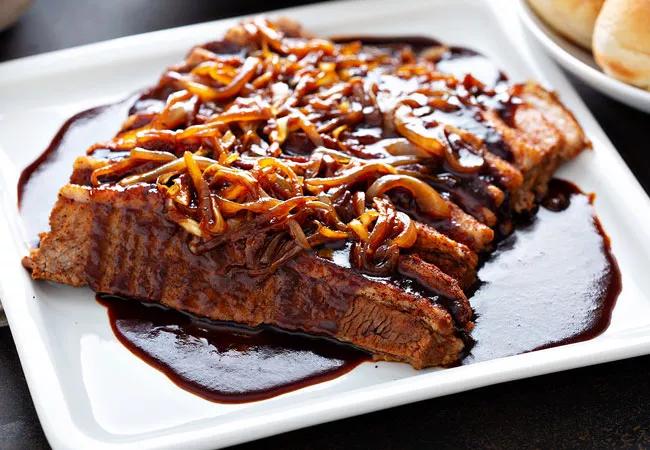
- Beef Brisket: The classic barbecue staple, known for its rich flavor and melt-in-your-mouth texture.
- Pork Shoulder (Boston Butt): Ideal for pulled pork, carnitas, and other shredded dishes.
- Short Ribs: Braised or smoked, these become incredibly tender and flavorful.
- Chuck Roast: Perfect for pot roast or shredded beef sandwiches.
- Chicken Thighs and Legs: Stay juicy and flavorful with slow roasting or braising.
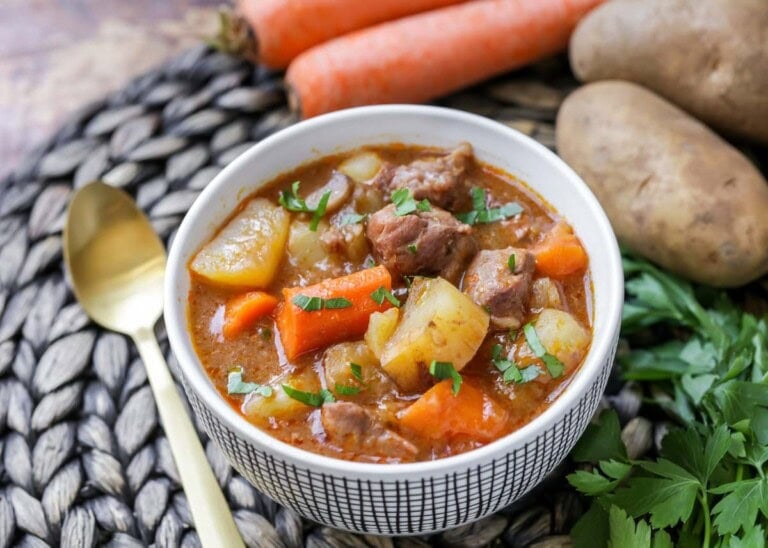
Vegetables like carrots, onions, and potatoes also benefit from slow cooking, absorbing flavors and developing a satisfying texture.
Flavor Boosters: Rubs, Marinades, and Smoke
Slow cooking is the perfect opportunity to layer in flavor. Here’s how you can elevate your dishes:
- Dry Rubs: A blend of spices and herbs applied before cooking adds depth and complexity.
- Marinades: Soaking meat in a seasoned liquid before cooking can tenderize and infuse flavor.
- Wood Smoke: Using different woods (like hickory, apple, or mesquite) imparts unique smoky notes to your food.
Experiment with combinations to find your signature flavor profile. For more inspiration, take a look at this comprehensive slow cooking resource that covers everything from wood selection to advanced techniques.
Common Mistakes and How to Avoid Them
Even experienced cooks can run into trouble with low-temperature methods. Here are some pitfalls to watch for:
- Rushing the Process: Patience is key. Trying to speed things up with higher heat can ruin texture and flavor.
- Skipping Rest Time: Letting meat rest after cooking allows juices to redistribute for better results.
- Neglecting Temperature Checks: Always use a thermometer to avoid under- or overcooking.
- Not Accounting for Carryover Cooking: Large cuts continue to cook after being removed from heat, so plan accordingly.
By keeping these tips in mind, you’ll be well on your way to mastering the art of slow-cooked meals.
FAQ: Low and Slow Cooking Essentials
What is the ideal temperature range for slow cooking meat?
Most slow-cooked meats do best between 200°F and 275°F (93°C to 135°C). This range allows for gradual breakdown of connective tissues without drying out the meat.
How do I know when my meat is done?
Use a reliable meat thermometer to check the internal temperature. For example, brisket and pork shoulder are typically ready when they reach 195–205°F (90–96°C) internally and feel tender when probed.
Can I use the low and slow method for vegetables?
Absolutely. Root vegetables like carrots, potatoes, and onions become tender and flavorful when cooked slowly, especially in stews or braises alongside meat.
Do I need special equipment to cook low and slow?
While a smoker or slow cooker makes things easier, you can use a standard oven or covered grill as long as you can maintain a consistent low temperature and monitor doneness.
Mastering the low and slow temperature guide approach opens up a world of delicious possibilities, from perfectly smoked brisket to hearty stews. With the right temperatures, patience, and a few essential tools, you’ll be able to create meals that are both comforting and impressive.
This article contains affiliate links. We may earn a commission at no extra cost to you.


