

Cooking with gentle, sustained heat is a time-honored approach that brings out deep flavors, tender textures, and nutritional benefits in a wide range of dishes. Whether you’re slow-roasting meats, simmering stews, or smoking barbecue, understanding the principles and techniques behind low heat cooking methods can elevate your home cooking and help you achieve delicious, consistent results. This article explores the most popular approaches, their advantages, and practical tips for getting started.
Before diving into the core techniques, it’s important to consider food safety and best practices. For a comprehensive overview of how to keep your meals safe and delicious when using gentle heat, see low and slow cooking safety.
Why Choose Gentle Cooking Approaches?
Using lower temperatures over longer periods offers several key benefits:
- Enhanced flavor development: Slow cooking allows complex flavors to develop and meld, especially in tough cuts of meat and hearty vegetables.
- Improved texture: Collagen in meats breaks down gradually, resulting in tender, juicy dishes that are hard to replicate with high-heat methods.
- Better nutrient retention: Lower temperatures can help preserve vitamins and minerals that are sensitive to heat.
- Convenience: Many gentle cooking techniques are hands-off, freeing you up for other tasks while your meal cooks.
These advantages make slow and gentle cooking a favorite among home cooks and professionals alike, especially for recipes that require patience and attention to detail.
Popular Low Temperature Cooking Techniques
There are several well-established ways to cook food gently. Each method brings its own unique qualities to the table, and the best choice often depends on the ingredients and desired results.
Slow Roasting
Slow roasting involves cooking food in an oven at temperatures typically between 225°F and 325°F (107°C–163°C). This approach is ideal for large cuts of meat, such as pork shoulder, brisket, or whole poultry. The extended cooking time allows fat to render and connective tissue to break down, producing moist, flavorful results.
For those interested in regional barbecue traditions, exploring texas style low and slow methods can provide inspiration and practical tips for mastering this technique.
Braising and Stewing
Braising and stewing are classic approaches that combine gentle heat with moisture. In braising, food is first seared at high heat and then cooked slowly in a small amount of liquid, often in a covered pot. Stewing uses more liquid and smaller pieces of food. Both methods are perfect for tough cuts of meat, beans, and root vegetables, resulting in dishes that are rich, hearty, and deeply satisfying.
Smoking and Barbecue
Smoking is a time-intensive process where food is cooked at low temperatures (usually 180°F–250°F or 82°C–121°C) in the presence of wood smoke. This technique infuses food with complex smoky flavors and is central to many barbecue traditions. If you’re looking to add more smoky notes to your meals, check out this guide on adding smoke flavor for creative ideas.
Slow Cookers and Electric Appliances
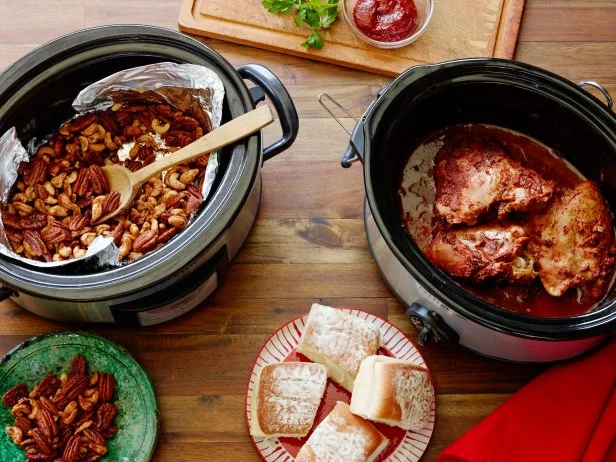
Modern kitchen gadgets like slow cookers and multicookers have made low temperature cooking more accessible than ever. These appliances maintain a steady, gentle heat, allowing you to prepare soups, stews, and braised dishes with minimal effort. Simply add your ingredients, set the timer, and let the machine do the work.
Tips for Success with Gentle Heat Cooking
Mastering these approaches requires a bit of patience and attention to detail. Here are some practical tips to help you get the best results:
- Use a thermometer: Monitoring internal temperatures is crucial for both safety and quality. A wireless meat thermometer can help ensure your food is cooked perfectly every time.
- Don’t rush the process: The magic of these methods comes from time. Allow enough hours for tough cuts to become tender and flavors to develop fully.
- Choose the right equipment: Ovens, slow cookers, pellet smokers, and Dutch ovens all have their place. Select the tool that fits your recipe and kitchen setup.
- Season early: For best flavor, season meats and vegetables before cooking. Marinades and spice rubs can penetrate more deeply during long, slow cooking.
- Keep the lid on: When braising or stewing, resist the urge to lift the lid frequently. This helps maintain a steady temperature and prevents moisture loss.
If you’re cooking outdoors or in challenging weather, you might find these tips on cold weather low and slow cooking helpful for maintaining consistent heat.
Choosing the Right Ingredients
Not all foods are suited for gentle heat. Here’s what works best:
- Tough cuts of meat: Brisket, pork shoulder, chuck roast, and ribs become meltingly tender with slow cooking.
- Root vegetables: Carrots, potatoes, parsnips, and beets hold up well and absorb flavors beautifully.
- Beans and legumes: Dried beans benefit from slow simmering, resulting in creamy textures and rich taste.
- Whole grains: Brown rice, barley, and farro develop a pleasant chew and nutty flavor when cooked gently.
Experimenting with different ingredients can help you discover new favorites and expand your repertoire.
Common Challenges and How to Overcome Them
While gentle heat techniques are rewarding, they can present some challenges:
- Maintaining consistent temperature: Fluctuations can affect results, especially when smoking or barbecuing outdoors. Insulated grills or pellet smokers can help, as can monitoring with a reliable thermometer.
- Dryness: Lean cuts may dry out if cooked too long. Adding broth or basting periodically can help retain moisture.
- Timing: These methods require planning. Start early, and remember that resting meat after cooking is just as important for juicy results.
For tips on managing heat and smoke during the summer, see the article on summer smoking challenges.
Regional Variations and Inspiration
Slow and gentle cooking is at the heart of many regional cuisines. From Carolina barbecue to Texas brisket, each tradition brings its own flavors and techniques. If you’re interested in exploring more, the guide to carolina bbq slow cooking offers insights into one of America’s most beloved approaches.
FAQs About Cooking with Gentle Heat
What are the best cuts of meat for slow and gentle cooking?
Cuts with more connective tissue and fat, such as brisket, pork shoulder, chuck roast, and ribs, are ideal. These cuts become tender and flavorful when cooked slowly at low temperatures.
How can I add smoky flavor without a smoker?
There are several ways to introduce smoke flavor, including using liquid smoke, smoked salts, or wood chips in a covered grill. For more ideas, visit this guide on adding smoke flavor.
Is it safe to leave a slow cooker unattended?
Most modern slow cookers are designed for unattended use, but always follow manufacturer instructions and basic safety guidelines. Make sure the appliance is on a stable surface and away from flammable materials. For more on safety, refer to low and slow cooking safety.
Why does my meat sometimes turn out dry?
Dryness can result from using lean cuts, overcooking, or not enough moisture. Choose cuts with more fat and connective tissue, monitor internal temperatures, and add broth or sauce as needed.
Can I use these techniques for vegetarian dishes?
Absolutely. Root vegetables, beans, and whole grains all benefit from slow, gentle cooking, resulting in rich, satisfying vegetarian meals.
Mastering low heat cooking methods opens up a world of flavor and texture possibilities. With patience, the right equipment, and a bit of practice, you can create meals that are both comforting and impressive, whether you’re preparing a weeknight dinner or a special occasion feast.
This article contains affiliate links. We may earn a commission at no extra cost to you.
This article contains affiliate links. We may earn a commission at no extra cost to you.
This article contains affiliate links. We may earn a commission at no extra cost to you.


