

Cooking with sugar, especially in barbecue rubs and slow-cooked dishes, can be a double-edged sword. While sugar adds flavor, color, and a beautiful caramelized crust, it can also lead to burnt, bitter results if not managed carefully. Understanding the causes and solutions for sugar burning issues is essential for anyone who enjoys grilling, smoking, or slow-cooking meats and vegetables.
Whether you’re a backyard pitmaster or just starting out, knowing how sugar behaves under heat will help you avoid common pitfalls. This article explores the science behind sugar caramelization, practical tips for preventing burnt flavors, and the best strategies for using sugar in your cooking. If you’re interested in the role of sugar in rubs, you might also find our guide on do rubs need sugar helpful for deeper insight.
Understanding Caramelization and Sugar Burn
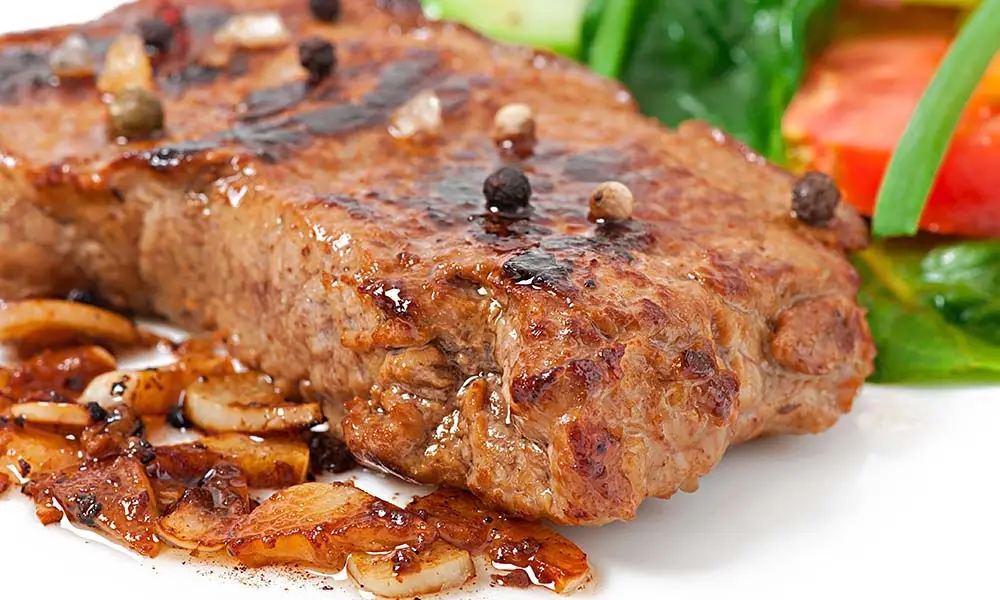
Sugar undergoes a process called caramelization when exposed to heat. This is what gives grilled and smoked foods their appealing golden-brown crust and sweet, complex flavors. However, sugar has a relatively low burning point—typically around 350°F (175°C) for table sugar (sucrose). When temperatures exceed this, sugar quickly transitions from caramelized to burnt, resulting in a bitter, acrid taste and a blackened appearance.
Different types of sugar (white, brown, honey, molasses) have slightly different burning points, but all are susceptible to scorching if not monitored. In low-and-slow cooking, such as with pellet smokers or slow cookers, the risk is lower but still present—especially if sugar is applied directly to the surface of meats or vegetables.
Common Causes of Sugar Scorching in Cooking
Several factors can contribute to sugar burning issues during grilling, smoking, or roasting:
- High Direct Heat: Placing food with sugar-rich rubs directly over open flames or high heat zones can cause rapid burning.
- Extended Cooking Times: Even at lower temperatures, prolonged exposure can eventually lead to burnt sugar, especially on thinner cuts or edges.
- Excess Sugar in Rubs: Overly sweet rubs increase the risk of scorching, particularly on the surface of meats.
- Uneven Heat Distribution: Hot spots in grills or smokers can cause localized burning, even if the overall temperature is within a safe range.
- Sticky Sauces Applied Too Early: Sauces with high sugar content should be added near the end of cooking to prevent burning.
For those experimenting with different rubs, our resource on binder options for rubs offers tips on how to help seasonings adhere without relying solely on sugar.

How to Prevent Burnt Sugar Flavors
Preventing sugar burning issues is about controlling temperature, timing, and technique. Here are some effective strategies:
- Use Indirect Heat: Cook foods with sugar-based rubs away from direct flames. Indirect heat zones or offset smoking help maintain lower, more consistent temperatures.
- Monitor Temperatures Closely: Use a reliable thermometer to ensure grill or smoker temps stay below 350°F (175°C) when sugar is present. A wireless meat thermometer can be invaluable for this purpose.
- Apply Sauces Late: Brush on sugary sauces during the final 10–15 minutes of cooking to avoid burning.
- Balance Your Rubs: Mix sugar with salt, spices, and other ingredients to dilute its concentration on the surface.
- Rotate and Move Food: Shift items around the grill or smoker to avoid hot spots and ensure even cooking.
- Choose the Right Sugar: Brown sugar and honey burn slightly slower than white sugar due to their moisture and mineral content, but all sugars require careful handling.
For more on safe cooking practices, see our article on avoiding undercooked meat to ensure your food is both safe and delicious.
Choosing the Best Cooking Methods for Sugar-Based Rubs
Low-and-slow techniques are generally safer for recipes containing sugar. Pellet smokers, charcoal grills with indirect setups, and slow cookers allow for better temperature control and reduce the risk of burnt sugar. If you’re interested in mastering these methods, check out this guide to becoming a low-and-slow charcoal BBQ pitmaster for expert tips.
When using a slow cooker, sugar is less likely to burn due to the moist environment and lower temperatures. However, it’s still important to avoid letting sugary sauces pool at the bottom, as this can create hot spots and caramelized patches.
Tips for Using Sugar in Vegetable and Meat Rubs
Adding sugar to rubs can enhance both meats and vegetables, but moderation and technique are key. Here’s how to get the best results:
- Apply Thinly: Use a light hand when sprinkling sugar-based rubs to avoid thick, burn-prone layers.
- Combine with Other Flavors: Pair sugar with robust spices, herbs, and smoke for a balanced profile. For inspiration, see our post on smoke seasoning for vegetables.
- Rest Before Cooking: Let rubs sit on the food for 15–30 minutes to allow flavors to penetrate, but don’t let sugar draw out too much moisture, which can affect texture.
- Adjust for Cooking Method: Use less sugar for high-heat grilling, and more for low-and-slow smoking or roasting.
Remember, the goal is to achieve a flavorful crust without crossing the line into burnt territory. Testing different ratios and cooking times will help you find the sweet spot for your favorite recipes.
Frequently Asked Questions
Why does sugar burn so easily on the grill?
Sugar has a relatively low burning point compared to other rub ingredients. When exposed to direct, high heat, it quickly transitions from caramelized to burnt, resulting in a bitter taste and blackened appearance. Using indirect heat and monitoring temperatures helps prevent this problem.
Can I use honey or brown sugar instead of white sugar in rubs?
Yes, both honey and brown sugar can be used in rubs. Brown sugar contains molasses, which gives it a slightly higher burning point and a richer flavor. Honey also burns less quickly due to its moisture content, but both should still be used with care to avoid scorching.
How can I fix burnt sugar flavors in my dish?
If you notice burnt sugar flavors, try removing the burnt crust or sauce as soon as possible. For future cooks, lower the heat, apply sauces later, and use less sugar in your rubs. Balancing with acidic or spicy ingredients can also help mask minor burnt notes.
Conclusion
Managing sugar burning issues is all about understanding how sugar reacts to heat and adapting your cooking methods accordingly. By using indirect heat, monitoring temperatures, and applying sauces at the right time, you can enjoy the benefits of caramelized flavors without the drawbacks of burnt sugar. Experiment with different sugars, rubs, and cooking techniques to find what works best for your style. For those planning long cooks, our guide on food handling for long cooks offers additional safety and flavor tips. With these strategies, you’ll be able to create delicious, perfectly caramelized dishes every time.
This article contains affiliate links. We may earn a commission at no extra cost to you.
This article contains affiliate links. We may earn a commission at no extra cost to you.
This article contains affiliate links. We may earn a commission at no extra cost to you.


