
When to Flip Meat in Low and Slow
Written By James Morgan
Mastering the art of low and slow cooking is all about patience, technique, and understanding how heat interacts with your food. One of the most common questions among barbecue enthusiasts and home cooks is when to flip meat in low and slow sessions. Flipping at the right time can mean the difference between a perfectly cooked brisket and a dry, uneven roast. This article explores the science and best practices behind flipping meat during slow cooking, so you can achieve tender, flavorful results every time.
Whether you’re using a smoker, grill, or slow cooker, knowing the right moment to turn your protein is crucial. We’ll cover the factors that influence flipping, the types of meat that benefit most, and how to avoid common mistakes. For those interested in broader techniques, you might also want to check out do you need to rotate meat for a deeper dive into rotation versus flipping.
Understanding Low and Slow Cooking
Low and slow cooking refers to preparing food at lower temperatures for extended periods. This method is especially popular for tougher cuts of meat like brisket, pork shoulder, and ribs. The gentle heat breaks down connective tissue, resulting in juicy, tender dishes. However, because the process is gradual, every action—including flipping—can impact the final outcome.
Unlike high-heat grilling, where flipping is frequent to prevent burning, low and slow methods are more forgiving. Still, the timing and frequency of turning your meat matter for even cooking and bark development.
Why Flipping Matters in Slow Cooking
Flipping meat during a long cook helps ensure even exposure to heat and smoke. In some setups, such as offset smokers or charcoal grills, temperature can vary across the cooking surface. Turning your protein at the right intervals can help compensate for these hot spots, preventing one side from drying out or overcooking.
Additionally, flipping can influence the formation of bark—the flavorful crust that develops on smoked meats. For certain recipes, minimal flipping is preferred to allow a thick bark to form undisturbed. For others, occasional turning helps baste the meat in its own juices, enhancing flavor and moisture.
Key Factors That Determine When to Flip
There’s no universal answer for when to flip meat in low and slow cooking. Several factors come into play:
- Type of Meat: Large cuts like brisket or pork butt often require less flipping, while smaller items like chicken pieces may benefit from more frequent turns.
- Cooking Equipment: Smokers, grills, and slow cookers distribute heat differently. Offset smokers, for example, may have uneven heat zones, making occasional flipping helpful.
- Desired Outcome: If you want a thick bark, limit flipping. If moisture retention and even cooking are priorities, plan to turn the meat once or twice.
- Juices and Marinades: Some cooks flip to redistribute marinades or juices, especially in slow cookers or braising situations.
Best Practices for Flipping Meat During Low and Slow Sessions
To get the most out of your slow-cooked meats, follow these guidelines:
- Flip Once, If At All: For large cuts like brisket or pork shoulder, flipping once about halfway through the cook is often sufficient. This helps even out any temperature differences and ensures both sides develop flavor.
- Monitor Internal Temperature: Use a wireless meat thermometer to track doneness without opening the lid too often. Every time you open your smoker or grill, you lose heat and smoke, which can extend cooking time.
- Consider the Bark: If a thick, crunchy bark is your goal, minimize flipping. Let the surface remain undisturbed for most of the cook.
- Account for Hot Spots: If your cooker has uneven heat, a single flip or gentle rotation can help prevent burning or drying out one side.
- Rest After Cooking: Once your meat reaches the desired temperature, let it rest before slicing. This allows juices to redistribute, resulting in a more tender bite.
Flipping Guidelines by Meat Type
Different meats respond differently to flipping during slow cooking. Here’s a quick reference for some popular choices:
| Meat Type | Recommended Flipping Frequency | Notes |
|---|---|---|
| Brisket | Once, halfway through | Helps even out bark and moisture |
| Pork Shoulder | Once or not at all | Minimal flipping preserves bark |
| Ribs | Once, after 2-3 hours | Prevents one side from drying out |
| Chicken Pieces | Every 1-2 hours | Ensures even cooking and crispy skin |
| Roasts (beef/pork) | Once, halfway through | Promotes uniform doneness |
Common Mistakes to Avoid
While flipping can be beneficial, overdoing it can cause problems. Here are some pitfalls to watch for:
- Flipping Too Often: Constantly turning your meat can disrupt bark formation and cause heat loss, leading to longer cook times.
- Opening the Lid Frequently: Each time you check or flip, you let out precious heat and smoke. Trust your thermometer and resist the urge to peek.
- Not Accounting for Cooker Design: Some smokers and grills have very even heat distribution, making flipping less necessary. Know your equipment and adjust accordingly.
For more tips on maintaining optimal conditions, see our guide on clean burning fire setup to ensure your heat source is consistent throughout the cook.

Expert Tips for Better Results
To take your low and slow cooking to the next level, consider these additional strategies:
- Use Drip Pans: Placing a pan under your meat can catch juices and prevent flare-ups, especially on grills.
- Spritz for Moisture: Lightly spraying your meat with apple juice or broth every few hours can help maintain surface moisture without needing to flip as often.
- Choose the Right Wood: For smokers, the type of wood can impact flavor and bark development. Experiment with different woods for unique results.
- Understand the Stall: Large cuts may hit a temperature plateau known as the stall. For advice on overcoming this, see our article on stall recovery techniques.
If you’re considering upgrading your equipment, learning about different smoker types can also help. Check out this comprehensive guide to offset smokers for more insights.
Frequently Asked Questions
Should You Flip Meat in a Slow Cooker?
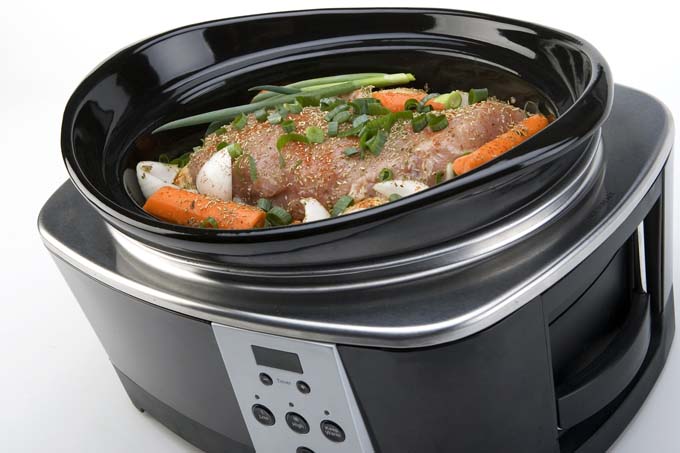
In most slow cooker recipes, flipping is not necessary. The moist environment and even heat distribution mean your protein will cook uniformly. However, for larger roasts, a single flip halfway through can help ensure even texture.
Does Flipping Affect Smoke Penetration?
Flipping can help both sides of your meat absorb smoke flavor, especially in offset smokers where airflow may be uneven. However, too much flipping can disturb bark formation, so limit turns to once or twice during the cook.
How Do You Know When to Flip Without Losing Heat?
Use a wireless thermometer to monitor internal temperature. Plan to flip at the halfway point or when you notice uneven color development. Minimize lid openings to retain heat and smoke.
Conclusion
Knowing when to flip meat in low and slow cooking is a blend of science and experience. By considering your equipment, the type of meat, and your desired results, you can make informed decisions that lead to delicious, tender dishes. Remember to flip sparingly, monitor temperatures, and let your cooker do most of the work. With practice, you’ll develop an instinct for the perfect turn—and your barbecue will be better for it.
This article contains affiliate links. We may earn a commission at no extra cost to you.
This article contains affiliate links. We may earn a commission at no extra cost to you.
This article contains affiliate links. We may earn a commission at no extra cost to you.


