
Vertical Smoker Low and Slow Guide
Written By James Morgan
Mastering the art of low and slow cooking with a vertical smoker can transform your backyard barbecue into a true culinary experience. Whether you’re a seasoned pitmaster or just starting out, understanding the nuances of temperature control, smoke management, and meat preparation is essential for achieving tender, flavorful results. This guide breaks down the essentials for using a vertical smoker to achieve mouthwatering, slow-cooked dishes every time.
Vertical smokers are popular for their efficient use of space and ability to maintain steady, low temperatures over long periods. They’re ideal for everything from brisket and pork shoulder to fish and vegetables. If you’re still deciding which smoker is best for your needs, check out how to choose a smoker for low and slow for expert advice on selecting the right model.
Why Choose Vertical Smokers for Low and Slow Cooking?
Vertical smokers are designed to make the most of low and slow techniques. Their upright design allows heat and smoke to rise naturally, enveloping your food for even cooking. The separation of the firebox or heat source from the cooking chamber helps maintain a consistent temperature, which is crucial for slow smoking.
- Efficient heat distribution: The vertical layout promotes uniform heat and smoke circulation.
- Space-saving design: Multiple racks allow you to smoke several cuts of meat or different foods simultaneously.
- Temperature control: Dampers and water pans help regulate internal heat and humidity, preventing meat from drying out.
For those interested in expanding their repertoire beyond meat, vertical smokers are also excellent for low and slow fish smoking and even vegetables.
Getting Started: Setting Up Your Vertical Smoker
Before you begin, familiarize yourself with the parts of your smoker: the firebox or burner, water pan, racks, and vents. Proper setup is key to a successful smoke session.
- Clean your smoker: Remove any old ash or residue to prevent off-flavors.
- Fill the water pan: Water helps stabilize the temperature and adds moisture to the cooking environment.
- Add wood chips or chunks: Choose hardwoods like hickory, oak, or fruit woods for the best flavor.
- Preheat the smoker: Aim for a steady temperature between 225°F and 250°F (107°C–121°C).
- Adjust vents: Use the intake and exhaust vents to control airflow and temperature.

Essential Tips for Low and Slow Smoking Success
Patience and precision are the hallmarks of great barbecue. Here are some proven strategies to help you get the most from your vertical smoker:
- Monitor temperature closely: Use a reliable thermometer to keep track of both the smoker and meat temperatures. Fluctuations can lead to uneven cooking.
- Don’t rush the process: Low and slow means cooking at lower temperatures for extended periods. This breaks down connective tissue and renders fat, resulting in juicy, tender meat.
- Choose the right cuts: Tougher cuts like brisket, pork shoulder, and beef ribs benefit most from slow smoking. For more details, see the low and slow beef ribs guide.
- Maintain moisture: Refill the water pan as needed and consider spritzing your meat with apple juice or broth to prevent drying.
- Let it rest: After smoking, allow your meat to rest before slicing. This helps retain juices and improves texture.
Managing Smoke and Flavor Profiles
The type of wood you use and how you manage smoke can make a big difference in the final taste. Experiment with different hardwoods to find your preferred flavor profile. For a deeper, more aromatic smoke, try the dhungar method for infusing smoky flavor—a technique that can be adapted for meats and even vegetables.
Remember, too much smoke can overpower your food. Aim for a thin, blue smoke rather than thick, billowing clouds. This ensures a clean, balanced flavor without bitterness.
Popular Foods to Smoke Low and Slow
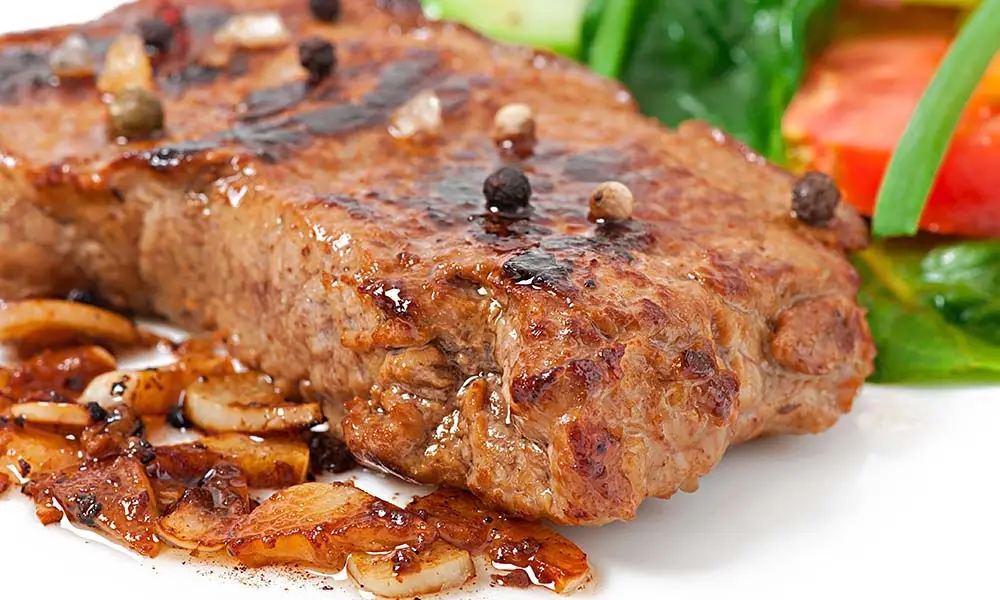
Vertical smokers are versatile and can handle a wide range of foods. Here are some favorites for slow smoking:
- Brisket: The classic barbecue staple, requiring long hours to reach peak tenderness.
- Pork shoulder: Ideal for pulled pork, this cut benefits from slow rendering of fat and collagen. For a detailed walkthrough, see the low and slow pork shoulder guide.
- Beef ribs: Rich and flavorful, these require patience but reward you with incredible texture.
- Fish and seafood: Delicate proteins like salmon and trout take on smoke beautifully at lower temperatures. Explore more in the low and slow fish smoking article.
- Vegetables: Try smoking mushrooms, peppers, or even potatoes for a smoky twist on classic sides. For inspiration, visit low and slow vegetable smoking.
Common Mistakes and How to Avoid Them
Even experienced grillers can run into issues when using a vertical smoker. Here are some pitfalls to watch for:
- Opening the door too often: Each time you check the food, heat and smoke escape, extending cooking time and causing temperature swings.
- Over-smoking: Too much wood or poor airflow can result in bitter, acrid flavors. Use wood sparingly and ensure proper ventilation.
- Neglecting temperature monitoring: Invest in a quality wireless thermometer to keep tabs on both chamber and meat temps without lifting the lid.
- Skipping the rest period: Cutting into meat too soon can cause juices to run out, leaving it dry.
Advanced Techniques for Vertical Smoker Enthusiasts
Once you’re comfortable with the basics, try these advanced tips to elevate your smoking game:
- Layer flavors: Apply rubs, marinades, or brines before smoking to add depth and complexity.
- Experiment with smoke sources: Mix different woods or add herbs and spices to the coals for unique aromas.
- Use the water pan creatively: Add beer, cider, or aromatics like citrus and herbs to the water pan for subtle flavor infusions.
- Try reverse searing: Smoke meat low and slow, then finish with a quick sear on a hot grill for a crisp exterior.
Frequently Asked Questions
How do I maintain a consistent temperature in my vertical smoker?
Keep an eye on your vents and adjust them to control airflow. Make sure the water pan is filled, and avoid opening the door unnecessarily. A wireless thermometer can help you monitor temperatures without losing heat.
What are the best woods to use for low and slow smoking?
Hardwoods like hickory, oak, apple, and cherry are popular choices. Each imparts a distinct flavor, so experiment to find what suits your taste. Avoid softwoods, as they can produce unpleasant flavors and excessive smoke.
Can I smoke vegetables and fish in a vertical smoker?
Absolutely. Vertical smokers are excellent for delicate foods like fish and vegetables. Use lower temperatures and shorter cooking times, and consider using a fine-mesh rack or foil to prevent smaller items from falling through.
Conclusion
Cooking low and slow with a vertical smoker is a rewarding process that yields delicious, tender results. By mastering temperature control, smoke management, and proper preparation, you’ll be able to create barbecue favorites that impress every time. Remember to experiment with different woods, cuts, and techniques to find your signature style. With patience and practice, your vertical smoker will become an indispensable tool for unforgettable meals.
This article contains affiliate links. We may earn a commission at no extra cost to you.


